16 Iconic 60s Makeup Looks
The 1960s was a decade of profound change, a vibrant explosion of youth culture, music, and fashion that shattered old conventions. Nowhere was this revolution more evident than in makeup. Gone were the demure, polished looks of the 1950s; in their place emerged an era of bold experimentation, graphic lines, and an almost doll-like innocence paired with rebellious self-expression. From the streets of swinging London to the runways of Paris, makeup became an art form, allowing women to transform their faces into canvases of iconic style. Join us as we journey back in time to celebrate 16 legendary 60s makeup looks that continue to inspire and captivate today.
The Revolutionary Twiggy Eye
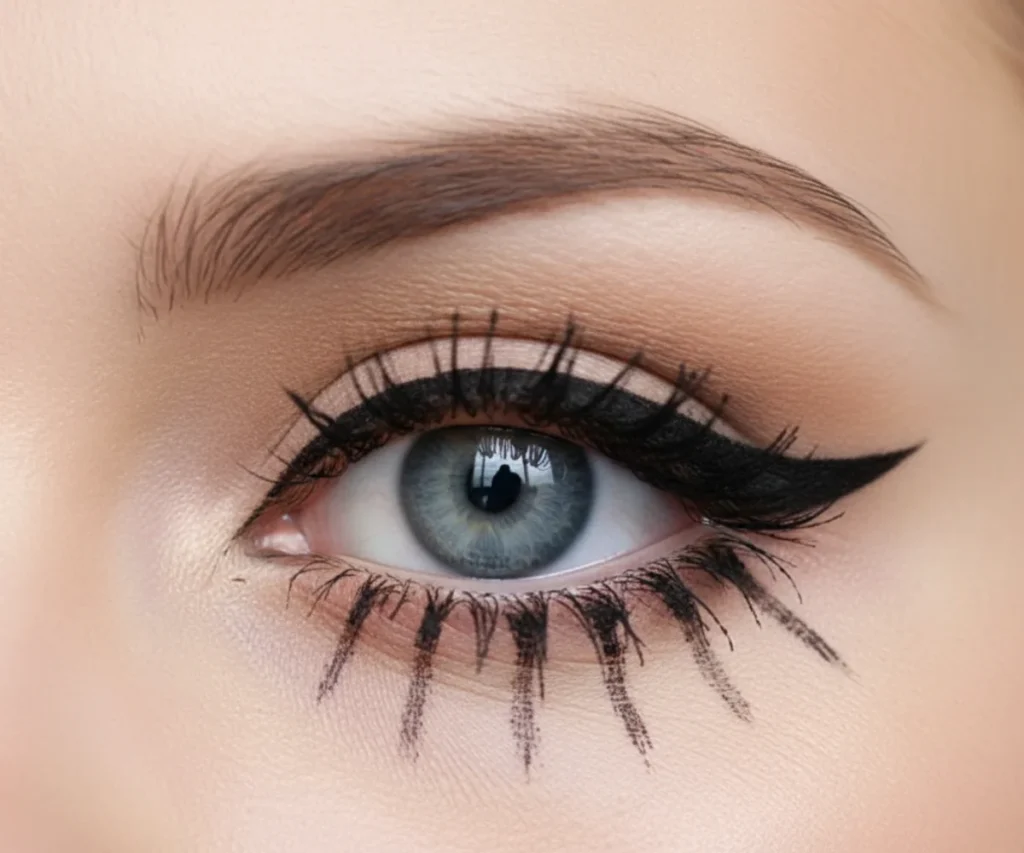
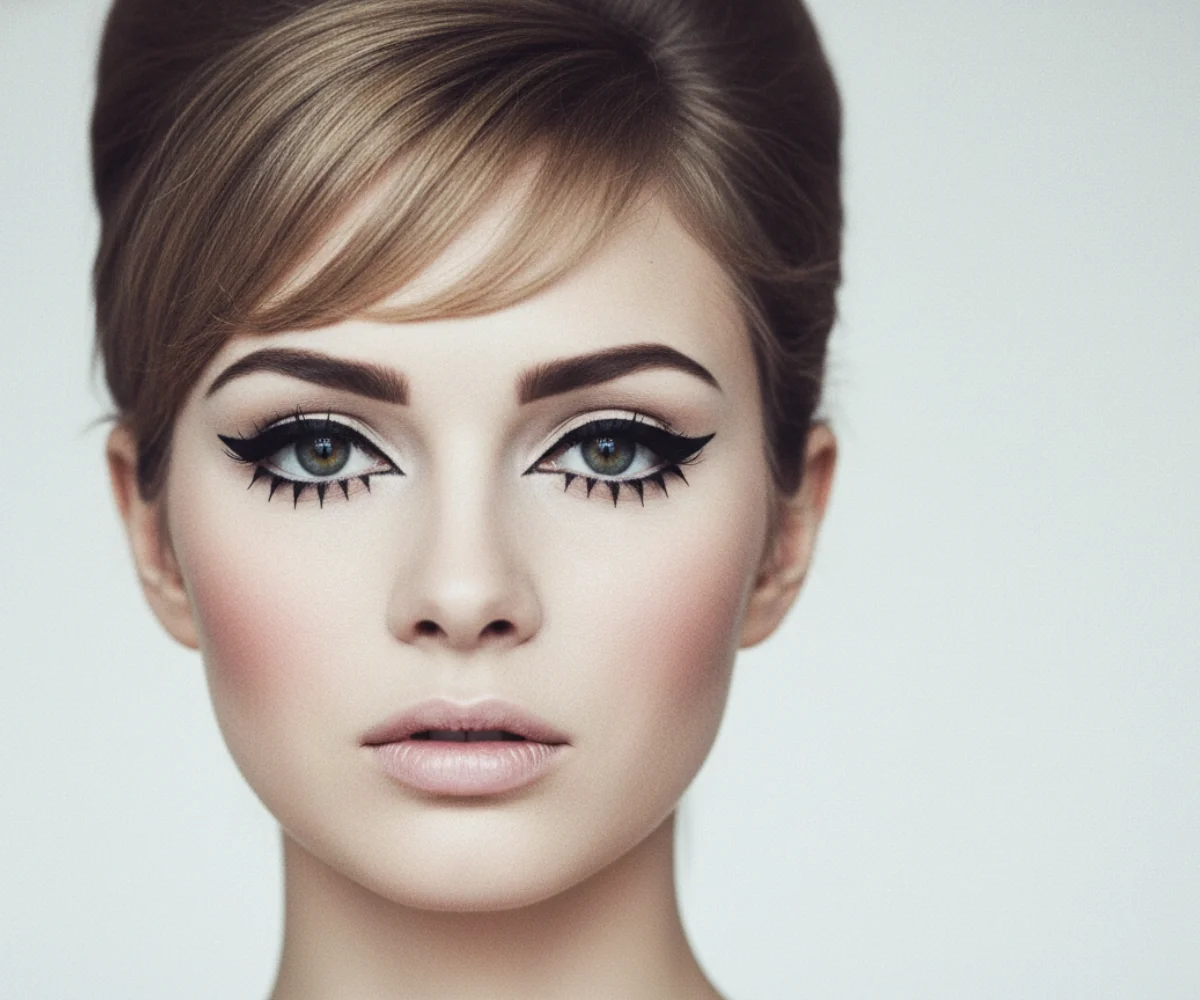
Perhaps the most quintessential 60s makeup statement, the Twiggy eye defined an entire generation. Named after the supermodel Lesley Hornby, known as Twiggy, this look was all about widening the eyes to create a doe-eyed, almost doll-like appearance. It featured a stark black cut crease, often drawn high above the natural crease, sometimes extending outwards for a winged effect. The most distinguishing feature was the meticulously drawn-on lower lashes—tiny, precise lines sketched beneath the natural lash line, giving the illusion of immense, wide-open eyes. The upper lashes were equally dramatic, usually achieved with multiple coats of mascara or even individual false lashes for maximum impact. This look was revolutionary in its simplicity and its powerful visual statement.
Color Suggestions
Traditionally, the Twiggy eye was executed in matte black for the liner and lashes, paired with a pale or neutral eyeshadow on the lid to make the graphic lines pop. However, variations could include deep brown or charcoal grey for a slightly softer take, or even a hint of pale blue or white eyeshadow on the lid to enhance the wide-eyed effect.
Application Tips
Achieving the Twiggy eye requires precision. Start with a neutral base. Using a fine-tipped liquid eyeliner or a gel liner with an angled brush, draw a distinct line in your crease, following the natural curve of your eye but slightly above it for a more dramatic effect. Then, carefully draw several short, individual lines from your lower lash line downwards, mimicking lashes. Finish with voluminous mascara on both upper and lower lashes, or apply strip false lashes on top.
Mod Graphic Eyeliner
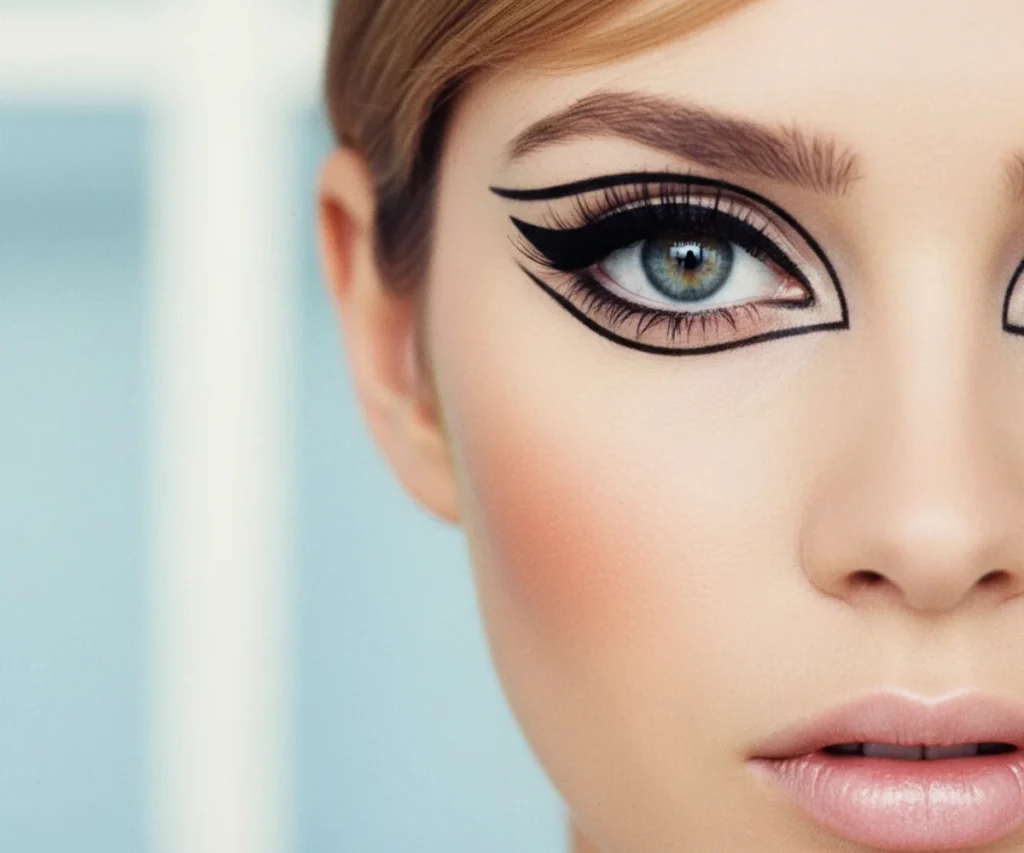
Beyond the Twiggy eye, graphic eyeliner was a hallmark of the mod movement, embodying a playful yet sophisticated approach to beauty. This style moved beyond a simple cat-eye, incorporating geometric shapes, floating lines, and sharp angles. Women embraced the artistry of the liner, often drawing a thick, winged line along the upper lash, sometimes paired with an additional line floating just above the crease, or even a ‘double wing’ with a gap between the two lines. The idea was to create visual interest and structure around the eye, turning it into a focal point. This allowed for endless creativity and personal expression, ranging from minimalist graphic lines to intricate patterns.
Fabric & Fit (Analogy to Makeup)
Just as mod fashion favored clean lines and bold silhouettes, mod graphic eyeliner emphasized sharpness and definition. The ‘fit’ was all about how the lines framed the eye, creating a tailored, almost architectural effect.
Styling Tips
Pair graphic liner with clean skin and a neutral lip to let the eyes truly shine. Hair was often sleek, in a bob or a short cut, or voluminous with a beehive, ensuring the eye makeup remained the undisputed star. A touch of white eyeliner on the waterline could further open up the eye and make the graphic elements pop.
The Innocent Doe Eye
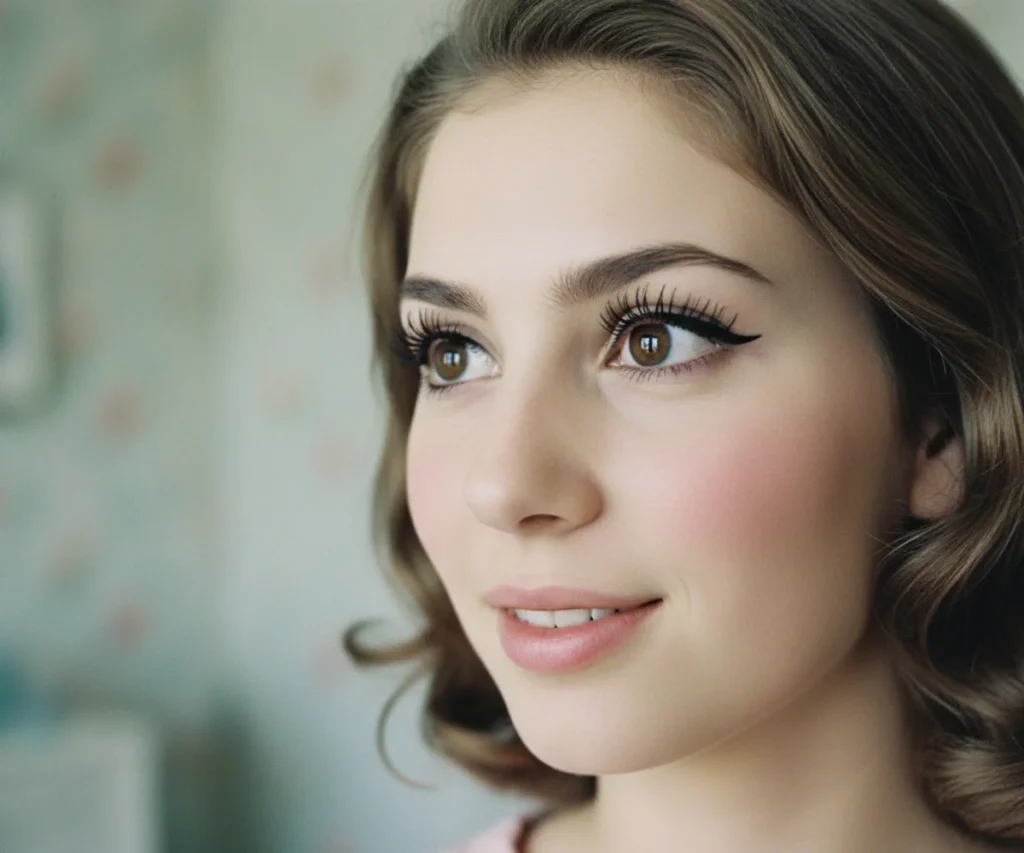
Before the full explosion of mod, the early 60s saw the popularity of the ‘doe eye’—a softer, more innocent interpretation of eye-widening techniques. This look aimed for a sweet, wide-eyed gaze, reminiscent of a Bambi-like innocence. It involved a precise, often thinner, winged eyeliner along the upper lash line, extending slightly outwards and upwards. Crucially, the focus was on long, curled upper lashes, often achieved with false lashes, but without the extreme lower lash definition seen in the Twiggy look. The lower lash line was kept softer, perhaps with a touch of mascara or a very subtle pencil line, ensuring the overall effect was more endearing than dramatic.
Color Suggestions
Black or deep brown eyeliner was standard. Eyeshadows were typically kept to soft, natural shades like taupe, cream, or light brown, or even just a wash of a pale, shimmery color to brighten the lid. Lips were often a natural pink or peach.
Styling Tips
To enhance the doe-eye effect, ensure your eyebrows are well-groomed but not overly dramatic. A subtle flush of blush on the apples of the cheeks and a natural lip color complement this gentle, feminine look perfectly. Hair was often styled in soft waves or elegant updos, completing the picture of refined grace.
Dramatic Cut Crease
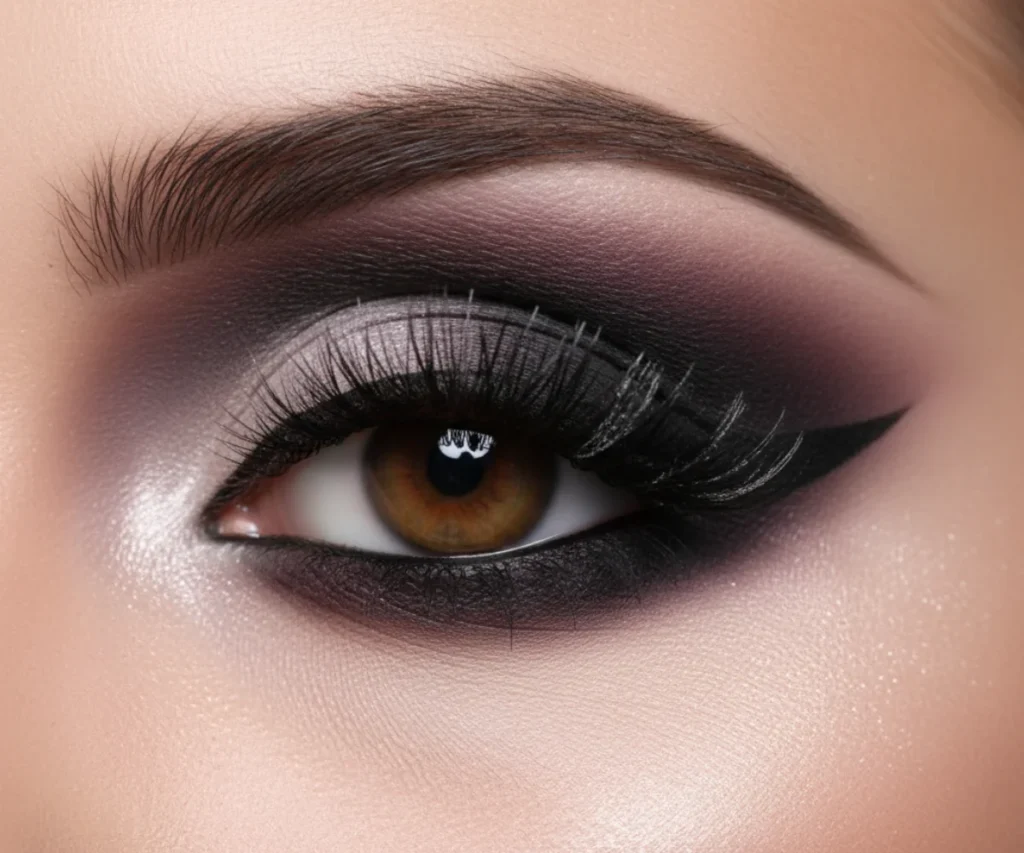
While the Twiggy eye introduced the cut crease, the broader 60s saw variations that were even more dramatic and pronounced. This version often involved a darker, more defined line in the crease, sometimes extending beyond the outer corner of the eye. Unlike Twiggy’s typically fine line, this dramatic cut crease could be thicker, bolder, and more deeply pigmented, almost creating a shadow within the eye socket itself. The space between the lash line and the crease was typically filled with a light, often matte, eyeshadow to create a stark contrast and make the eye appear larger and more open.
Application Tips
Use a matte black or deep brown eyeshadow for the crease line, applied with a thin, firm brush for precision. Blend the edges very slightly for a softer, yet still defined, look. A concealer or a pale eyeshadow base can be used on the lid for maximum impact before applying a light, contrasting shadow.
Pastel Power Eyes
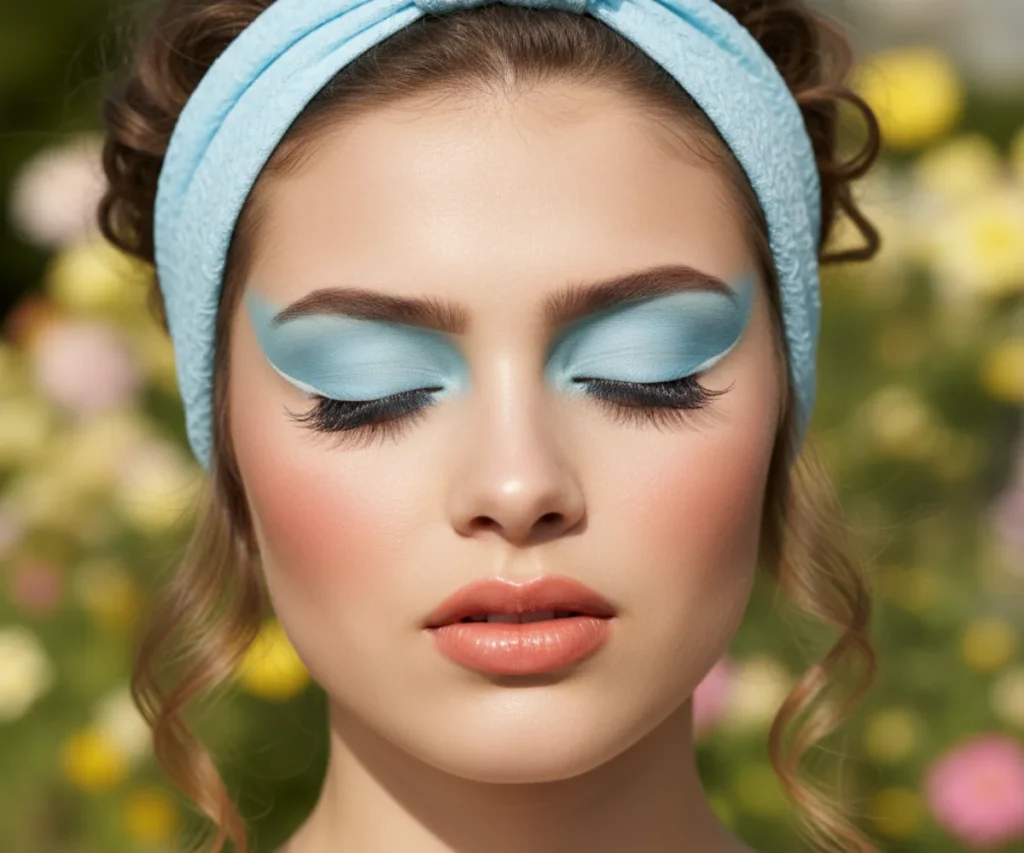
The 60s were not just about black and white; they also embraced a playful palette of pastel colors, particularly for eyeshadow. Soft blues, mint greens, lavender, and pale pinks became popular choices, often applied in a wash across the entire lid and sometimes extending up to the brow bone. These colors evoked a sense of youthful optimism and innocence, perfectly complementing the mod fashion’s shift towards brighter hues and geometric patterns. While some might consider pastels subtle, in the 60s, they were often applied with a generous hand, creating a noticeable pop of color that was both sweet and stylish.
Color Suggestions
Think baby blue, seafoam green, lilac, pale lemon, and candy pink. These were often matte, but a slight shimmer was also acceptable, especially for evening looks. Coordinating your eyeshadow with your outfit was a popular trend.
Styling Tips
When sporting pastel eyes, keep the rest of your makeup relatively clean. A simple black eyeliner on the upper lid and a touch of mascara are usually sufficient. Lips can be a pale nude or a soft pink, allowing the eye color to be the focus.
White Eyeliner Pop
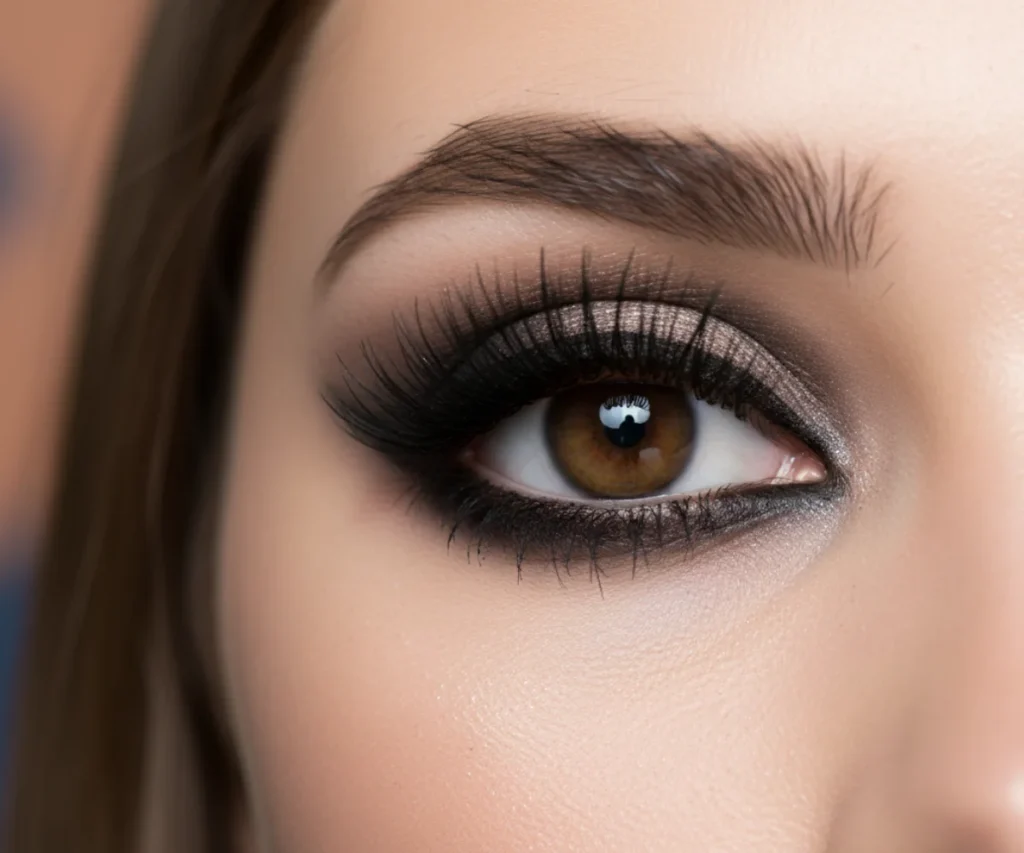
White eyeliner was a secret weapon for 60s makeup artists, used to create an illusion of larger, brighter eyes. It was commonly applied to the lower waterline, instantly making the whites of the eyes appear more expansive and vibrant. Beyond the waterline, white liner was also used to create graphic shapes, draw a thin line just below a black winged liner for added contrast, or even as a base for vibrant eyeshadows to make their colors truly pop. This technique was simple yet incredibly effective in achieving that wide-eyed, youthful look so characteristic of the era.
Dos and Don’ts
DO apply white eyeliner precisely on the waterline for an opening effect. DO use it to subtly highlight the inner corner of the eye. DON’T use it too heavily or sloppily; precision is key. DON’T combine it with overly dark, heavy makeup everywhere else if you want to maintain the bright, fresh look.
The Softer Smokey Eye
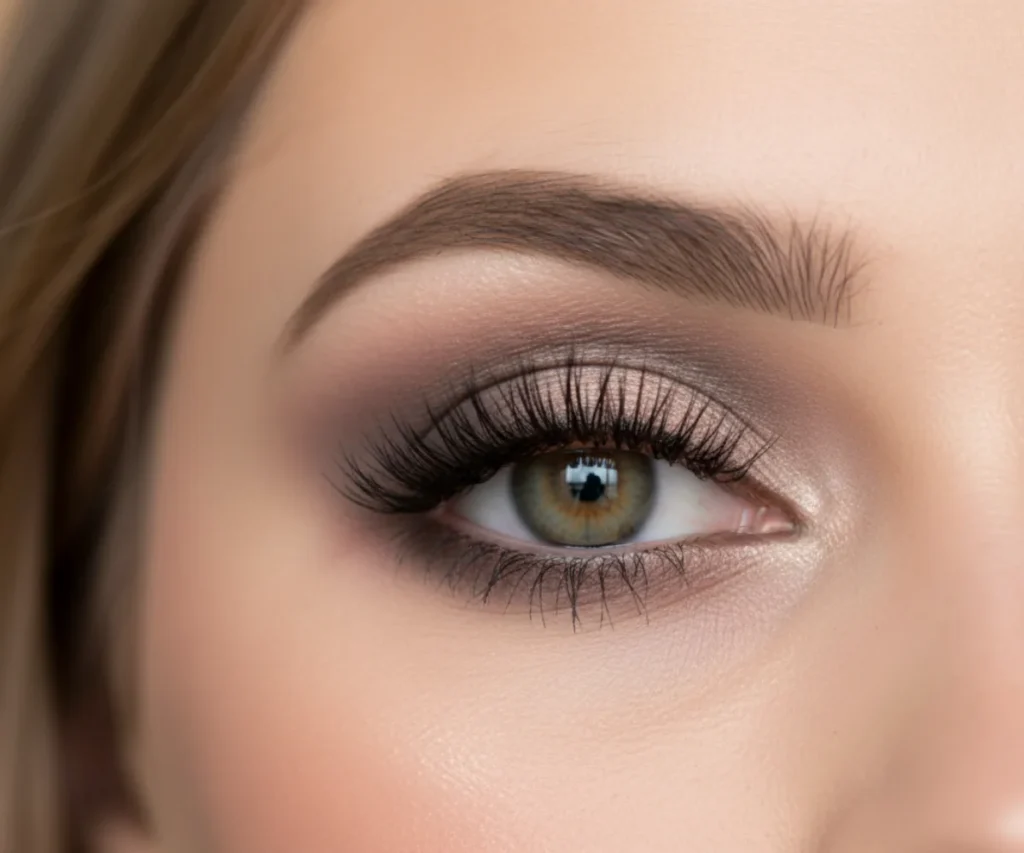
While modern smokey eyes often feature intense black and deep colors, the 60s version was typically softer, more diffused, and often employed shades of grey, brown, or even deep blue. It was less about heavy drama and more about creating depth and a subtle allure. The shadow would be concentrated on the eyelid and softly blended outwards and upwards, avoiding harsh lines. Eyeliner would still be present, usually a softer pencil rather than stark liquid, and lashes would be defined but perhaps not as exaggerated as in the full Twiggy look. This style offered a sophisticated alternative to the more graphic eye trends.
Color Suggestions
Think charcoal grey, warm brown, deep plum, or even a muted olive green. These shades were often matte or had a very subtle satin finish. A lighter, complementary shade could be used as a highlight under the brow bone.
Application Tips
Apply a medium-toned shadow to the lid, then blend a darker shade into the crease and outer corner. Use a soft pencil liner along the upper and lower lash lines, smudging it gently with a brush or a Q-tip for a diffused effect. Finish with several coats of mascara.
Heavy Bottom Liner
A daring trend that emerged alongside the graphic eye was the heavy bottom liner. Moving away from the typical focus on the upper lid, this look emphasized the lower lash line with a thick, often smudged application of eyeliner. It could be paired with a more minimal upper lid or with a full cat-eye, but the intensity on the bottom was unmistakable. This style gave the eyes a slightly more rebellious, almost rock-and-roll edge, departing from the purely innocent or mod aesthetics. It added a sense of weight and definition to the lower half of the eye, creating a unique and often captivating gaze.
Styling Rules
When applying heavy bottom liner, ensure your eyeliner pencil is soft enough to glide smoothly but firm enough for control. You can achieve the smudged effect with a small brush or even your fingertip. Balance the look by keeping the inner corner of the eye bright or focusing on defined upper lashes.
Spider Lashes
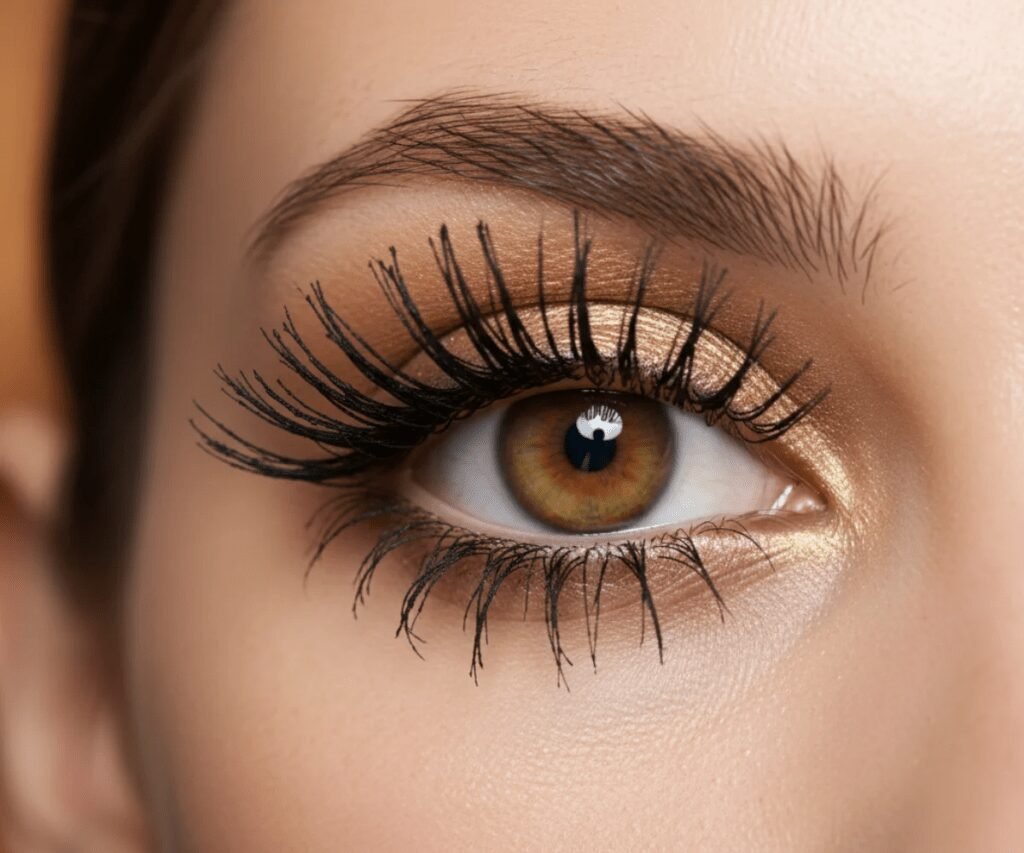
In the pursuit of bigger, bolder eyes, ‘spider lashes’ became a popular (and intentional) trend. This look involved applying multiple coats of mascara, sometimes even layering different mascaras or using specially designed wands, to create thick, separated, and slightly clumpy lashes that resembled spider legs. Both upper and lower lashes received this dramatic treatment, further contributing to the doll-like or exaggerated eye effect. While today we often strive for separated, fluttery lashes, in the 60s, the artfully clumpy lash was a statement of confident, unconventional beauty.
Accessorizing Tips (for Lashes)
To achieve this, consider using individual false lashes on the lower lid in clusters, then applying several coats of volumizing mascara. For the top, a full strip lash followed by heavy mascara application will do the trick. A lash comb can be used *sparingly* to group lashes rather than fully separate them, achieving the desired ‘clumped’ effect.
Barely-There Lips
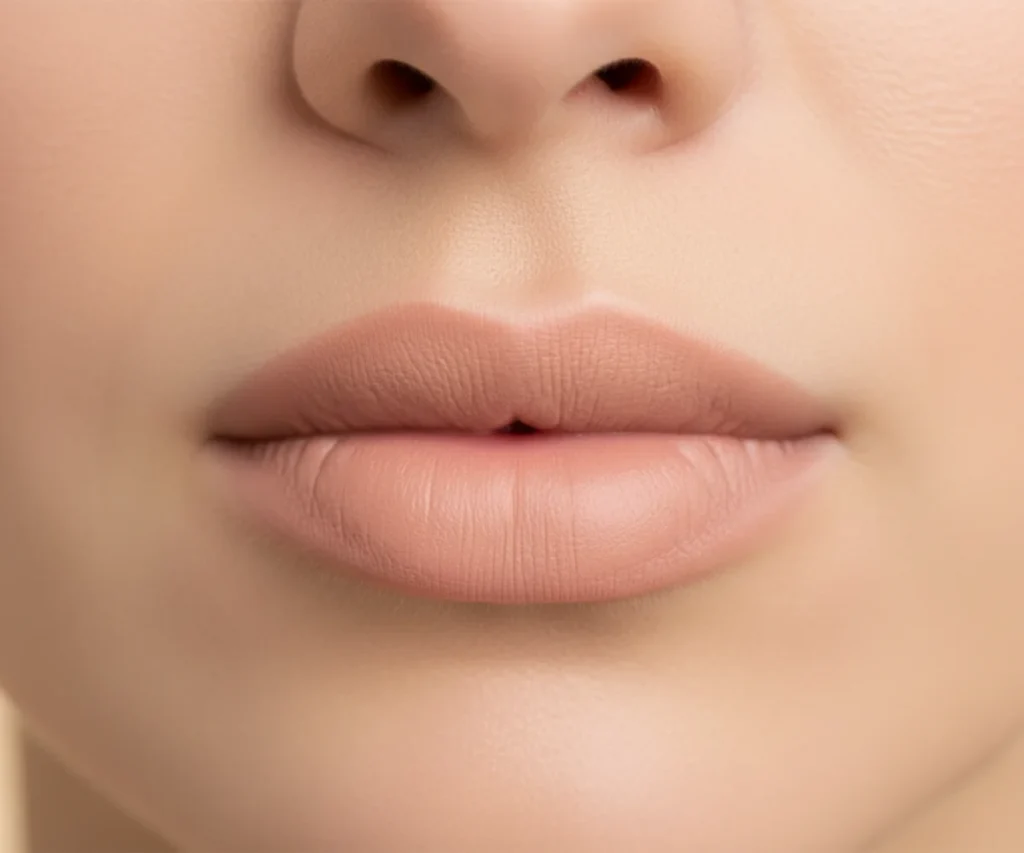
With all the drama happening on the eyes, lips often took a backseat in 60s makeup. The trend was for ‘barely-there’ lips, featuring pale nude, light peach, or very soft pink lipsticks. The goal was to minimize the lips, allowing the eyes to remain the absolute focal point of the face. Matte finishes were preferred over glossy ones, contributing to a clean, understated mouth that wouldn’t compete with the elaborate eye makeup. This look also contributed to the youthful, almost innocent aesthetic that permeated much of the decade’s beauty trends.
Color Suggestions
Look for opaque, matte lipsticks in shades like pale beige, light peach, baby pink, or even a very subtle apricot. Sometimes, a touch of concealer was used on the lips before a very pale lipstick to fully mute their natural color.
Dos and Don’ts
DO ensure your lip color is truly muted and doesn’t pull too orange or too brown if you’re aiming for the classic pale 60s lip. DON’T opt for glossy or shimmery finishes, as this would detract from the matte, understated look. DO ensure your lips are well-hydrated underneath a matte formula.
Matte Skin Perfection
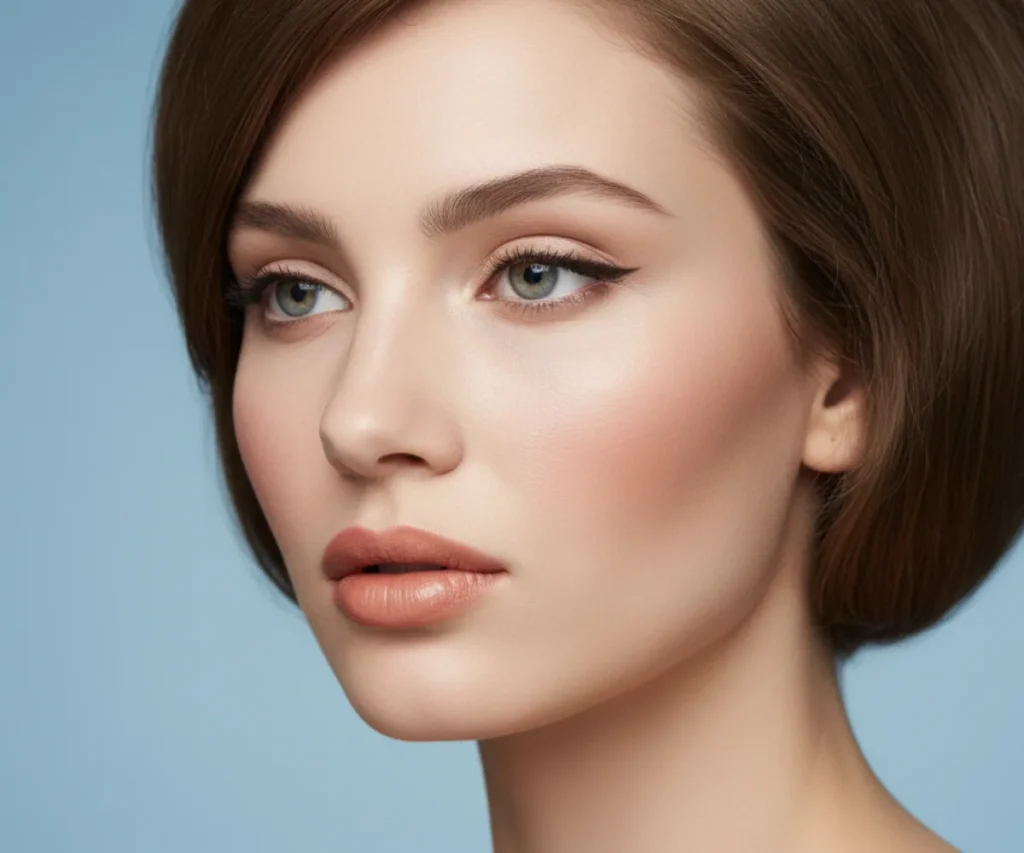
Complementing the bold eye makeup and understated lips was a preference for flawless, matte skin. The 60s celebrated a fresh, youthful complexion, free from shine. Foundations were typically full-coverage, applied evenly to create a porcelain-like canvas. Contouring was minimal to non-existent; instead, the focus was on a uniform skin tone. A light dusting of translucent powder was often used to set the foundation and ensure a completely matte finish throughout the day. Blush, if used at all, was applied sparingly and subtly, typically in soft peach or pink tones on the apples of the cheeks, just to add a touch of natural flush without distracting from the eyes.
Key Takeaways
The 60s matte skin trend was about creating a perfect, even base. It was about concealing imperfections and oiliness to let the more artistic elements of the makeup shine. This meant a good foundation match and proper setting were crucial.
Naturally Defined Brows
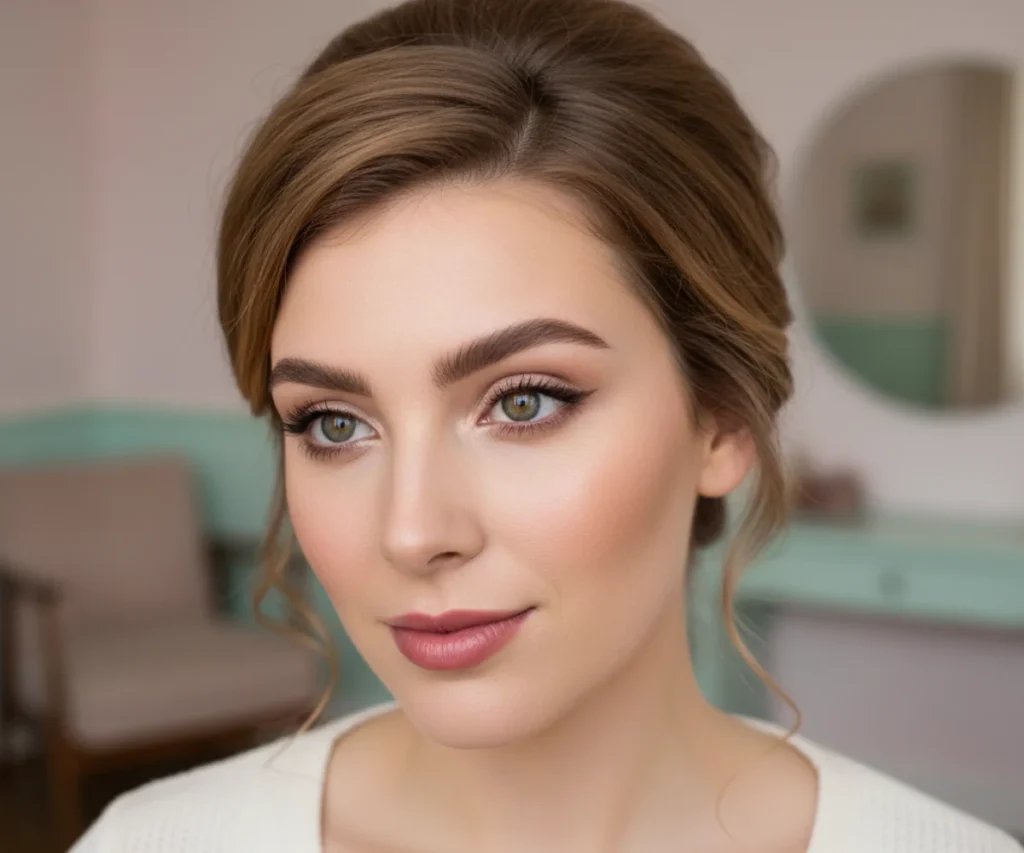
Unlike the heavily sculpted or ultra-thin brows of other decades, 60s eyebrows were generally kept natural but well-defined. The ideal brow was well-groomed, neatly shaped, but not overly plucked or drawn on. The focus was on enhancing the natural arch and fullness of the brow, framing the dramatic eye makeup without competing with it. A brow pencil or powder might be used to fill in sparse areas and create a clean line, but the overall effect was one of understated elegance and authenticity. They provided a subtle anchor for the adventurous eye looks.
Styling Tips
Use a brow pencil or powder in a shade matching your natural brow hair. Focus on filling in any gaps and defining the tail of the brow. Brush your brows upwards with a spoolie to give them a natural, feathery look. Avoid harsh lines or overly dark applications.
Vibrantly Colored Liner
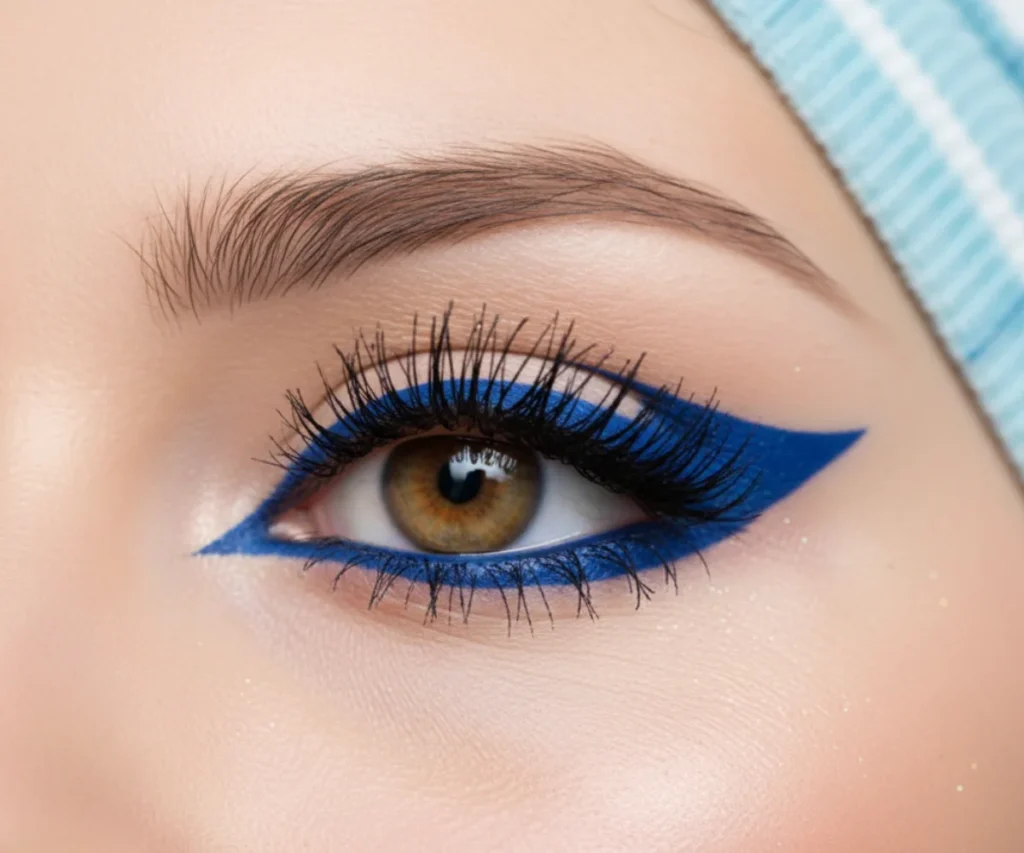
While black liner was king for many iconic 60s looks, the decade also saw a surge in popularity for vibrantly colored eyeliners. Bright blues, emerald greens, and even purples emerged as bold choices, especially as the decade progressed and fashion became more experimental. These liners were often used to create graphic shapes or dramatic wings, adding an unexpected pop of color to the eye. Sometimes, a black liner would be applied first, with a thinner line of colored liner directly above it, creating a multi-dimensional effect. This trend perfectly encapsulated the youthful exuberance and playful spirit of the era.
Color Suggestions
Experiment with electric blue, turquoise, lime green, lavender, or fuchsia. These were often matte or had a slight metallic sheen, catching the light playfully.
Application Tips
When using colored liner, ensure your application is precise. A liquid or gel liner provides the best pigment and sharpness. Keep the rest of your eye makeup minimal to let the vibrant color truly stand out.
Glitter and Embellishments
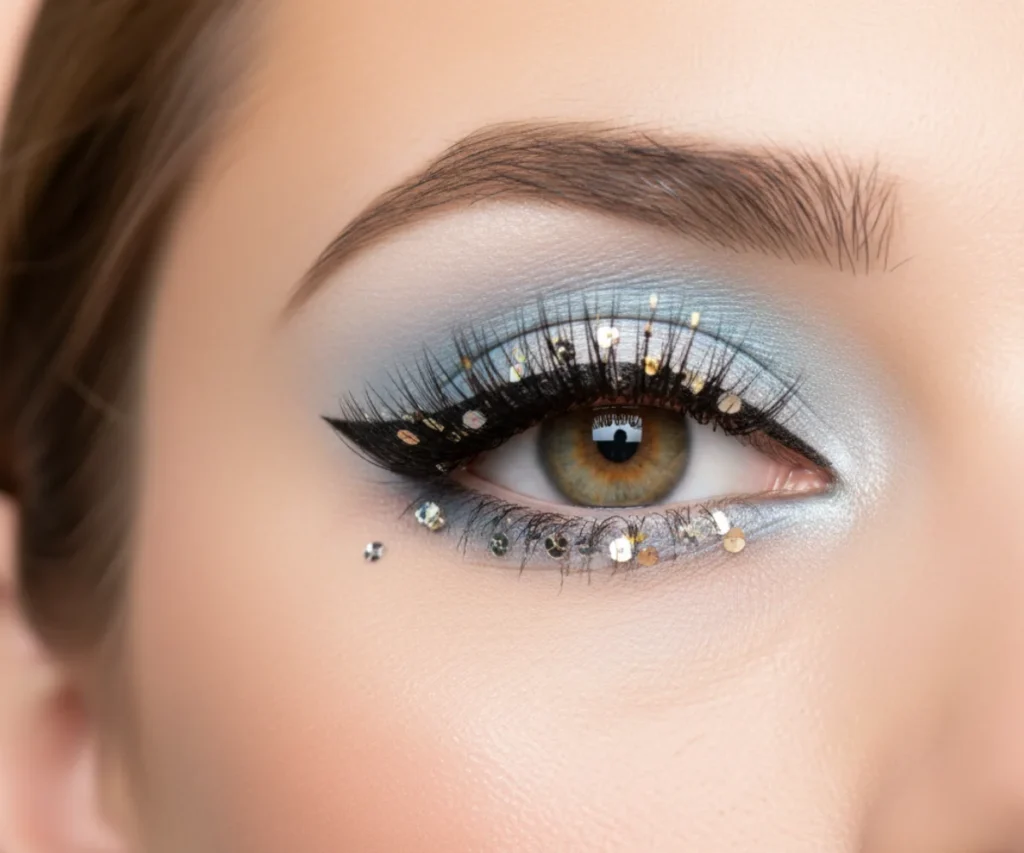
Towards the latter half of the 1960s, as pop art and psychedelic influences took hold, makeup became even more experimental, introducing elements like glitter and small embellishments. While not as widespread as the mod eye, these elements added a touch of theatricality and glamour, especially for evening looks or avant-garde fashion shoots. Tiny sequins, glitter dust, or even small adhesive gems could be strategically placed around the eyes, catching the light and creating a dazzling effect. This foreshadowed the even more adventurous makeup trends of the 70s, marking the 60s as a bridge between conventional beauty and artistic expression.
Key Takeaways
This trend was more about subtle sparkle than full-blown disco glam. The embellishments were often strategically placed to highlight the eye, such as along the lower lash line or just outside the outer corner, rather than covering the entire lid.
The Sophia Loren Cat Eye (60s Adaptation)
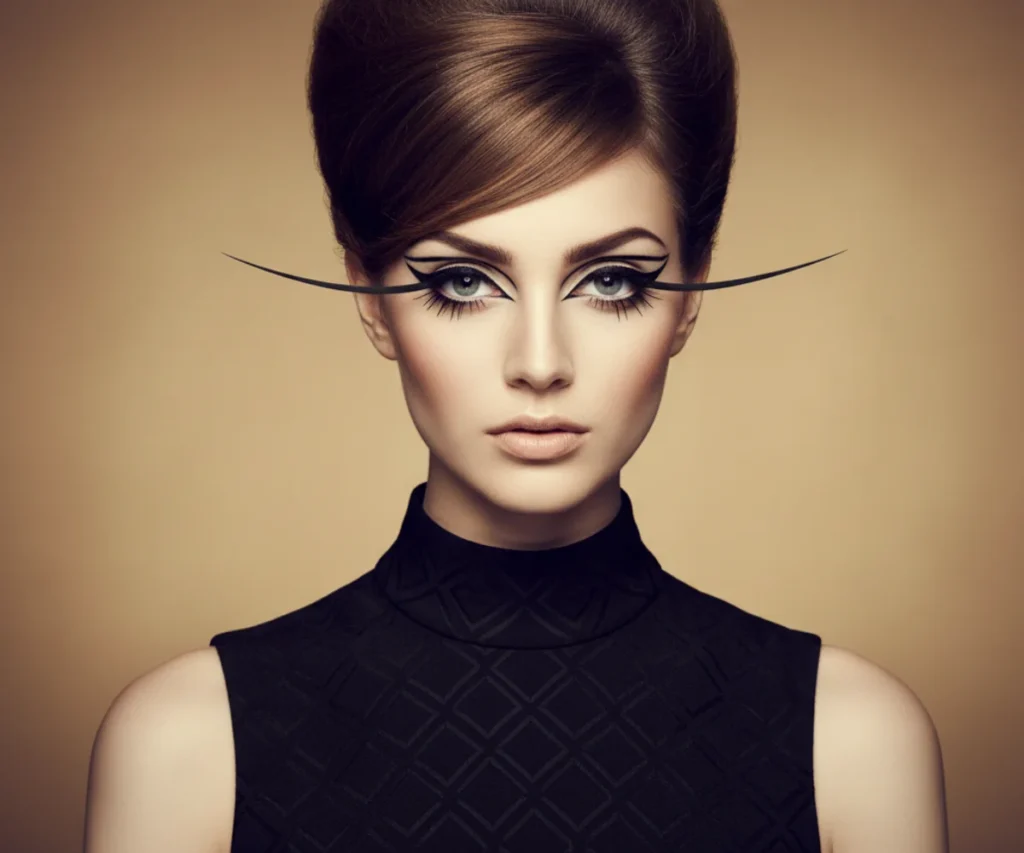
While often associated with the 50s, the classic cat eye of icons like Sophia Loren found a distinct 60s adaptation. It became sharper, more elongated, and often paired with the other popular eye-widening techniques of the decade. The 60s cat eye featured a dramatic flick that extended further outwards and upwards, sometimes with a more defined point. It retained its allure and sophistication but incorporated the decade’s penchant for graphic lines and emphasis on the outer corner of the eye. This look offered a blend of timeless glamour and contemporary edge, proving that a classic could be reinvented for a new era.
Styling Tips
Achieve a precise, sharp wing with liquid eyeliner. For a true 60s adaptation, consider pairing it with a very subtle cut crease or even a touch of white eyeliner on the waterline to enhance the open-eye effect. Defined upper lashes are a must.
The Hippie Natural Look (Late 60s)
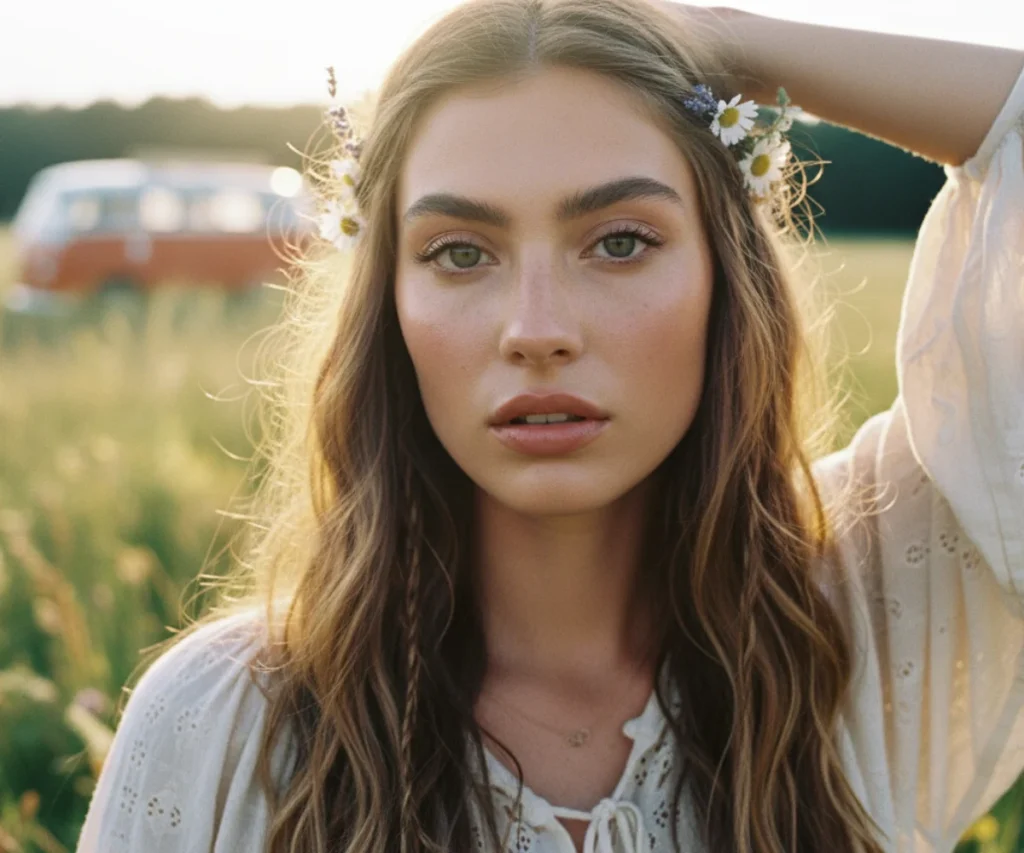
As the 60s drew to a close, a counter-cultural movement emerged, bringing with it a more ‘natural’ approach to beauty. The hippie aesthetic championed authenticity and rejected overt artifice, influencing makeup to become more subtle. This ‘natural look’ involved minimal makeup, focusing on healthy, glowing skin, often achieved with tinted moisturizers or light foundations. Eyes might feature a touch of earthy-toned eyeshadow (browns, greens) or just mascara, with a preference for a sun-kissed, fresh-faced appearance. Lips were typically nude or a sheer balm. This was less about specific techniques and more about an overall feeling of effortless, free-spirited beauty.
Dos and Don’ts
DO embrace healthy skincare and a natural glow. DO use sheer makeup products. DON’T try to perfectly contour or heavily conceal. DON’T use harsh lines or very bright, unnatural colors. The goal is an ‘un-done’ yet polished look.
Key Takeaways from 60s Makeup
The 1960s was a decade of defining eyes. From the revolutionary Twiggy eye to the playful pastel lids and bold graphic liners, the focus was overwhelmingly on making the eyes the undisputed star of the face. Lips were often muted, and skin was kept matte and flawless, providing a clean canvas for the ocular artistry. Experimentation, geometric precision, and a youthful spirit were at the heart of 60s beauty, giving us a legacy of iconic looks that continue to inspire today’s trends.
Dos and Don’ts for Recreating 60s Makeup Today
Dos
- Do focus on the eyes: Choose one dramatic eye element—be it a cut crease, graphic liner, or spider lashes—and build your look around it.
- Do keep lips understated: A pale nude or soft pink matte lipstick will complement bold eyes without competing.
- Do embrace matte skin: A flawless, shine-free base is key for an authentic 60s look.
- Do experiment with false lashes: Both strip lashes and individual lower lashes can dramatically enhance the 60s eye.
- Do practice precision: Many 60s eye looks rely on sharp lines and defined shapes.
Don’ts
- Don’t combine too many dramatic elements: A full Twiggy eye with heavy bottom liner and vibrant pastel eyeshadow might look costume-y rather than stylish.
- Don’t over-contour: Contouring wasn’t a major feature of 60s makeup; keep it minimal or skip it entirely.
- Don’t use overly glossy lips: High-shine lips can clash with the matte aesthetic of the decade.
- Don’t forget balance: If your eyes are very dramatic, ensure the rest of your face makeup is subtle.
Accessorizing Your 60s Makeup Look
While makeup itself was a powerful accessory in the 60s, a few other elements could elevate the overall aesthetic:
- Hair Scarves and Headbands: Often paired with beehives or voluminous hair, a patterned scarf or a wide headband could frame the face beautifully and draw more attention to the eyes.
- Statement Earrings: Large, geometric, or colorful earrings were popular and could complement the mod aesthetic.
- Chunky Rings: Bold, oversized rings added to the playful and avant-garde feel of 60s fashion.
- Hats: Wide-brimmed hats or pillbox hats could enhance a sophisticated 60s ensemble, especially for more demure looks.
Conclusion
The 1960s gifted us a truly iconic era of beauty, one that broke free from tradition and embraced audacious self-expression. From the groundbreaking graphic eyes that defined the mod movement to the softer, more natural aesthetics of the late decade, 60s makeup was a powerful tool for transformation and identity. These 16 looks are more than just historical trends; they are timeless statements of creativity, confidence, and rebellion that continue to inspire fashion and beauty enthusiasts today. So go ahead, pick your favorite, and let the spirit of the swinging sixties transform your gaze.