12 Doodle Ideas That Look Clean & Creative
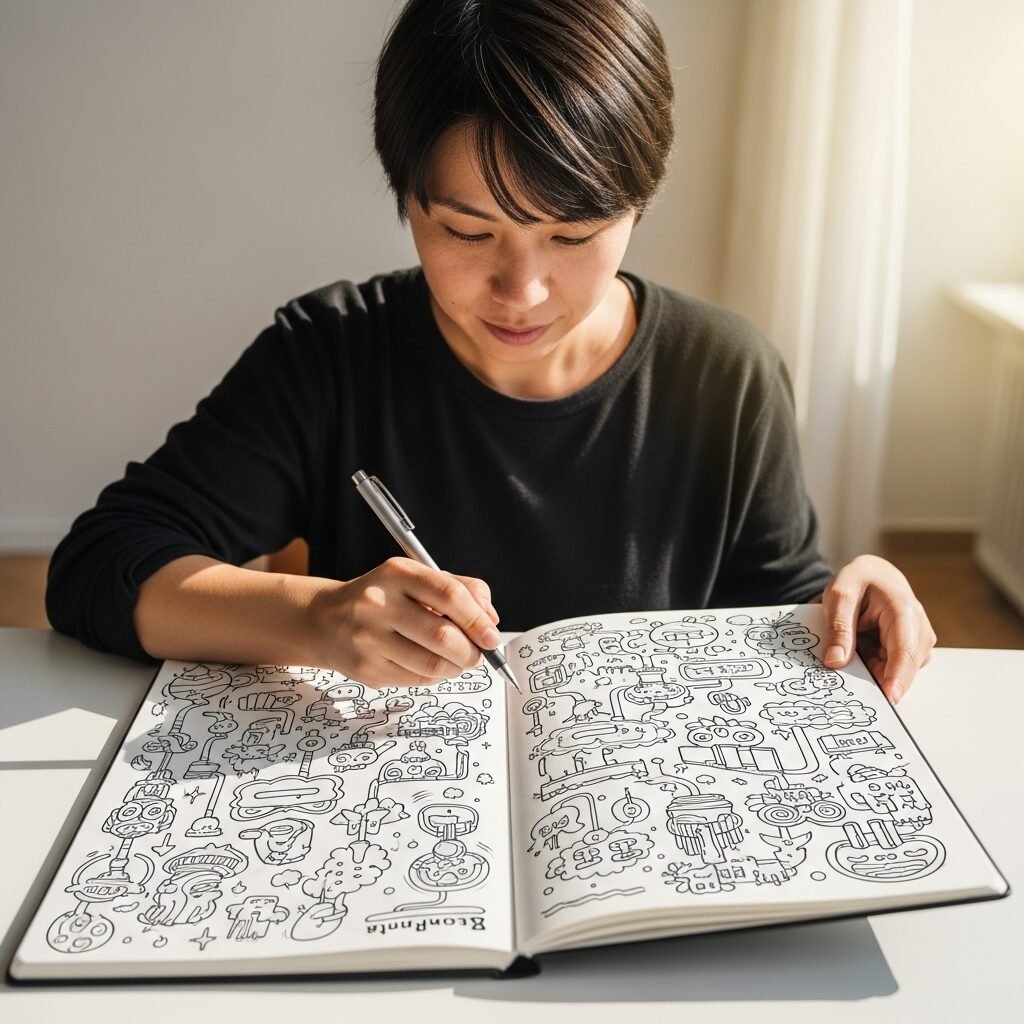
Doodling is often perceived as a mindless activity, but when approached with a minimalist aesthetic, it becomes a powerful tool for visual communication and creative mindfulness. Clean doodling focuses on deliberate lines, balanced compositions, and the effective use of white space. Whether you are looking to decorate a bullet journal, enhance a professional presentation, or simply find a relaxing outlet, these twelve ideas provide a structured yet imaginative way to explore the art of the pen. By stripping away complexity, you can achieve a sophisticated look that feels both modern and professional.
1. Geometric Minimalism
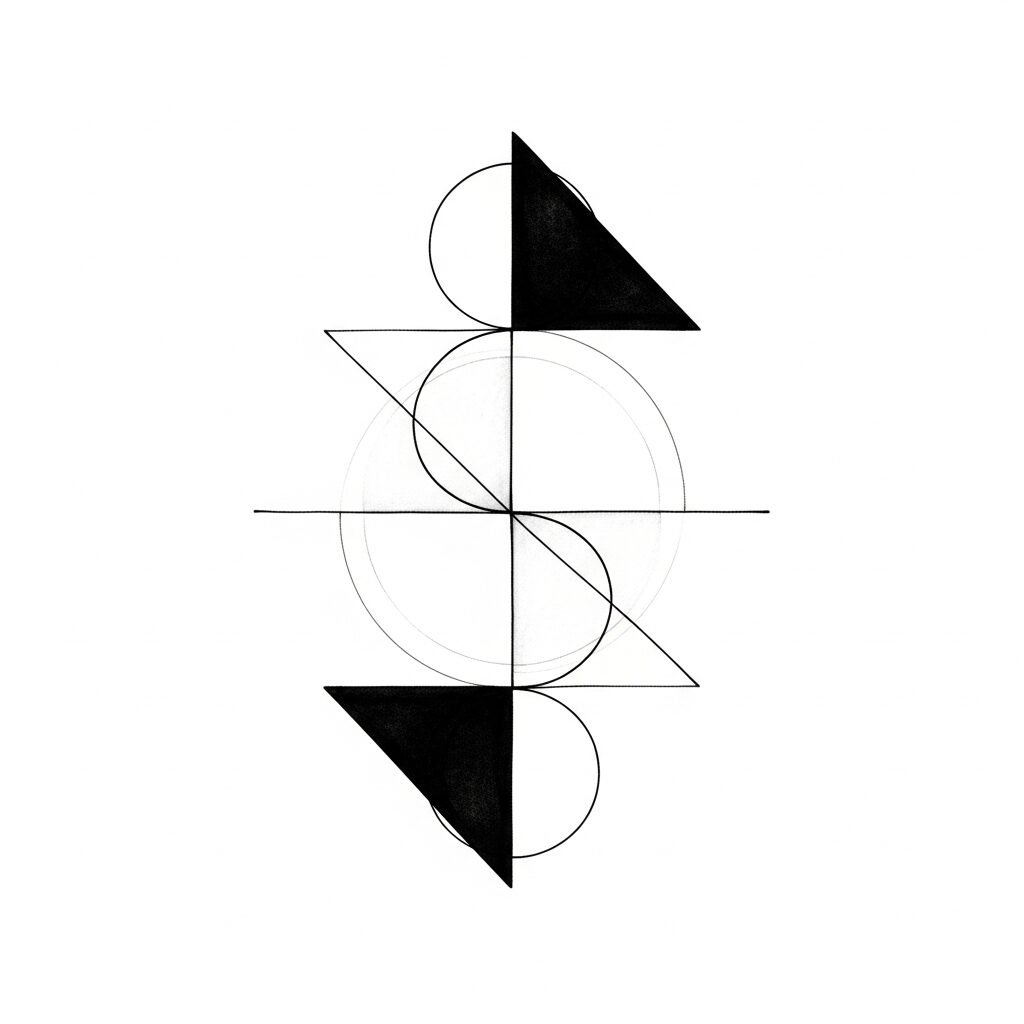
Geometric minimalism relies on the fundamental shapes of design: the circle, the square, and the triangle. To keep this look clean, focus on using consistent line weights and sharp angles. You can layer these shapes by varying their sizes or by slightly overlapping them to create a sense of depth without cluttering the page. This style is particularly effective for those who appreciate mathematical precision and architectural aesthetics in their creative work.
2. Single Line Botanical Outlines
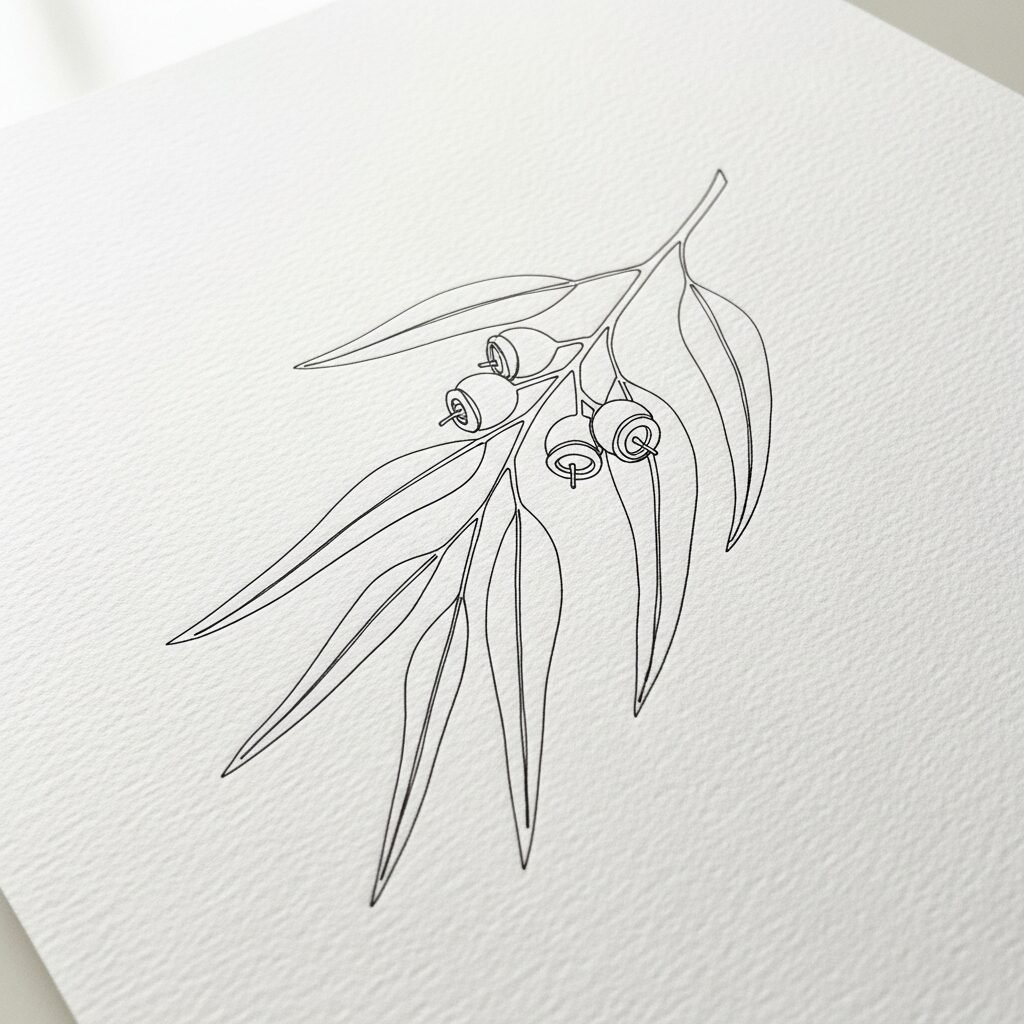
The continuous line technique is a sophisticated way to render organic forms like leaves and flowers. By never lifting the pen from the paper, you create a fluid, interconnected design that looks effortless and high-end. Focus on iconic botanical shapes such as Monstera leaves or simple tulips. The beauty of this style lies in its imperfections and the elegant flow of a single, unbroken stroke.
3. Abstract Topographic Maps
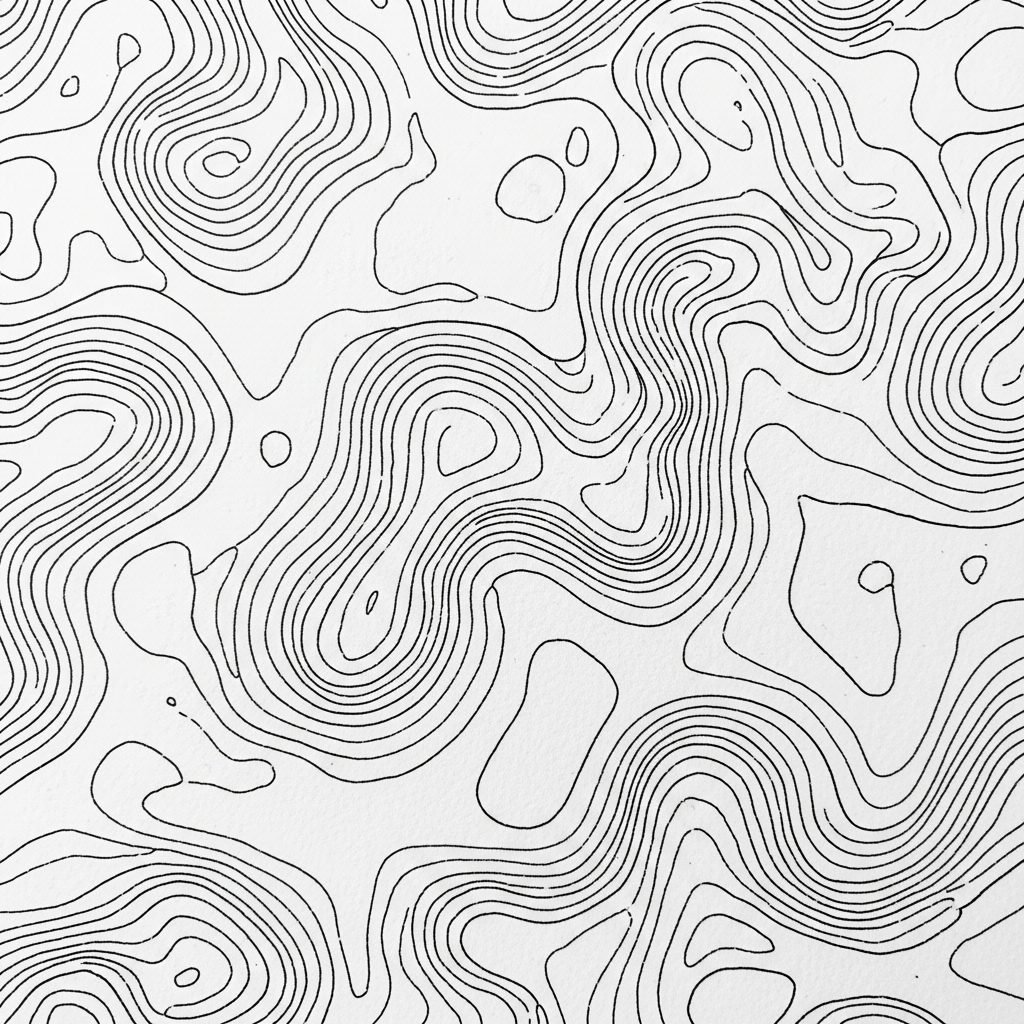
Topographic lines offer a unique way to fill space with movement and texture. By drawing concentric, wavy lines that mimic the elevation markers on a map, you create a mesmerizing abstract pattern. To maintain a clean look, ensure that the lines do not touch or cross. This creates a rhythmic, calming visual that works well as a background element or a standalone piece of art.
4. Celestial Constellations
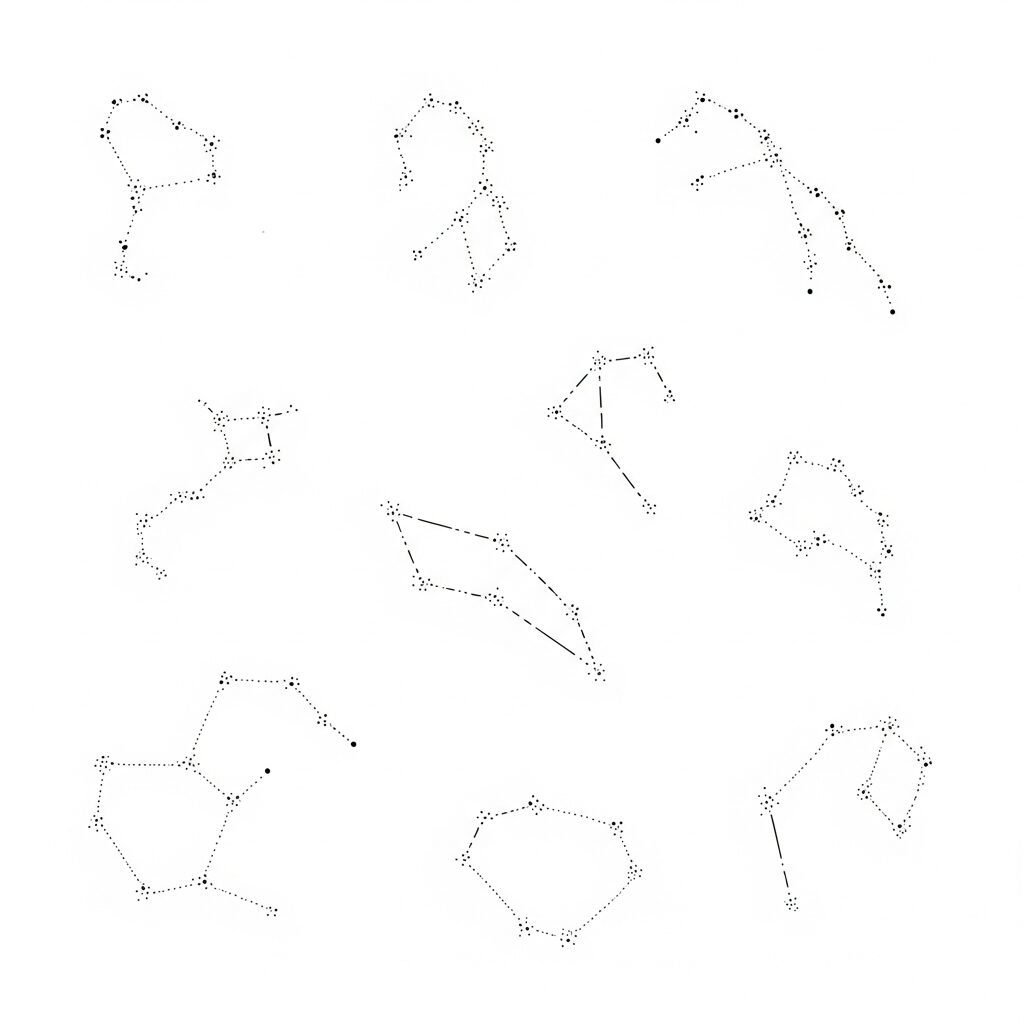
Celestial doodles are inherently minimalist. By using small dots to represent stars and extremely thin lines to connect them into constellations, you can create a vast sense of space with very little ink. Incorporating a tiny crescent moon or a simple starburst can add a focal point. This approach is perfect for adding a touch of wonder to a page while maintaining a professional, airy feel.
5. Architectural Silhouettes
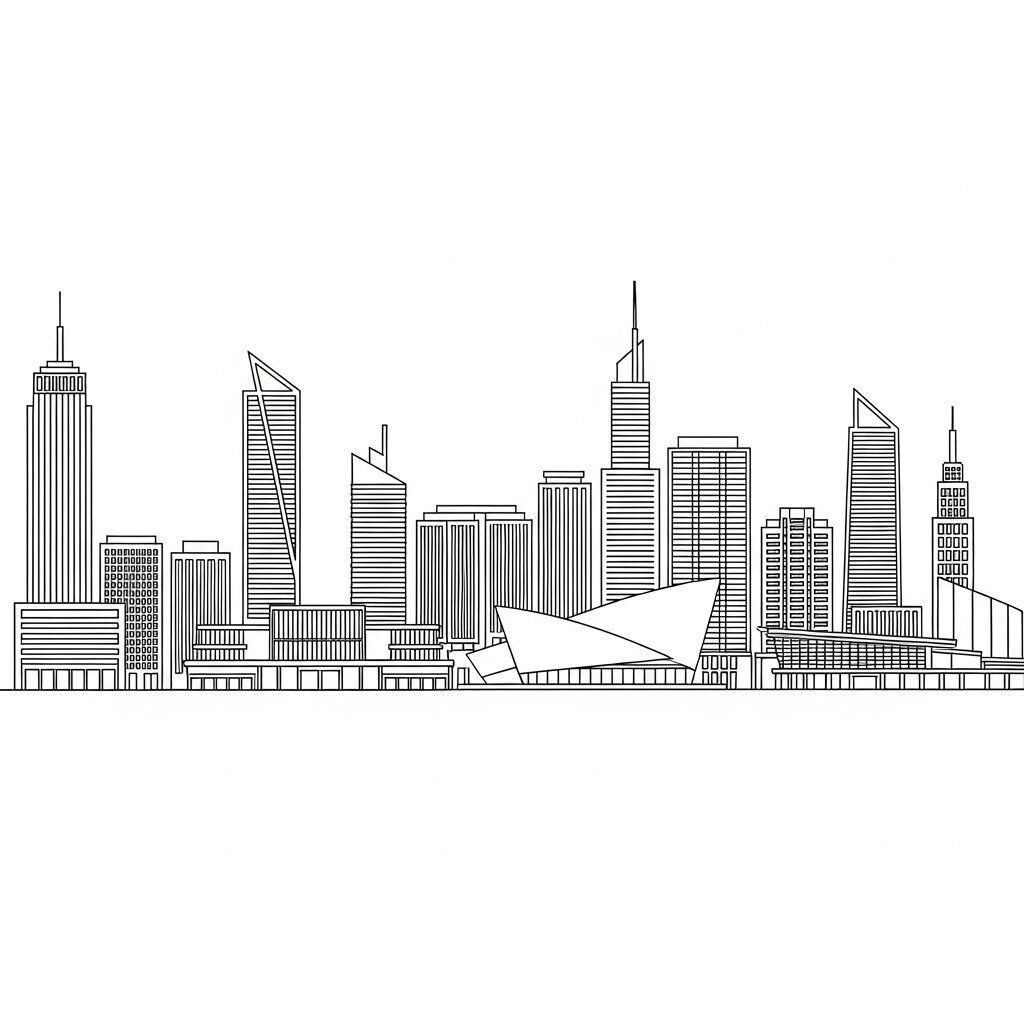
Architecture provides a wealth of inspiration for clean doodling. Focus on the silhouettes of buildings or specific structural details like arched windows and clean-lined balconies. By using vertical and horizontal lines with minimal shading, you can evoke the feeling of a city or a specific home. This style is excellent for those who want to practice perspective and scale in a simplified manner.
6. Modern Coffee Culture Icons
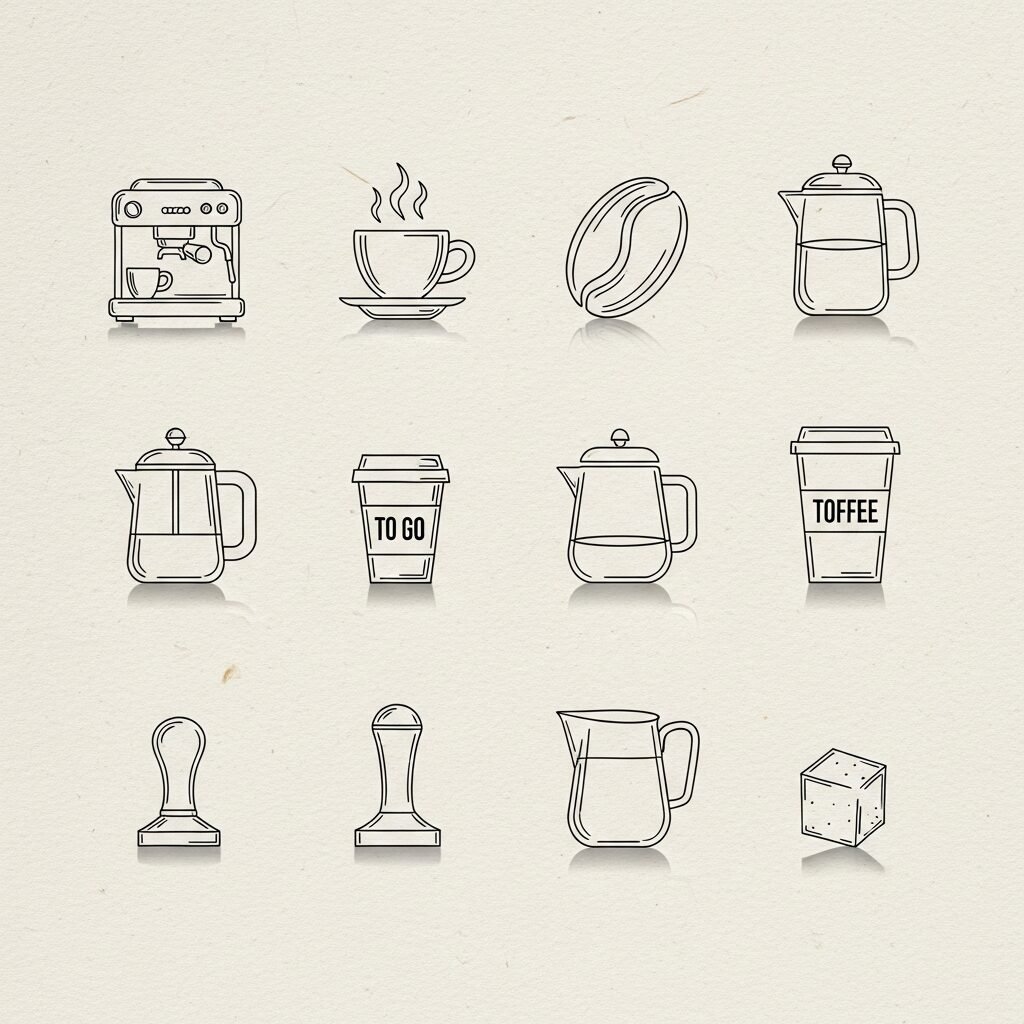
Small, representational icons of daily life can be both charming and clean. Coffee carafes, ceramic mugs, and coffee beans lend themselves well to simplified line art. Use thick outlines and avoid excessive detail. These tiny doodles are perfect for margins or headers, providing a relatable and cozy aesthetic that remains sharp and intentional.
7. Whimsical Floating Clouds
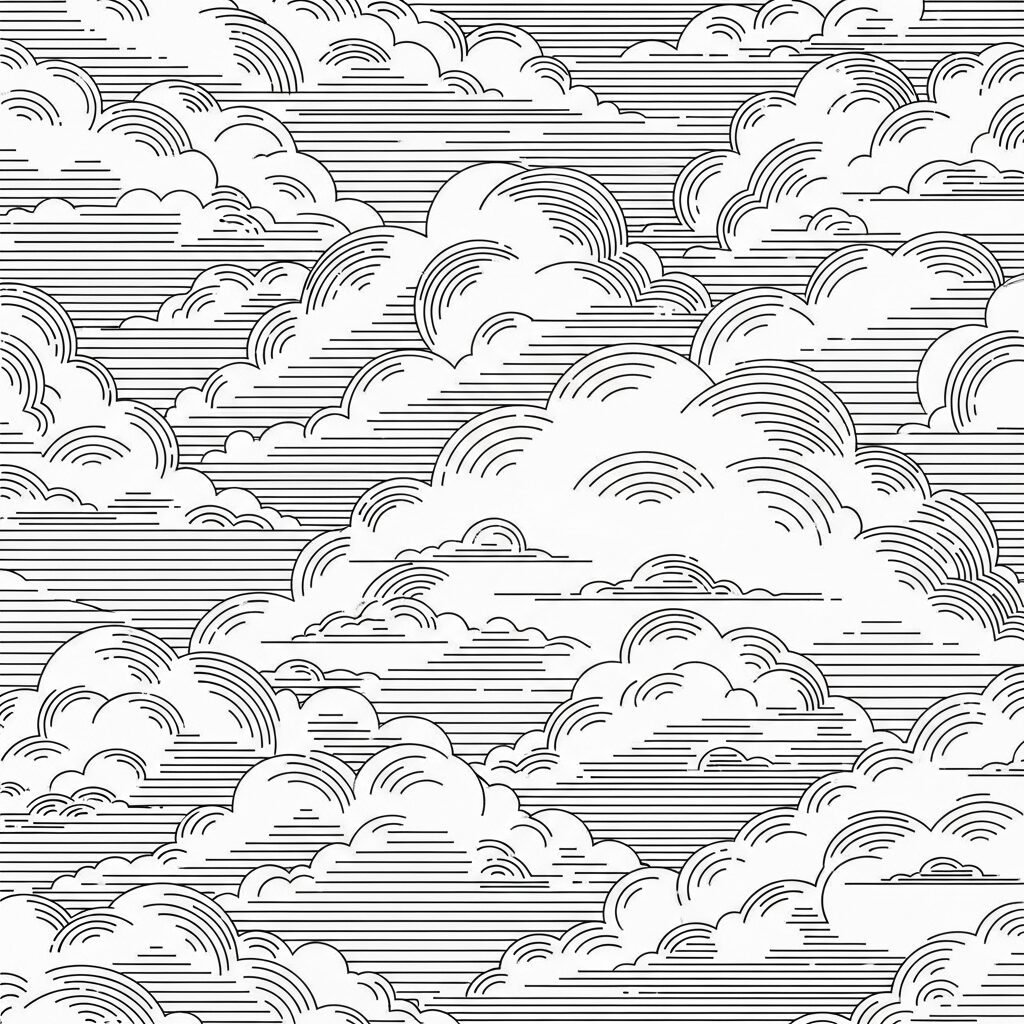
Clouds do not have to be complex to be effective. By using rounded, semi-circular shapes with a flat bottom, you can create a series of stylized clouds. Adding two or three horizontal lines beneath them can suggest movement or wind. This doodle idea is great for creating a sense of height and lightness on a page, especially when paired with other sky-themed elements.
8. Symmetrical Mandala Segments
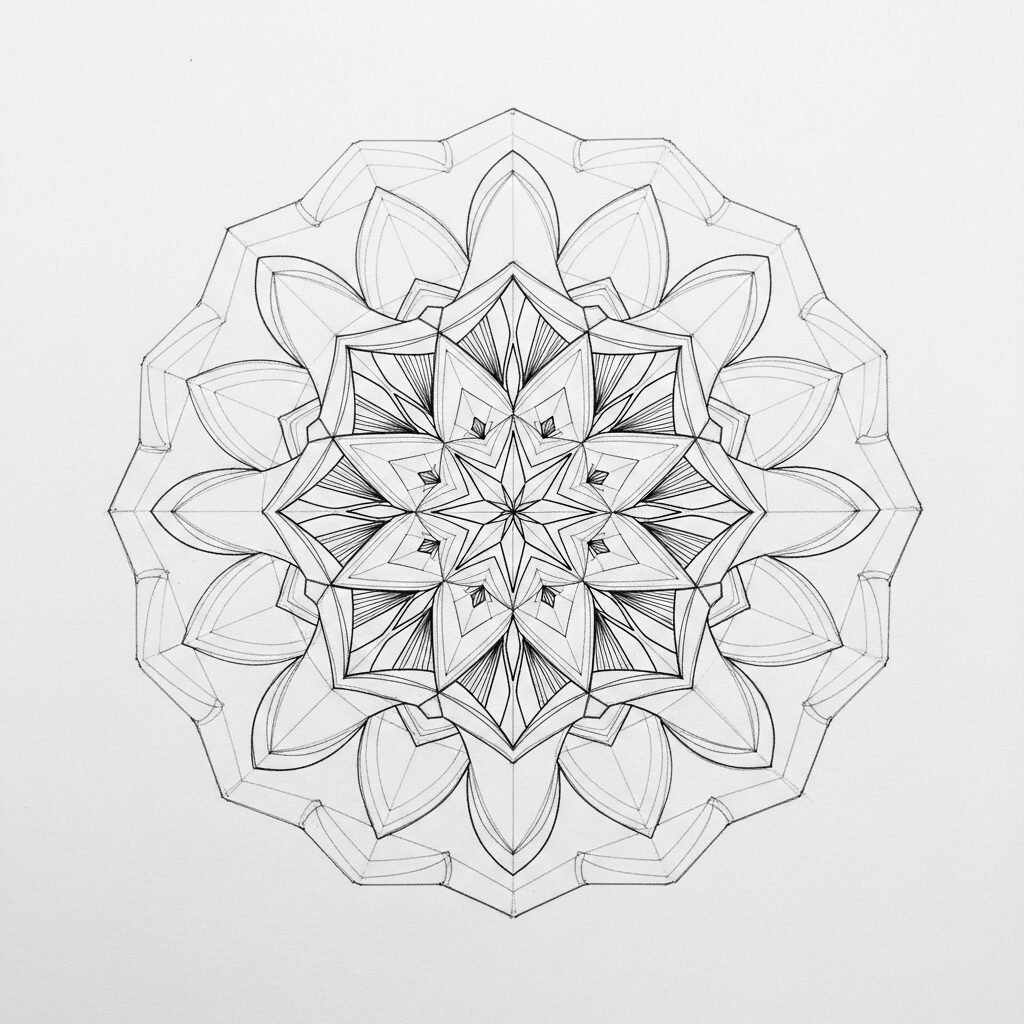
While full mandalas can become quite busy, drawing a single segment or a half-mandala along the edge of a page keeps the design focused and clean. Use repeating patterns of petals, dots, and scallops. Symmetry is the key here; it provides a sense of order and balance that is naturally pleasing to the eye and looks highly professional despite its intricacy.
9. Minimalist Foliage Patterns
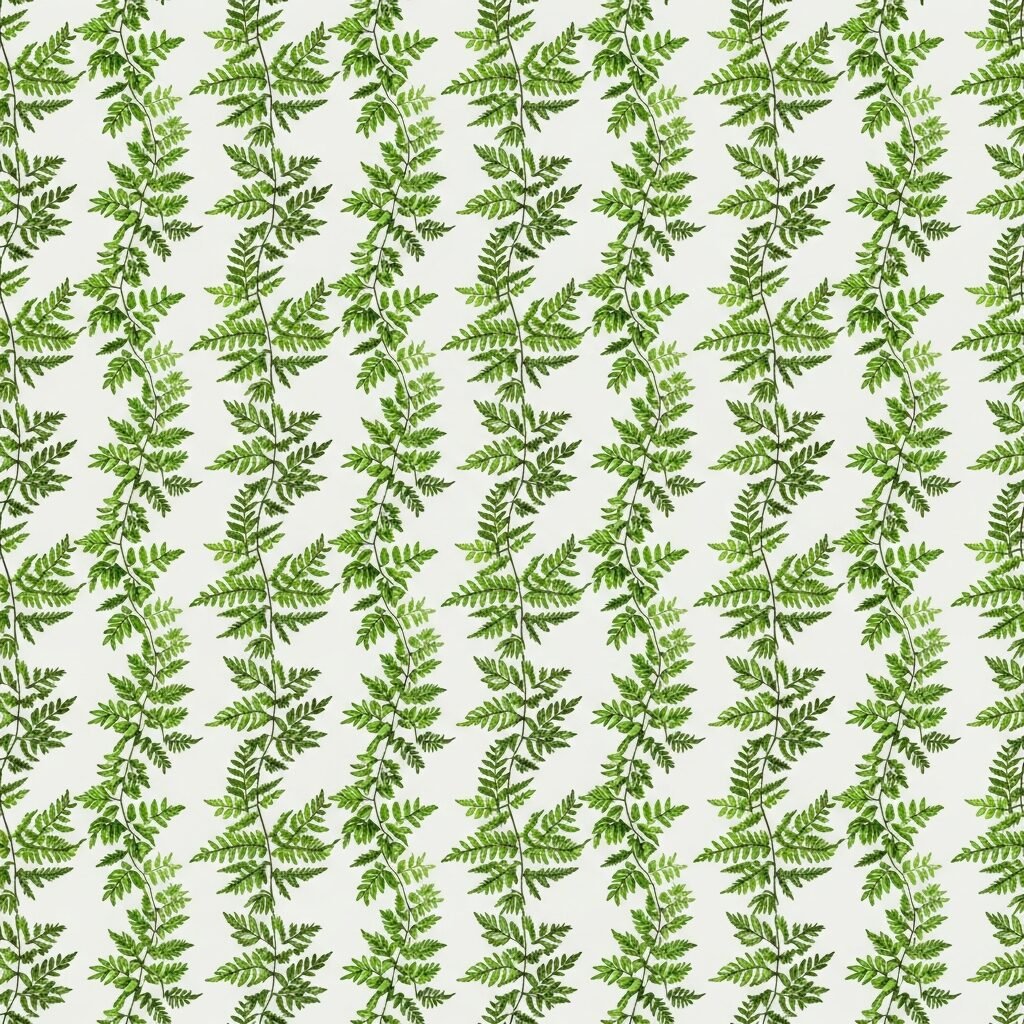
Patterns created from simplified foliage are both versatile and easy to execute. Choose a simple leaf shape and repeat it in a grid or a loose, vertical vine. Keeping the leaves small and the spacing consistent ensures the pattern looks intentional rather than chaotic. This is an excellent way to frame a page or create a decorative border that feels organic yet structured.
10. Abstract Geometry with Negative Space
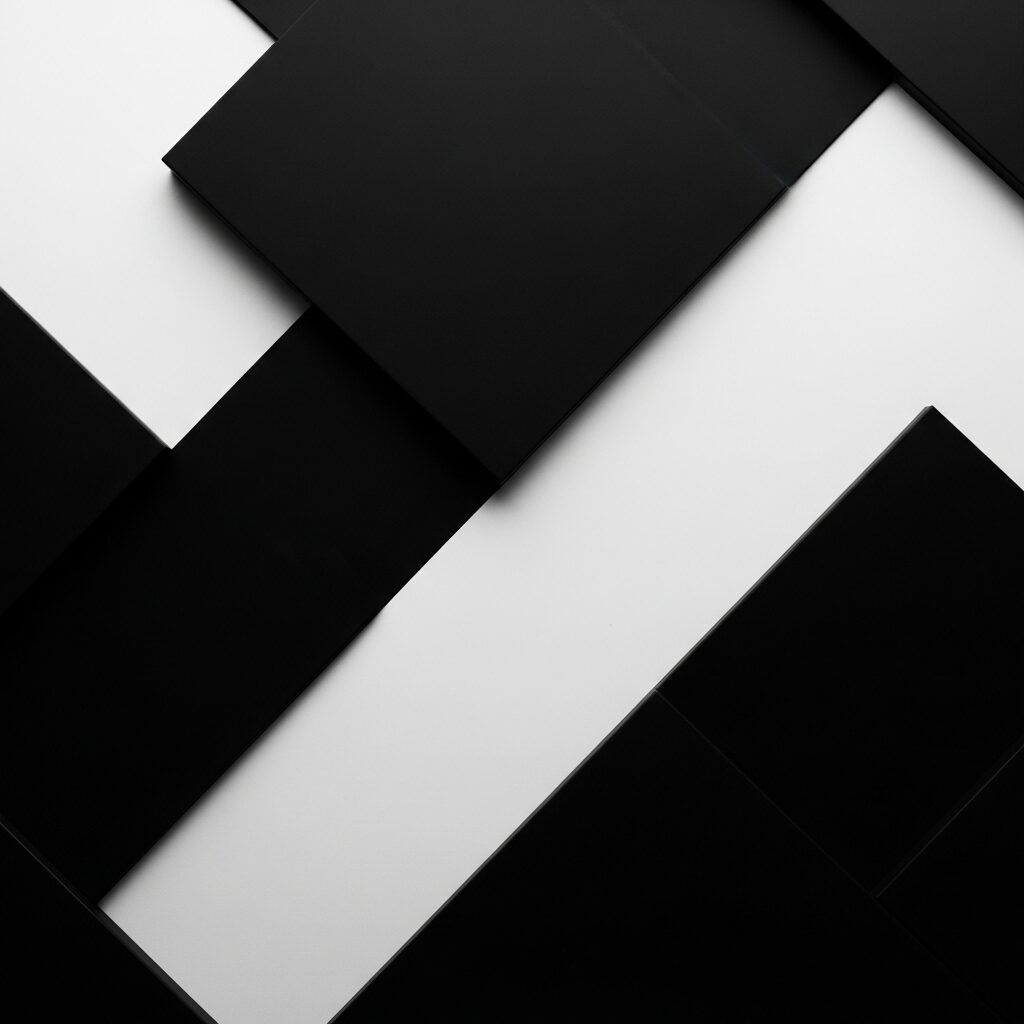
Negative space is a powerful design tool. Instead of filling in every shape, leave parts of your doodle empty to let the paper breathe. For example, you can draw a large circle but only fill half of it with a fine cross-hatch pattern. This contrast between dense ink and empty space creates a modern, high-contrast look that is very effective for creative layouts.
11. Stylized Household Objects
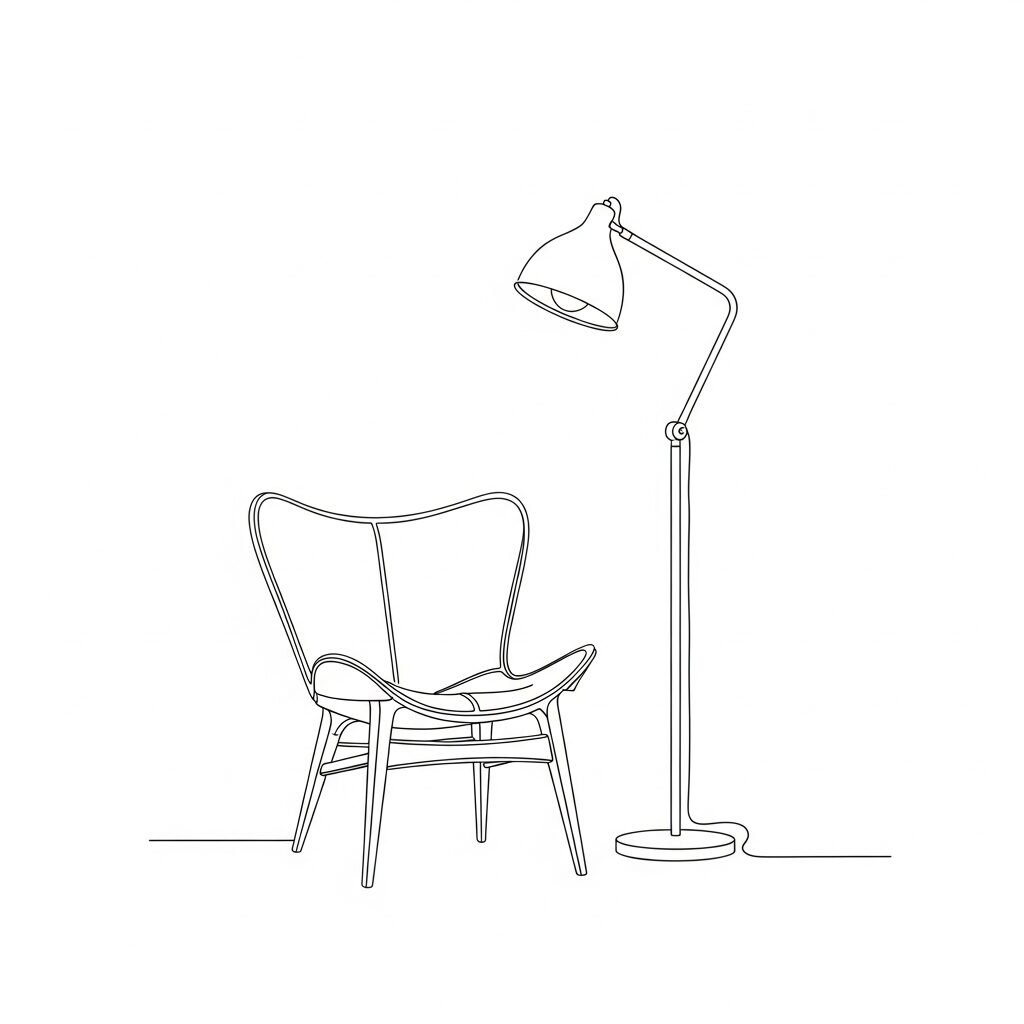
Taking everyday items and stripping them down to their basic forms is a great exercise in clean design. A mid-century modern chair, a simple desk lamp, or a glass vase can all be rendered with just a few well-placed lines. The goal is to capture the essence of the object without the need for realistic shading or complex textures.
12. Fluid Ink Splatter Accents
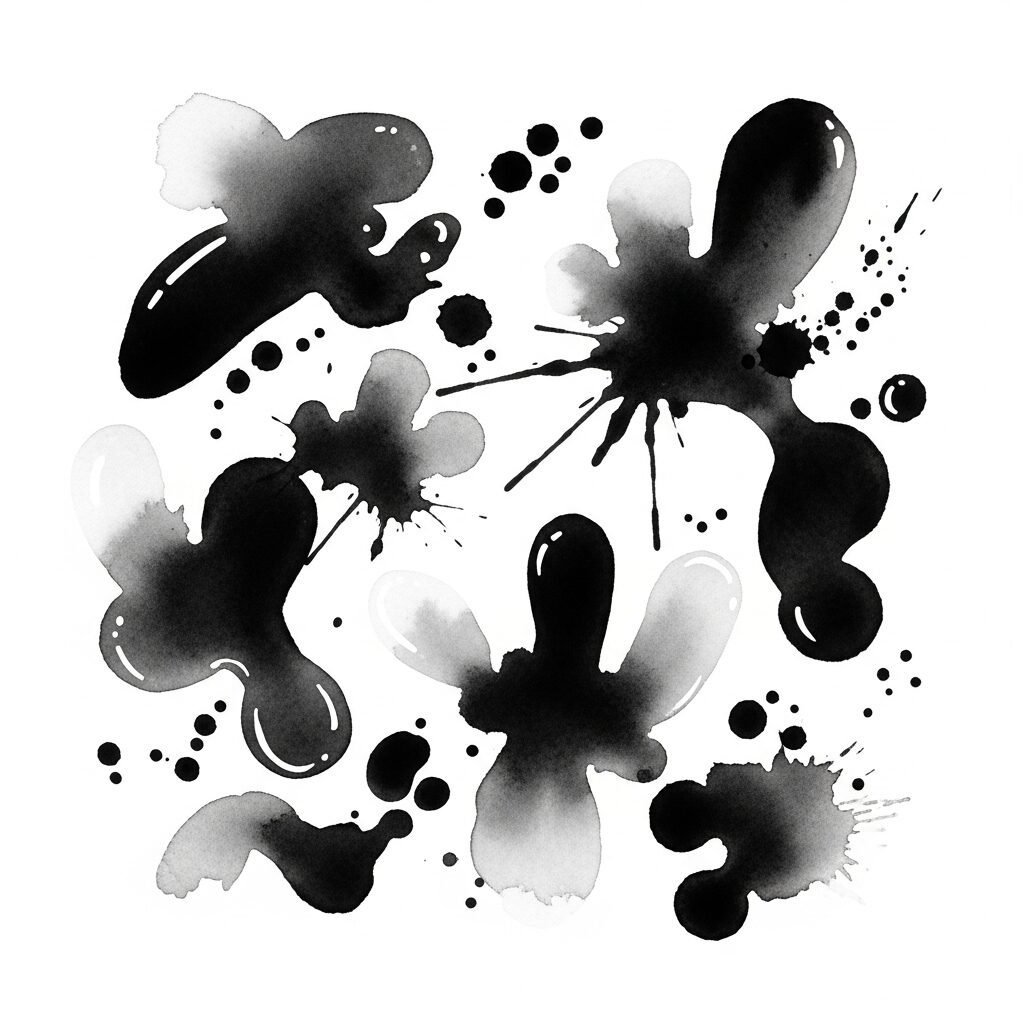
While splatters may sound messy, they can be executed with precision. Use a fine-liner to draw organic, blob-like shapes that mimic ink droplets, then fill some with solid black and leave others as outlines. This creates a dynamic, artistic feel that suggests creativity and movement while remaining contained and clean on the page.
Conclusion
Mastering the art of clean and creative doodling is about finding the balance between simplicity and expression. By utilizing these twelve ideas, you can transform your notes and journals into visually appealing works of art. The key to success is consistency in line weight and a respect for white space. As you practice these techniques, you will find that even the simplest marks can convey significant creative intent, making your doodles look professional and polished.