
If you constantly find your skin looking shiny and greasy just a few hours after washing your face, you are not alone. Oily skin is a very common concern, especially for those living in humid climates. While a little natural oil is good, excess sebum can lead to clogged pores, blackheads, acne, and makeup that doesn’t stay in place.
The good news is that with the right skincare routine, you can manage oily skin effectively and achieve a balanced, fresh, and glowing complexion. This step-by-step guide will show you exactly how to do it in five simple yet powerful steps.
Understanding Oily Skin

Before you jump into the solution, it helps to understand why your skin becomes oily in the first place.
Your skin naturally produces an oily substance called sebum. Sebum helps to keep your skin moisturized and soft. However, when your sebaceous glands produce too much of it, the excess oil collects on the skin surface, leading to clogged pores and breakouts.
Common Causes of Oily Skin

- Genetics – If oily skin runs in your family, there’s a good chance you inherited it.
- Hormonal changes – Fluctuations during puberty, periods, pregnancy, or stress can trigger excess oil production.
- Climate – Hot and humid weather often increases oiliness.
- Harsh skincare products – Using strong cleansers can strip your skin of its natural moisture, making it produce even more oil.
- Diet and lifestyle – High sugar intake, processed foods, and lack of sleep can also contribute to oily skin.
The goal is not to remove all the oil from your face, but to balance oil production. When your skin is properly balanced and hydrated, it naturally becomes less greasy.
The 5-Step Easy Peasy Routine to Get Rid of Oily Skin

This simple and effective routine works for most skin types dealing with excess oil. Stick to it consistently and you’ll start noticing smoother, cleaner, and more balanced skin.
Step 1: Cleanse Gently But Effectively
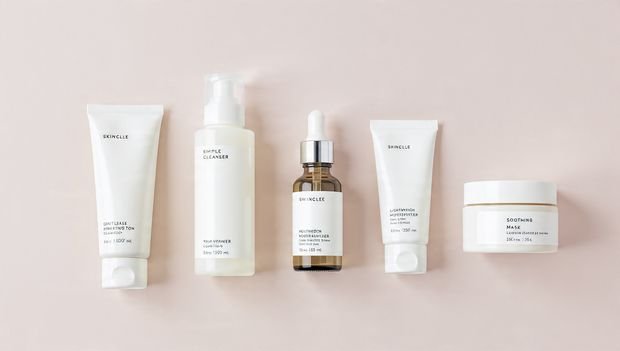
Cleansing is the foundation of any skincare routine, especially for oily skin. However, over-cleansing can backfire and make your skin produce even more oil.
How to Do It Right:
Wash your face twice a day — once in the morning and once before bed. Use a gentle foaming or gel-based cleanser that removes dirt and excess oil without drying your skin. Avoid cleansers with alcohol or harsh sulfates.
Recommended Ingredients:
- Salicylic acid: Helps unclog pores and control acne.
- Niacinamide: Balances oil production and reduces redness.
- Tea tree oil: Has natural antibacterial properties.
If you wear makeup or sunscreen daily, double cleansing at night can make a big difference. Start with a micellar water or cleansing balm, then follow with your foaming cleanser.
Step 2: Exfoliate Two to Three Times a Week

Exfoliation removes dead skin cells that clog pores and make your skin look dull. For oily skin, this step is essential to keep pores clear and prevent blackheads.
Types of Exfoliation:
- Chemical exfoliants: Use acids such as salicylic acid (BHA) that penetrate deep into pores and dissolve oil.
- Physical exfoliants: Gentle scrubs that polish the surface (use sparingly).
How to Exfoliate:
- Start with a clean face.
- Apply a small amount of exfoliant and massage gently in circular motions for 30–60 seconds.
- Rinse with lukewarm water and pat dry.
- Follow with toner and moisturizer.
Avoid exfoliating more than three times a week to prevent irritation and over-drying.
Step 3: Use a Balancing Toner

Toner helps remove leftover impurities, tighten pores, and restore your skin’s natural pH level after cleansing. It is especially useful for oily and acne-prone skin.
Best Toner Ingredients for Oily Skin:
- Witch hazel: A natural astringent that minimizes shine and tightens pores.
- Niacinamide: Balances oil and brightens the skin.
- Green tea extract: Soothes irritation and provides antioxidants.
- Salicylic acid: Helps prevent acne by keeping pores clear.
How to Apply:
Use a cotton pad or your hands to gently pat the toner onto your skin. Focus on your T-zone (forehead, nose, and chin), as these areas tend to be the oiliest. Let it absorb completely before moving on to your next step.
Step 4: Moisturize – Even Oily Skin Needs It
A common mistake people make is skipping moisturizer because they think it will make their skin more oily. In reality, not moisturizing can cause your skin to produce even more oil to compensate for the dryness.
Choosing the Right Moisturizer:
Go for a lightweight, oil-free, and non-comedogenic formula that won’t clog pores.
Ideal Ingredients:
- Hyaluronic acid: Provides deep hydration without adding grease.
- Aloe vera: Calms the skin and controls shine.
- Niacinamide: Balances oil production and improves texture.
Apply moisturizer twice daily — in the morning after cleansing and toning, and at night before bed. Your skin will stay hydrated and balanced throughout the day.
Step 5: Always Use Sunscreen

Sunscreen is essential every single day, even if you spend most of your time indoors. Sun exposure not only damages the skin but can also trigger excess oil production and premature aging.
How to Choose the Right Sunscreen:
- Look for SPF 30 or higher.
- Choose oil-free, gel-based, or matte finish sunscreens.
- Ensure it is labeled non-comedogenic so it won’t clog pores.
Sunscreen should be the last step of your morning routine. Reapply every few hours if you are outdoors for long periods.
Additional Tips for Controlling Oily Skin

A few extra habits can go a long way in keeping oil under control.
- Use blotting papers to gently absorb oil during the day.
- Avoid touching your face frequently.
- Use a clay mask once a week to detox your skin.
- Stay hydrated and drink plenty of water.
- Maintain a healthy diet with less sugar and oily food.
Morning and Night Routine Summary

If you’re unsure how to organize your skincare steps, here’s a simple structure.
Morning Routine:
- Cleanser
- Toner
- Lightweight serum (optional)
- Oil-free moisturizer
- Sunscreen
Night Routine:
- Makeup remover or cleansing balm
- Foaming cleanser
- Toner
- Exfoliant (2–3 times a week)
- Lightweight night moisturizer or gel cream
Common Mistakes People Make with Oily Skin
Even the best products can’t help if you’re making these common mistakes:
- Using alcohol-based or harsh cleansers
- Washing your face too frequently
- Skipping moisturizer and sunscreen
- Using too many heavy skincare products at once
- Sleeping with makeup on
Keep your routine simple, gentle, and consistent for the best results.
Home Remedies to Control Oily Skin
If you prefer natural skincare, here are some home remedies that can complement your routine.
Aloe Vera Gel:
Apply a thin layer of pure aloe vera gel before bedtime. It hydrates the skin and balances oil production.
Honey Mask:
Honey has natural antibacterial and soothing properties. Apply a thin layer to your face, leave it on for 15 minutes, and rinse with lukewarm water.
Lemon and Cucumber Mix:
Combine equal parts lemon and cucumber juice. Apply using a cotton pad, leave for 10 minutes, and rinse off. This helps tone and refresh the skin.
Green Tea Toner:
Brew green tea, let it cool, and use it as a toner. It helps calm the skin and reduce oil buildup.
Conclusion
Managing oily skin doesn’t have to be complicated. The secret lies in creating balance — giving your skin the hydration it needs while controlling excess oil.
By following this simple 5-step routine — cleanse, exfoliate, tone, moisturize, and protect — you can keep your skin clear, fresh, and matte throughout the day.
Remember, oily skin isn’t a flaw. With consistent care, the right products, and a few healthy habits, you can achieve the smooth, radiant complexion you’ve always wanted. The key is patience and consistency. Follow this easy routine, and your skin will thank you in just a few weeks.