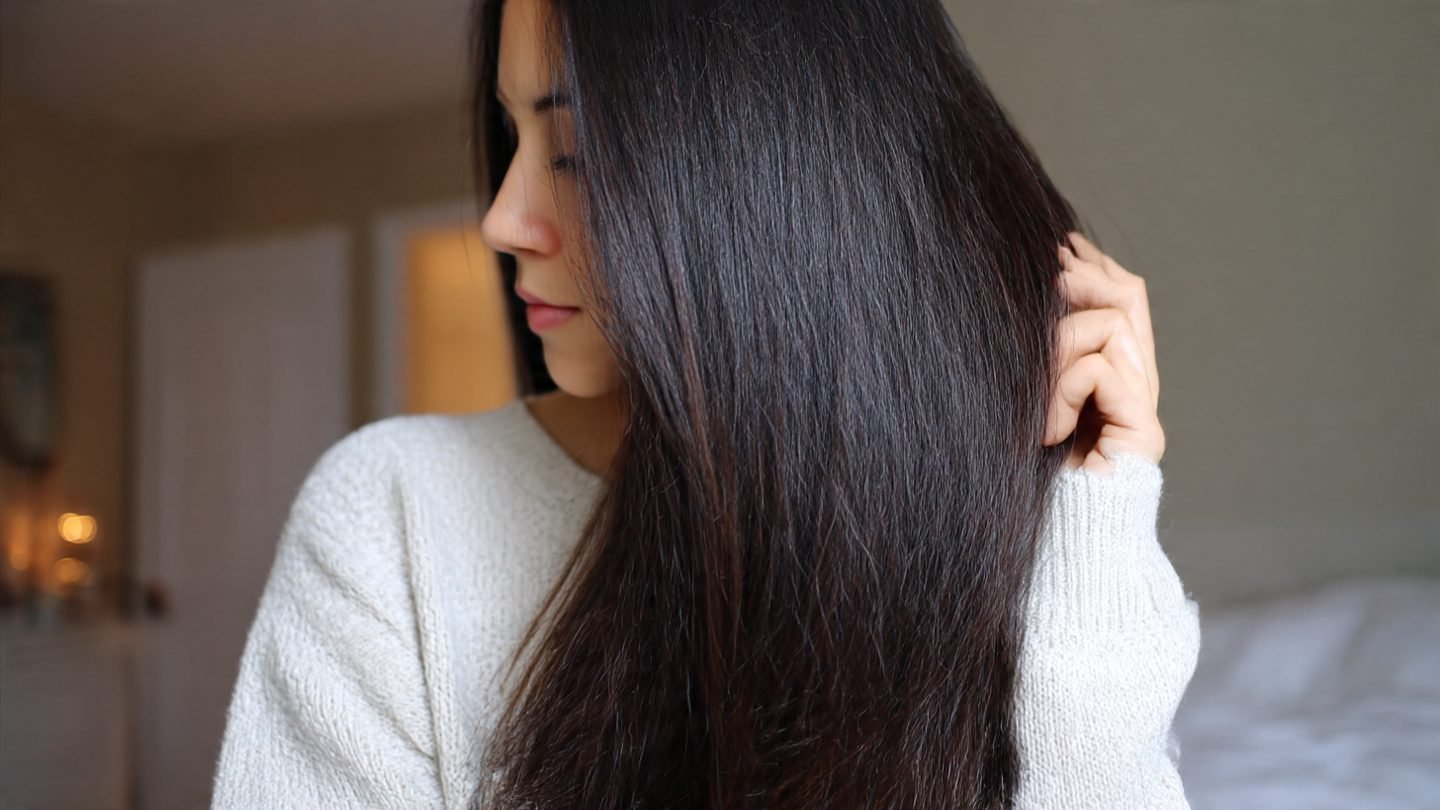
Easy Hair Straightening Routine for Cold Weather

Cold weather can be a challenge for hair styling—especially if you’re aiming for sleek, straight hair. The cold, dry air outside, plus indoor heating, can make hair frizz-prone, static-ridden and lifeless. But with the right routine, you can achieve smooth, straight hair even in chillier months. In this article we’ll walk through why cold weather affects hair straightening, what preparation and routine steps to follow, and how to maintain your straight look through the season.
1. Why Cold Weather Makes Straightening More Challenging
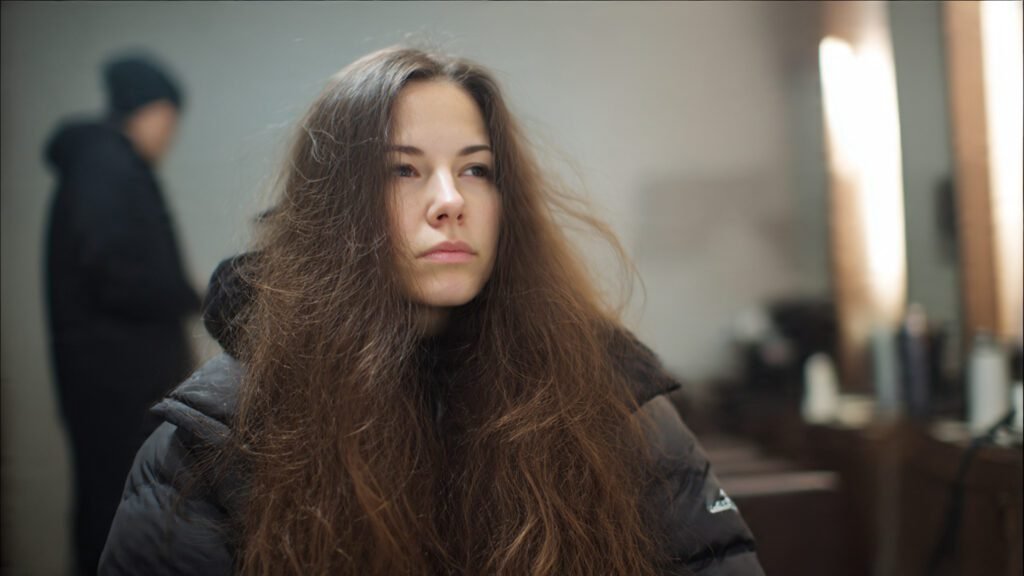
1.1 Dry Air & Static
During cold weather, the air outdoors is often dry and indoor heating further lowers humidity. Dry air causes hair cuticles to lift, making hair more likely to become static, frizz and lose the smoothness that straight styles depend on.
1.2 Frequent Hat/Scarf Use
When you wear hats, scarves or high collars, your straightened hair can get compressed, squashed or rubbed, which means the smooth shape you created may lose its polish by the end of the day.
1.3 Temperature Transitions
Moving from cold outdoors into warm indoors (or vice versa) means hair is exposed to contrasting environments. The shift can affect how products behave on hair, how moisture is retained and how the hair cuticle behaves—making the straightened look harder to maintain.
1.4 Heat Styling Risks
Because straightening often involves heat tools, doing so in winter without proper protection can exacerbate damage. The hair’s already low moisture content makes it more vulnerable to heat-induced dryness and breakage.
Understanding these obstacles helps in crafting a routine that overcomes them.
2. Preparation: The Step Before Straightening

2.1 Deep Conditioning or Moisture Treatment
Before you straighten, it’s ideal to give your hair a hydration boost. Use a rich hair mask or deep conditioner designed for dry or heat-styled hair. This adds moisture and helps protect the hair shaft from the stress of straightening under winter conditions.
2.2 Gentle Blow-Drying or Air Drying
Once you’ve conditioned, gently towel blot your hair and then dry it using a blow-dryer on a moderate heat (or air dry partially) to avoid excess damage. Straightening damp hair may cause uneven results or extra damage.
2.3 Apply a Heat Protectant
Prior to using flat irons or straighteners, apply a good heat protectant. This layer acts as a barrier, especially important in winter when hair is less resilient. It will help maintain smoothness and reduce the risk of damage.
3. The Straightening Routine: Step-by-Step

Step 1: Section Your Hair
Divide your hair into manageable sections—typically top, middle and bottom layers. Working in smaller sections ensures you apply heat evenly and reduce the number of passes needed, which is healthier for your hair.
Step 2: Use the Right Tool & Temperature
Select a flat iron or straightener that has adjustable temperature settings. For most hair types in winter, a moderate heat (not maximum) is better because your hair may already be more brittle from dryness. Also ensure your tool has ceramic or tourmaline plates to help smooth the hair shaft.
Step 3: Straighten Each Section Smoothly
Starting from the roots (but not too close to the scalp) glide the straightener down each section in one or two smooth passes. Avoid going over the same section multiple times if possible. Keep the speed consistent and avoid letting the tool sit in one spot too long.
Step 4: Finish with a Smoothing or Shine Product
Once all sections are straightened, apply a lightweight serum or smoothing cream—focusing on mid-lengths and ends. This locks in the sleek look, adds gloss and helps combat frizz or static that may develop in colder climates.
4. Winter Maintenance for Straight Hair
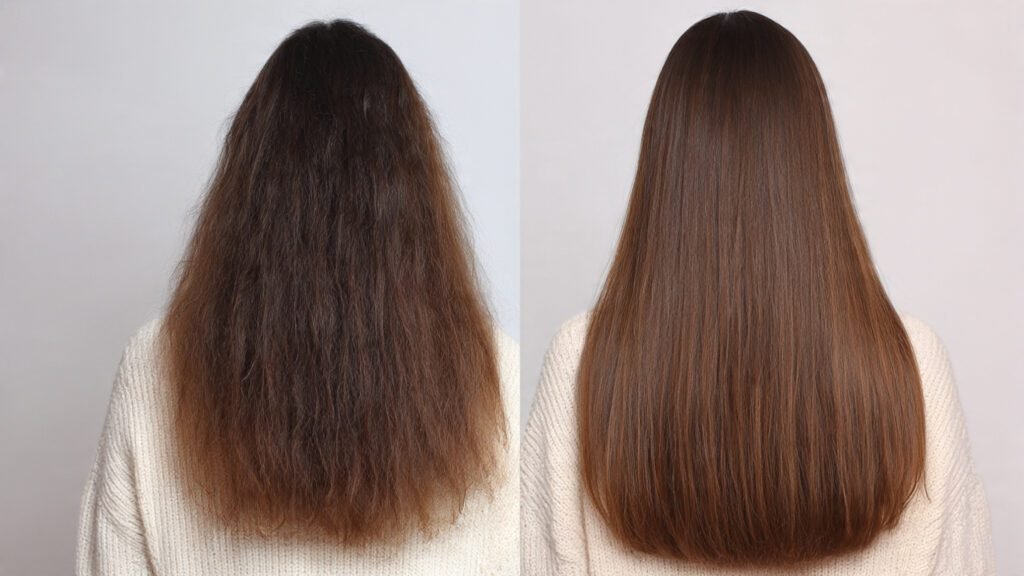
4.1 Use a Silk or Satin Pillowcase
Sleeping on cotton can cause friction which jeopardizes your straight style overnight. A silk or satin pillowcase helps maintain smoothness, reduces friction and prevents hair from getting re-shaped by cold nighttime air or indoor heating.
4.2 Protect Hair When Outdoors
When you go outside, wear a beanie or scarf—preferably lined with smooth fabric so it doesn’t rough up your hair surface. Before putting on a hat, you can lightly mist a finishing spray or anti-static product to preserve the sleekness.
4.3 Avoid Over-Washing & Use Leave-In Treatments
In winter, washing hair daily may strip the natural oils that help in keeping straight hair looking healthy. Try to limit washes to every 2-3 days (depending on your hair type), and on off-wash days use a leave-in conditioner or lightweight oil on the ends.
4.4 Touch-Up (If Needed)
If your straight hair starts to lose shape mid-day, you can do a quick touch-up: section a small part, apply a tiny bit of smoothing serum, then gently glide the flat iron once. Only do minimal touch-ups to avoid excessive heat exposure.
4.5 Trim & Condition Regularly
Straight hair shows split ends more easily, especially in winter with added stress from hats, scarves and static. Regular trims (every 8-12 weeks) and weekly deep-conditioning treatments keep ends looking fresh and your straight style elegant.
5. Troubleshooting Common Issues

5.1 Frizz or Fly-Aways After Straightening
If you notice frizz creeping in after just a few hours, try using a tiny amount of anti-frizz serum or smoothing balm on the outer layer of your hair. Also check that your straightener plates are clean and gliding smoothly — residue or buildup can interfere with smooth finish.
5.2 Static Build-Up
Static is more common in cold, dry weather and can undermine straight styles. To combat it: use a humidifier indoors if possible, avoid rubbing your hair against coarse fabrics, and mist a light anti-static spray before heading out.
5.3 Hair Looks Flat or Lifeless
If your straight hair loses volume under hats or heavy scarves, try lifting your roots when blow-drying (before straightening) and apply a root-lift or light volumising spray. Straightening afterward will help keep the shape while giving a bit more body.
5.4 Ends Look Dry or Damaged
The ends of your hair are typically the oldest and most exposed part. In winter, they may dry out faster. Use an intensive hair mask each week, and consider sealing ends with a drop of nourishing oil after your straightening routine.
Conclusion
Achieving and maintaining a sleek, straight hairstyle in cold weather is entirely possible with the right routine. The key lies in preparation, careful straightening, and smart maintenance. By deep-conditioning, using heat protectants, sectioning your hair properly, applying the right tools and products, and following gentle winter-friendly habits, you’ll keep your hair smooth, shiny and straight throughout the chilly season. So gear up for the cold, and enjoy your polished look—without compromising hair health.