Best Color Combinations for Stylish Outfits
Color is one of the most powerful tools in fashion — it sets the mood of an outfit, draws attention to the wearer, and can elevate even simple pieces into something striking. But knowing which colors look good together, and how to combine them in a way that feels modern and stylish, is the key. In this article we’ll explore top color-combination strategies, break down specific pairing ideas you can use right away, and give tips on how to adapt them to your wardrobe, skin tone and personal style. Whether you’re dressing for everyday wear, a smart-casual event or just want to refresh your color game — this guide is for you.
1. Understanding the Basics of Color Pairing

1.1 Color Wheel Basics & Harmony
The color wheel remains the foundational tool for understanding how colors relate to each other.
- Complementary colors are directly opposite each other on the wheel (e.g., navy & rust, teal & coral). They create strong contrast and dynamic looks.
- Analogous colors sit next to each other on the wheel (e.g., olive, moss, forest green). These combos feel harmonious and calming.
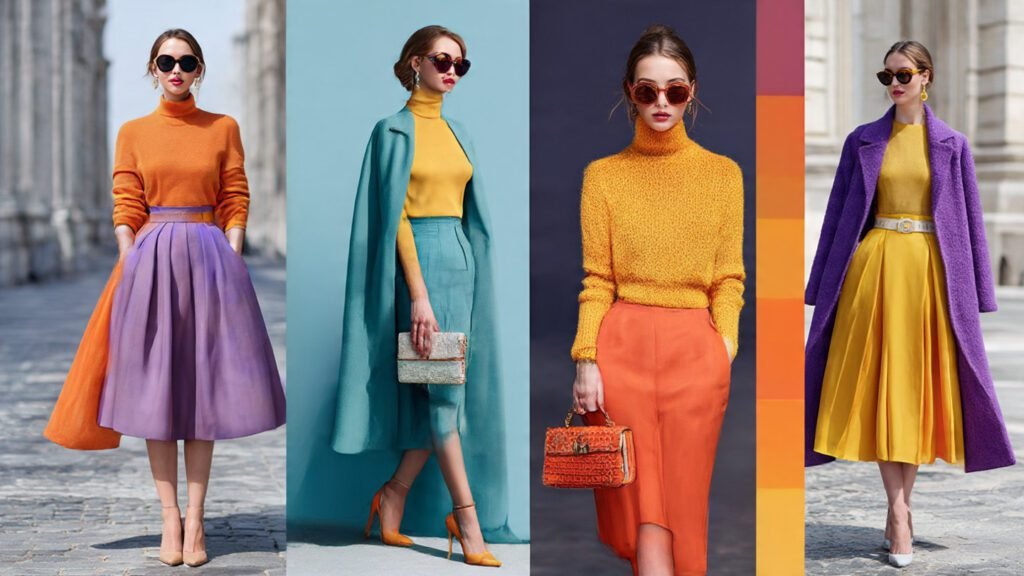
- Triadic or split-combinations use three colors spaced evenly (like mustard + teal + maroon) to add vibrancy while maintaining balance.
Understanding these relationships helps you make intentional, stylish combinations rather than random mixing.
1.2 Consider Mood & Context
Color combinations aren’t just aesthetic — they communicate mood.
- Neutral pairs (black + grey, beige + white) feel sleek, timeless.
- Bold contrast pairs (bright red + cobalt blue) feel energetic and trend-forward.
- Muted/harmonious pairs (dusty rose + mauve, sage + olive) feel relaxed, refined.
Think about the setting: a casual errand day might call for soft neutrals; a weekend outing might welcome a pop of color; an event may allow more daring combinations.
1.3 Adapt to Your Palette & Skin Tone
While rules exist, personal variables matter: your skin undertone, hair colour, and even the environment (lighting, season) can influence how a colour reads.
- Cooler skin-undertones often suit jewel tones (emerald, sapphire) or icy pastels.
- Warmer undertones pair well with earthy tones (terracotta, mustard, olive).
- Pick colours that feel good on you, then use combination theory to build around them.
2. Stylish Color Combinations to Try Now

Here are some curated combinations — tried and true, yet with room for personal adaptation:
2.1 Mustard + Navy
This pairing is both classic and modern. The deep blue acts as a stable base, while mustard adds warmth and visual interest. Think navy trousers + mustard sweater, or a navy coat with mustard accessories. The contrast is strong but not overwhelming.
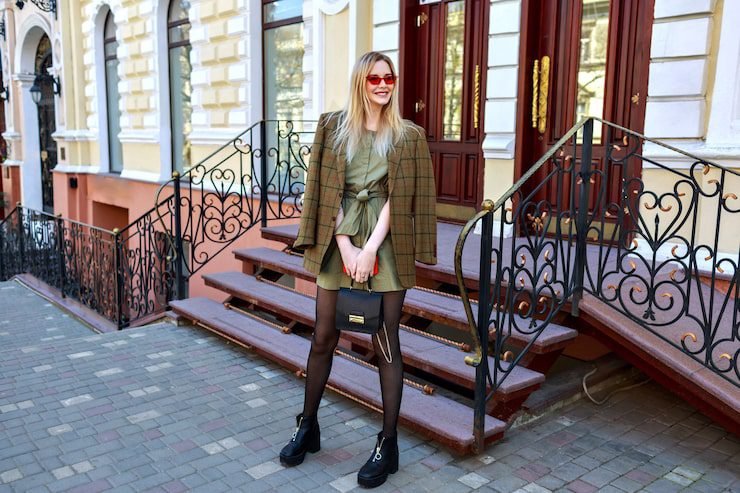
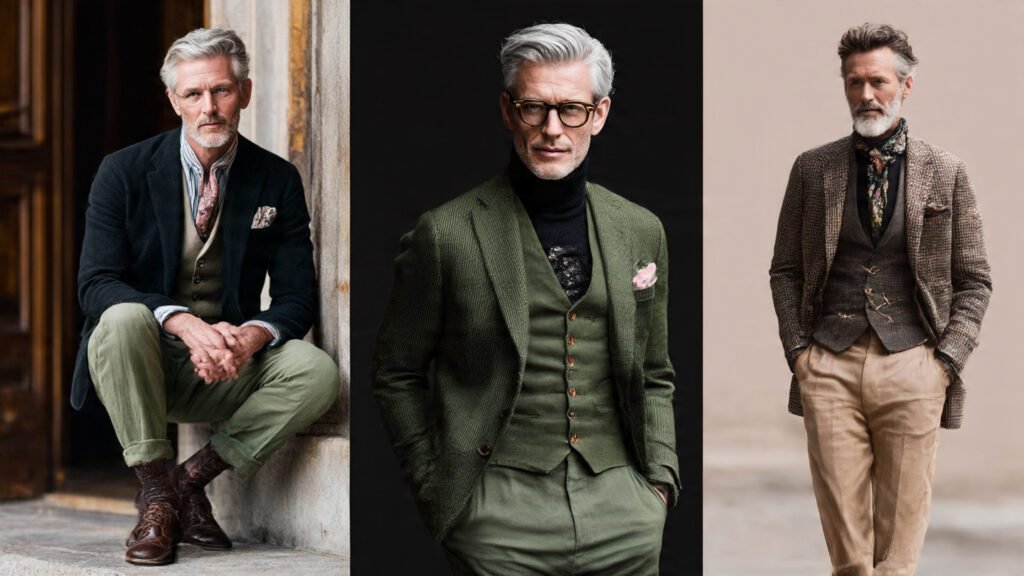
2.2 Olive + Rust or Terracotta
Olive (green) plus rust/terracotta (warm orange-brown) gives an autumnal-inspired palette that works year-round. It’s grounded, earthy, and feels high fashion when done right. Try olive chinos + terracotta jacket or rust shirt + olive outerwear.
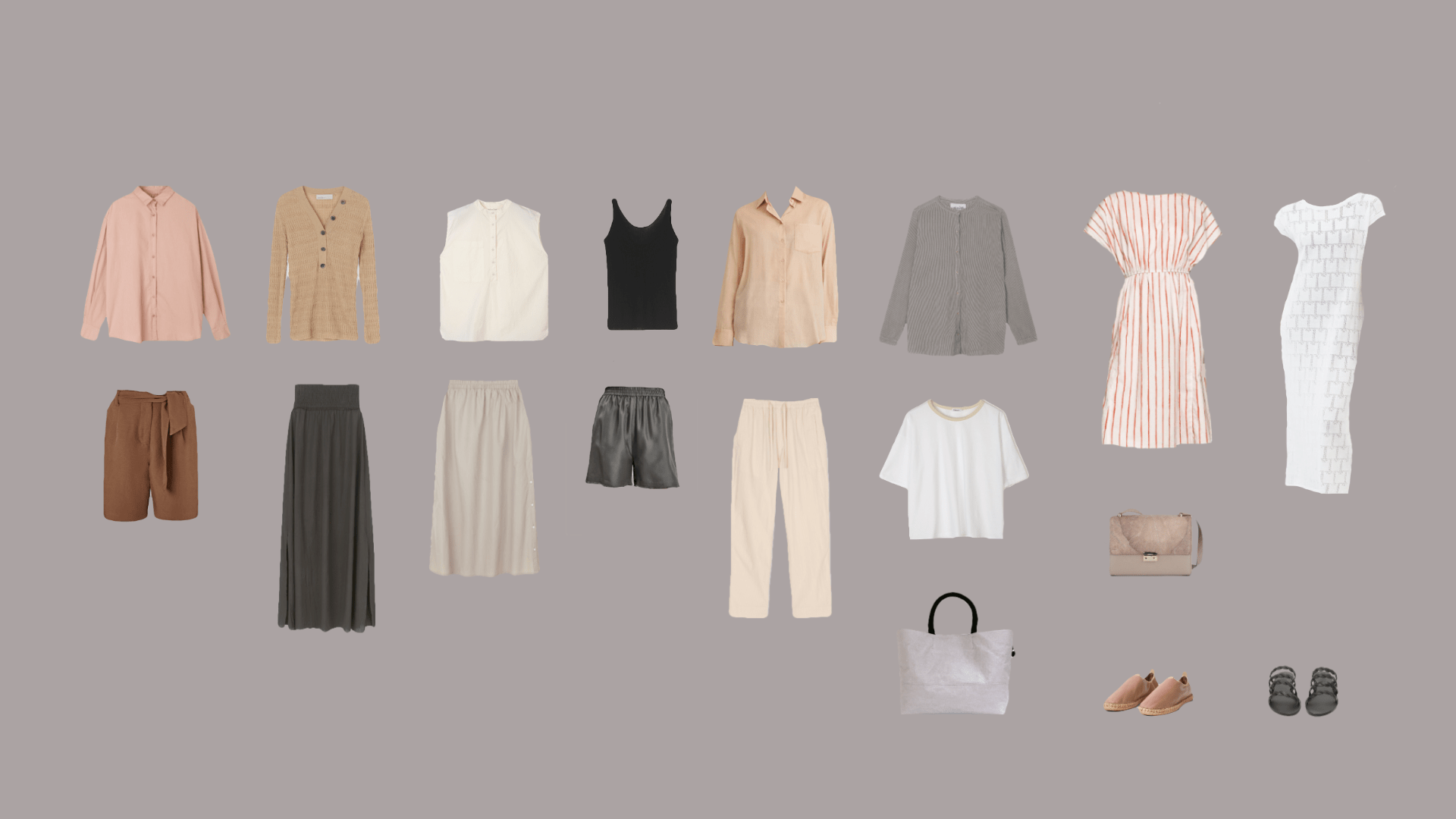
2.3 Monochrome Neutrals (Beige, Cream, White)
Monochrome neutral outfits are sleek, easy, and visually elongating. Pair varying shades of beige, cream and white — perhaps a cream knit with beige trousers and off-white coat. This combination creates a clean, cohesive look with minimal colour drama.
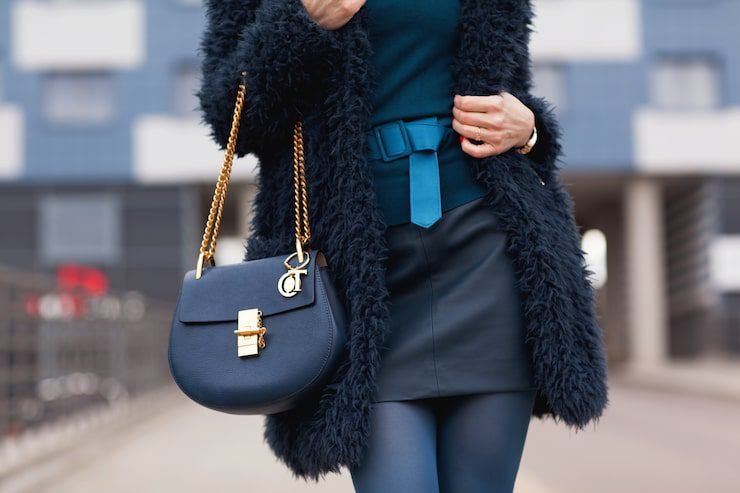
2.4 Teal or Aqua + Burnt Orange/Coral
For a more vibrant yet wearable combination, teal or aqua paired with burnt orange or coral creates a lively contrast. The coolness of teal balances the warmth of coral, making for eye-catching but sophisticated outfits. Consider a teal blouse + coral handbag or coral sweater + teal trousers.
2.5 Black + Deep Burgundy/Wine
For dressier occasions or smart-casual looks, black + deep burgundy or wine is a refined duo. The dark red adds richness and a hint of colour without distracting from the outfit’s sophistication. A black blazer + wine shirt or wine dress with black boots are strong choices.
3. How to Build Looks Using These Combinations
3.1 Start With a Base Piece
Choose one garment as the base — often neutral or one of the tones in your palette. For instance, a navy overcoat, olive shirt, or cream sweater. That base anchors your look and allows other colours to shine.
3.2 Add the Accent Colour
Once your base is selected, introduce the second colour as an accent. This might be a top, outerwear, trousers, or accessory (bag, shoes, scarf). The idea is to balance the dominant colour with a supporting one.
3.3 Pay Attention to Proportions & Texture
- If using a bold colour combination (like teal + burnt orange), keep the pieces simple — less pattern, cleaner cuts, to avoid visual clutter.
- Texture matters: mix matte and soft textures (knit, cotton) with subtle shine (leather, suede) to add depth.
- Proportionally, if the accent colour piece is large (trousers, coat), keep other pieces smaller or more subtle.
3.4 Accessorise Thoughtfully
Accessories are a great way to introduce or reinforce the secondary colour without overpowering. A rust handbag, mustard beanie, teal sneakers, or burgundy scarf can elevate the entire look. Also consider metallics: gold pairs beautifully with warm tones; silver complements cooler tones.
3.5 Adapt for Seasons
- Spring/Summer: Keep colours brighter and combine with lighter neutrals and fabrics.
- Fall/Winter: Use richer, deeper tones (olive, rust, burgundy) and layer textures (wool, suede).
- Adjust accessories and outerwear accordingly.
4. Common Pitfalls & How to Avoid Them

4.1 Overwhelming Too Many Colours
Trying to combine three or four bold colours at once can look chaotic. If you’re using a bold palette (like teal + coral), keep the rest of your outfit in neutrals (white, black, beige) to avoid overload.
4.2 Ignoring Skin Tone & Undertone
Two people might wear the same colour combination but have very different results because of skin tone. If a particular colour washes you out, either swap it for a lighter/darker shade or make it the accent piece rather than the dominant one.
4.3 Neglecting Harmony With Your Style
Colour combinations should reflect you. If you prefer minimalist silhouettes, avoid patterns and keep colour blocks clean. If your style is more bohemian, you might incorporate muted versions of these combinations with printed scarves or layered textures.
4.4 Forgetting the Role of Neutrals
Neutrals aren’t just “safe colours” — they are essential in balancing bolder combinations. A bold accent colour works best when offset by a neutral base; otherwise the outfit can look ungrounded.
5. Practical Tips for Everyday Colour Styling
5.1 Build a Capsule Palette
Choose 2-3 primary neutrals (black, navy, beige) + 2 accent colours you love and that suit you (rust, teal, mustard). This makes dressing easier and ensures combinations remain cohesive.
5.2 Use Colour to Refresh Basics
If you have staple pieces (jeans, white shirt, blazer) you wear often, refresh your looks by changing one key piece colour — swap black coat for russet, or navy pants for moss green.
5.3 Use Accessories to Try New Combinations
If you’re unsure about a bold colour combination, try it via accessories: a teal bag or rust belt. If you like how it looks, you can incorporate the colours into larger pieces next time.
5.4 Mind Lighting & Photo Considerations
Colours can appear differently indoors, outdoors, under artificial light. If you’re going out in the evening, test your colour pairing under similar lighting or in a mirror to ensure the tones still work.
5.5 Maintain & Coordinate Shoe & Bag Colours
Often overlooked: shoes and bags. Matching or complementing the accent colour (or balancing the palette) ensures your outfit feels polished. For example, if you choose navy + mustard, a pair of mustard sneakers or navy bag can tie the look together.
Conclusion
Mastering stylish colour combinations elevates your wardrobe from good to great. By understanding colour theory basics, choosing pairings like mustard & navy, olive & rust, or teal & burnt orange, and applying them thoughtfully through base pieces, accents and accessories — you’ll consistently look coordinated and confident. Remember: the best colour combinations aren’t just about pleasing visuals — they reflect your personal style, flatter your tone, and adapt to your lifestyle. Experiment, enjoy the process, and let colour become one of your strongest fashion tools.