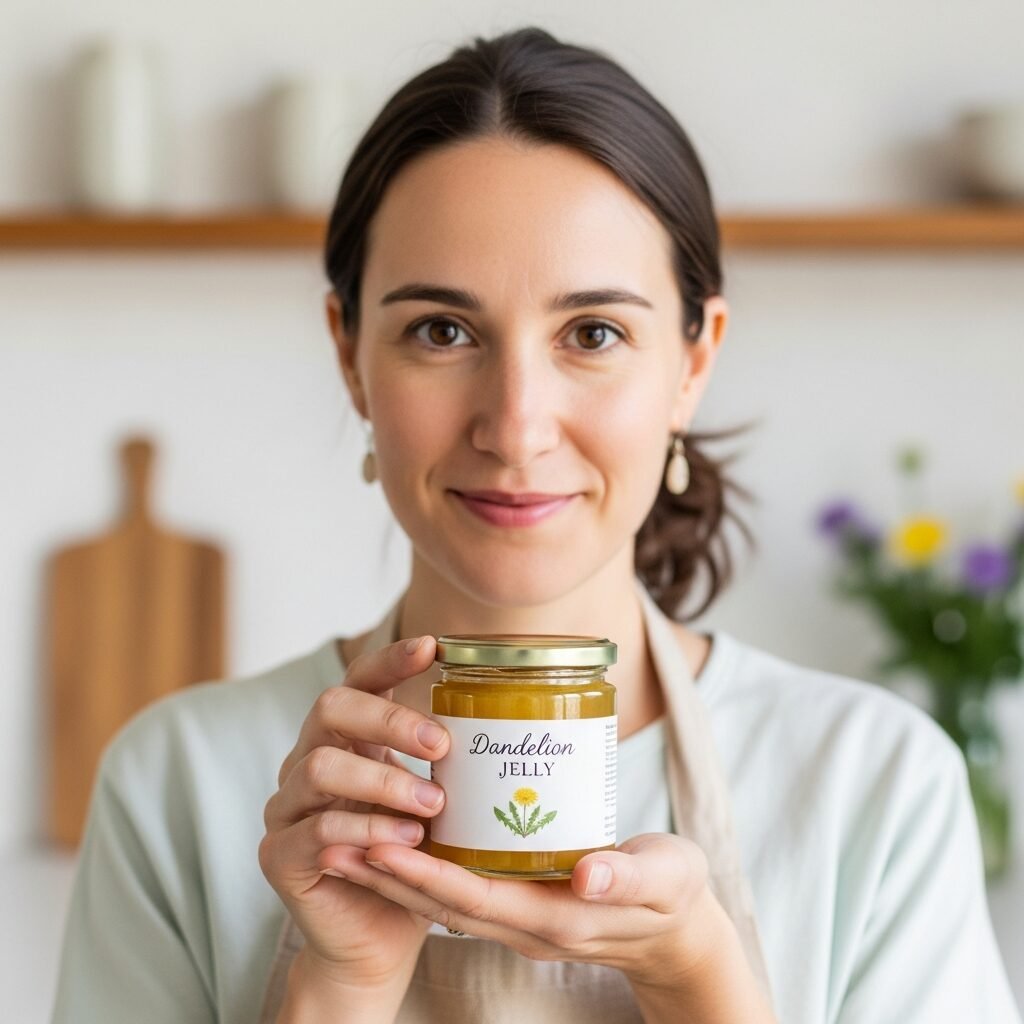
Dandelion jelly is often referred to as liquid sunshine due to its vibrant golden hue and its delicate, honey-like flavor profile. While many gardeners view dandelions as mere weeds, culinary enthusiasts recognize them as a versatile ingredient capable of producing a sophisticated preserve. Foraging for these bright yellow blossoms provides a sustainable way to bring the essence of spring into your kitchen. This guide explores ten unique variations of dandelion jelly, ranging from the traditional classic to innovative botanical blends. Each recipe focuses on capturing the light , floral notes of the petals while ensuring a perfect set. By following these professional techniques, you can transform a backyard nuisance into a gourmet spread that rivals the finest artisanal jams.
1. The Classic Golden Dandelion Jelly
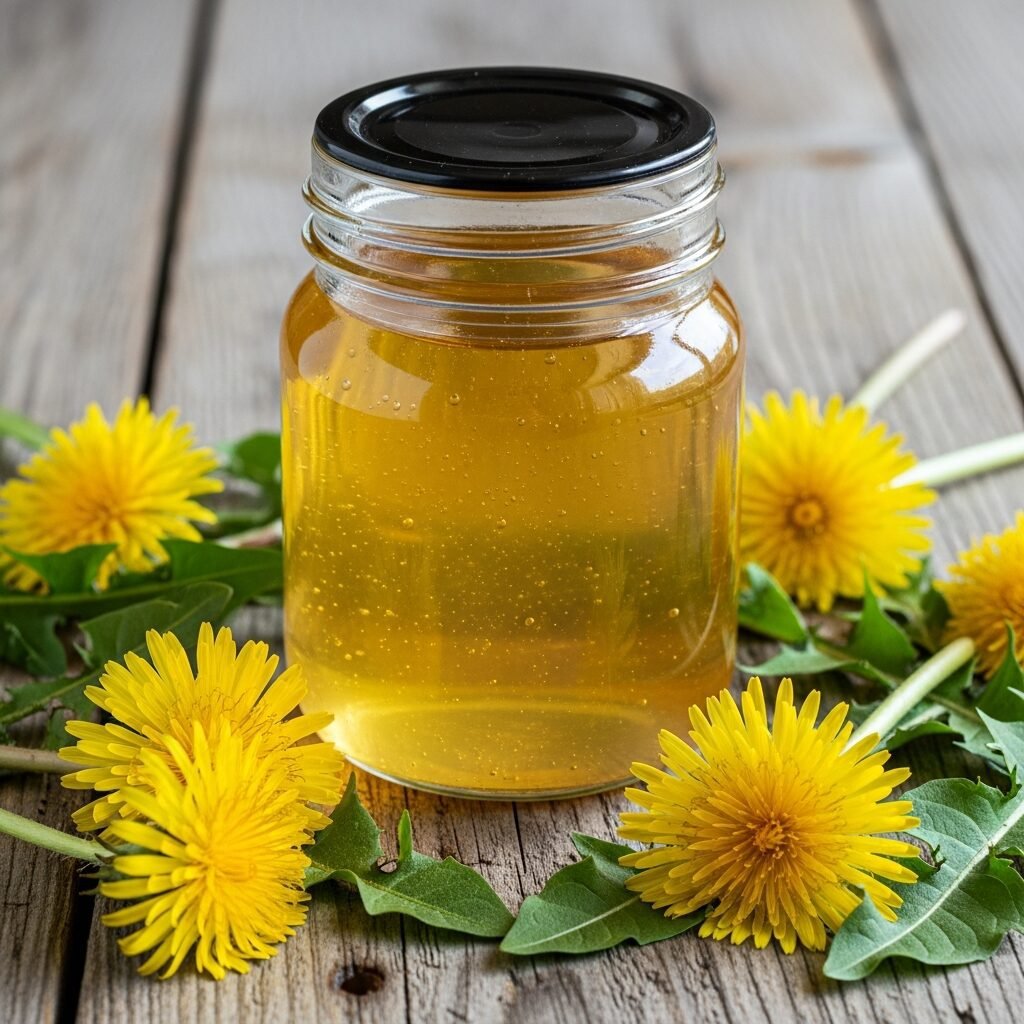
The foundational recipe for dandelion jelly relies on a concentrated dandelion tea made from the yellow petals only. To achieve the best results, harvest the flowers in full sun when they are completely open. Remove all green parts, as they introduce a bitter flavor. Boil the petals in water and let them steep overnight to extract maximum flavor. The resulting liquid is then combined with lemon juice, liquid pectin, and granulated sugar. The result is a clear, amber-colored jelly that tastes remarkably like light honey with a hint of wildflower. This classic version is the perfect introduction for anyone new to floral preserves.
2. Meyer Lemon and Dandelion Infusion
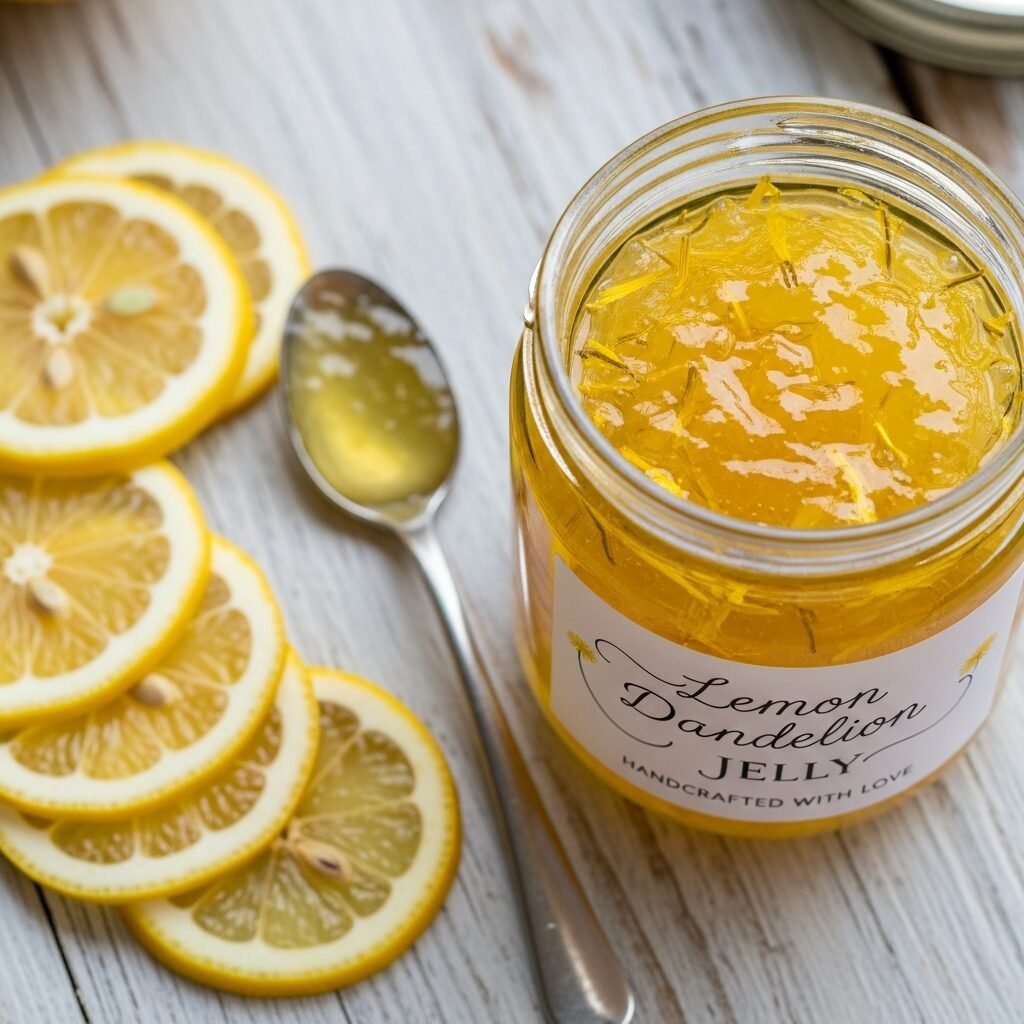
Using Meyer lemons instead of standard lemons adds a sweeter, more complex citrus layer to the dandelion base. Meyer lemons are a hybrid between a citron and a mandarin, offering a less acidic profile that complements the floral notes of the dandelion perfectly. For this recipe , zest the lemons into the dandelion tea during the steeping process. The addition of the zest provides essential oils that enhance the aroma. This variation is particularly popular for afternoon tea, as it pairs beautifully with warm scones and clotted cream.
3. Honey Sweetened Dandelion Preserve
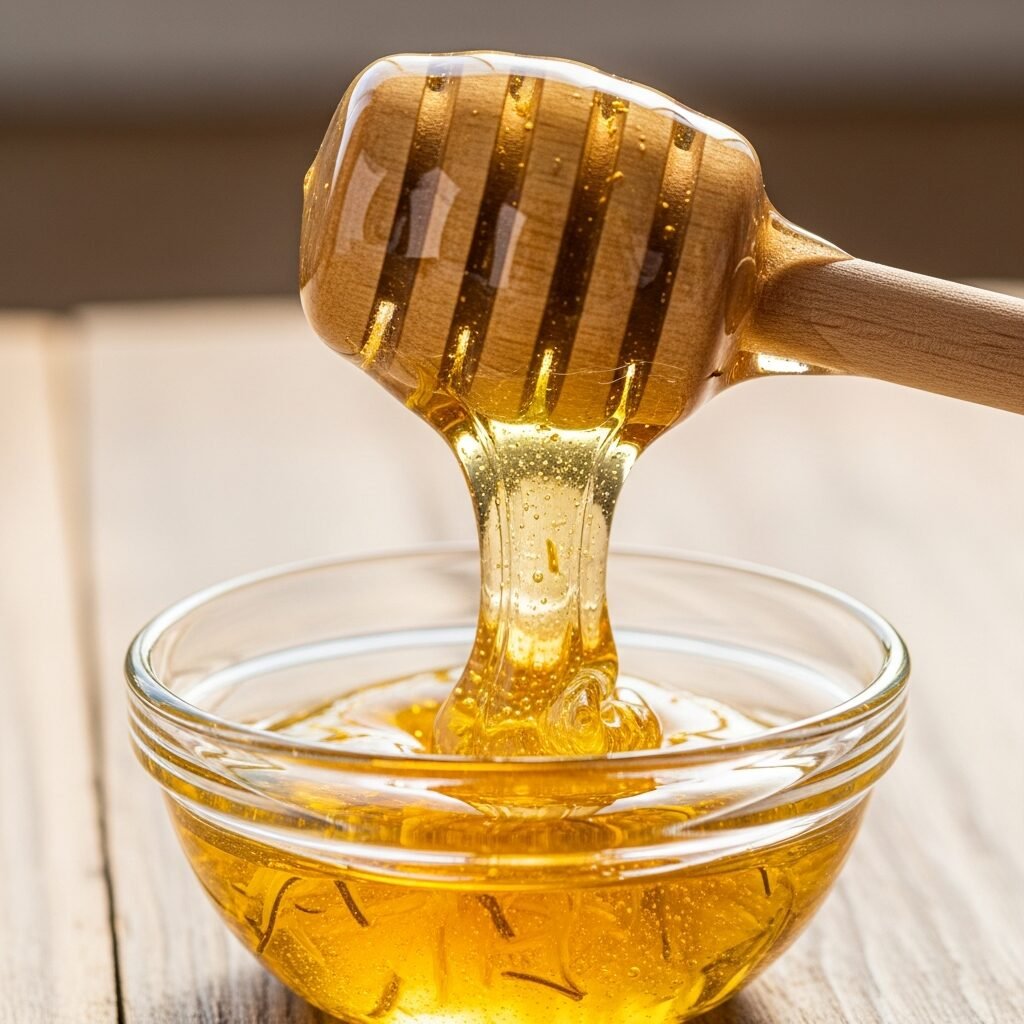
For those looking to avoid refined white sugar, substituting local honey creates a rich, deeply flavored preserve. Since dandelions naturally possess a honey-like flavor, using real honey intensifies the floral characteristics. It is important to use a mild honey, such as clover or wildflower, so as not to overpower the delicate dandelion notes. When cooking this version, you may need to adjust the pectin levels, as honey behaves differently than granulated sugar during the boiling process. This recipe results in a darker, more opaque jelly with a silky texture.
4. Vanilla Bean Dandelion Jelly
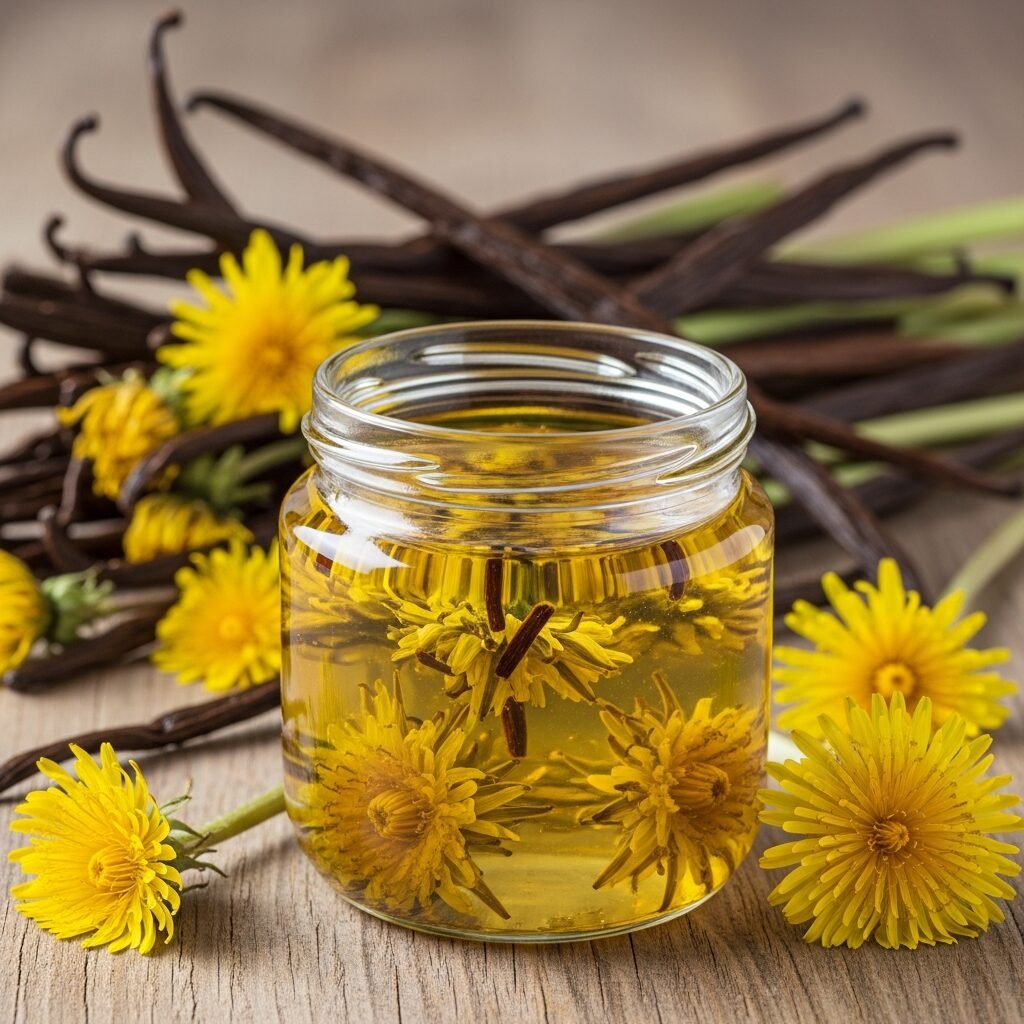
Adding a whole vanilla bean to the dandelion infusion process introduces a creamy, dessert-like quality to the jelly. Slice the vanilla bean lengthwise and scrape the seeds into the dandelion tea before boiling. The warmth of the vanilla rounds out the sharpness of the lemon and provides a sophisticated finish. This jelly is exceptional when used as a filling for sponge cakes or drizzled over high-quality vanilla bean ice cream. The tiny black vanilla specks suspended in the golden jelly also add a beautiful visual element to the final product.
5. Spiced Ginger and Dandelion Blend
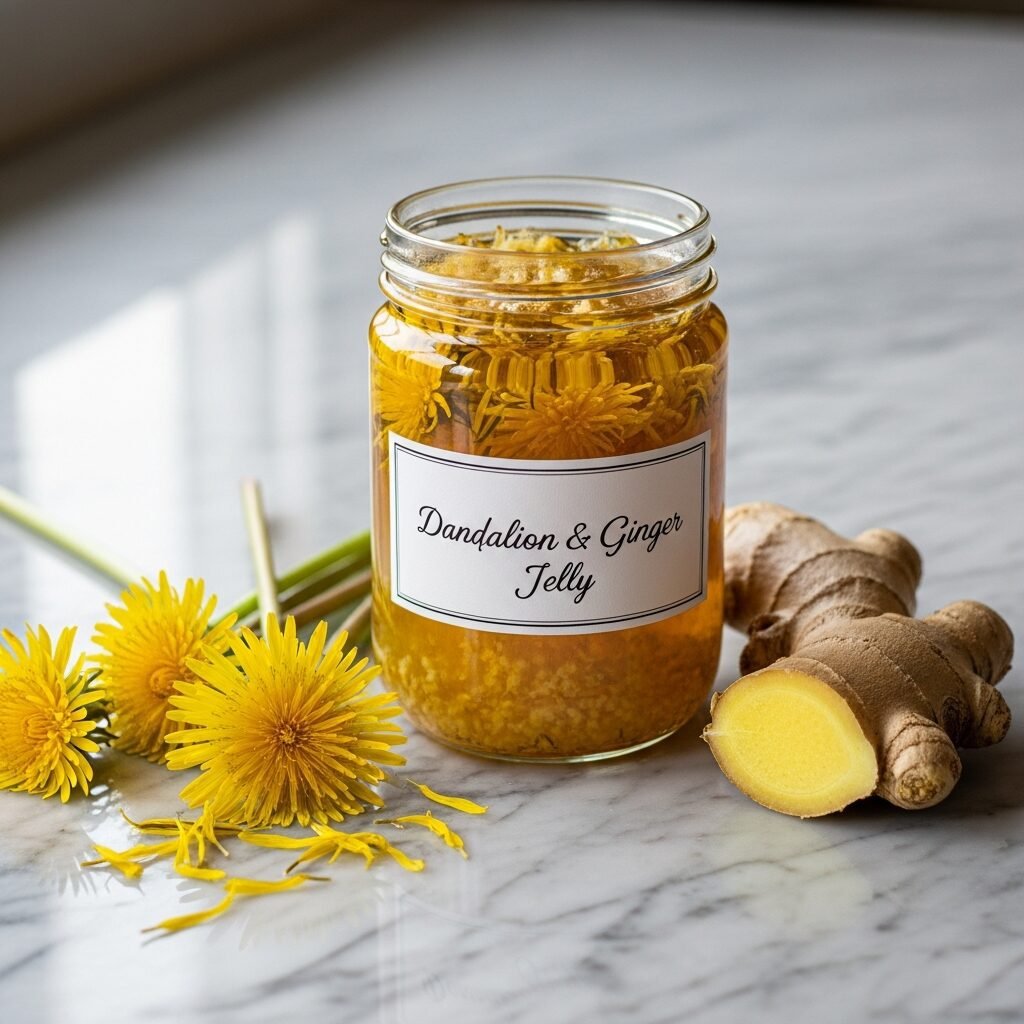
If you prefer a jelly with a bit of a kick, adding fresh ginger root to the dandelion steeping liquid is an excellent choice. The spicy heat of the ginger cuts through the sweetness of the jelly, creating a balanced and refreshing flavor profile. Grate about one inch of fresh ginger into the dandelion petals before adding hot water. This version is not only delicious on toast but also serves as a fantastic glaze for roasted carrots or grilled chicken. It offers a modern twist on the traditional floral recipe.
6. Hibiscus Dandelion Pink Jelly
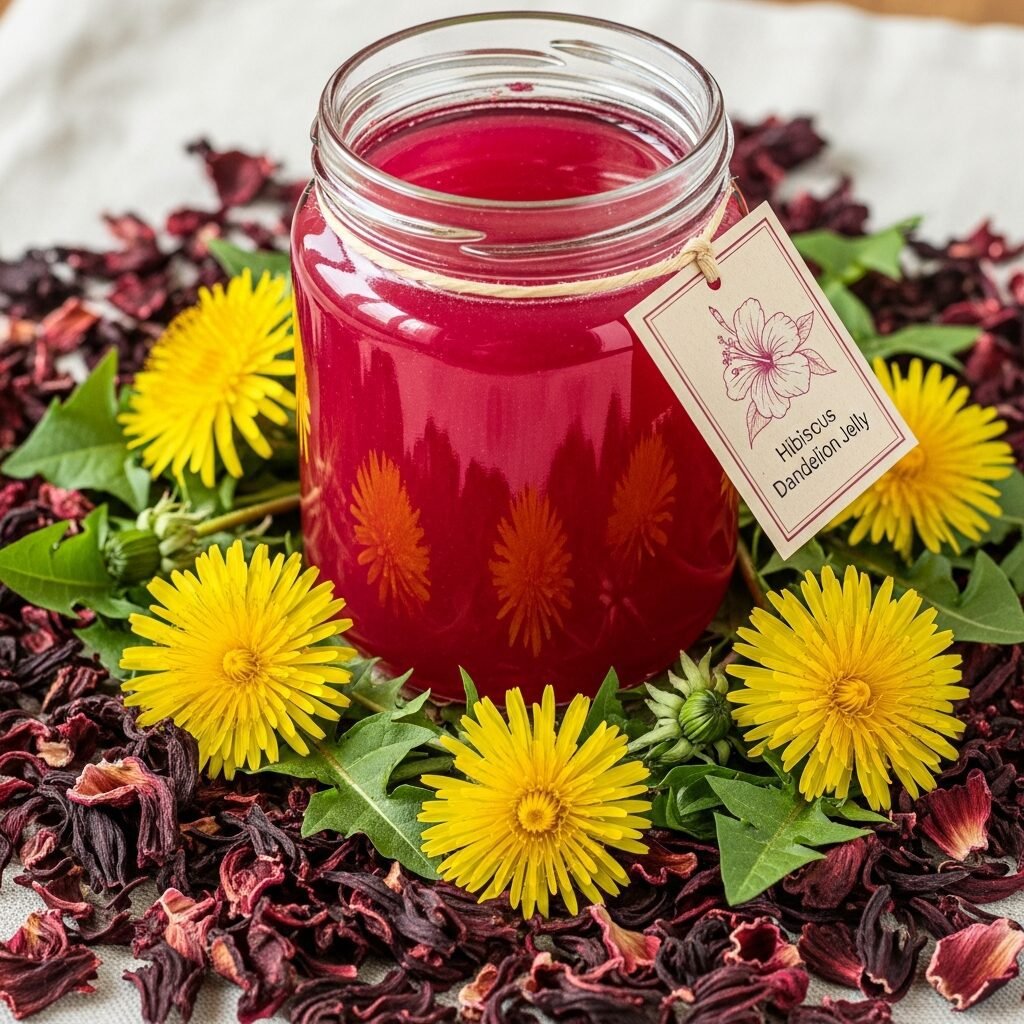
For a visually stunning variation, add a handful of dried hibiscus flowers to your dandelion tea. The hibiscus will turn the jelly a deep, vibrant pink or ruby red while adding a pleasant tartness similar to cranberry. This acidity balances the floral sweetness of the dandelions. The combination of the two botanicals results in a complex flavor that is both floral and fruity. This recipe is highly recommended for gift-giving due to its unique color and refreshing taste. It is best served chilled on a crusty baguette.
7. Apple Juice Based Dandelion Jelly
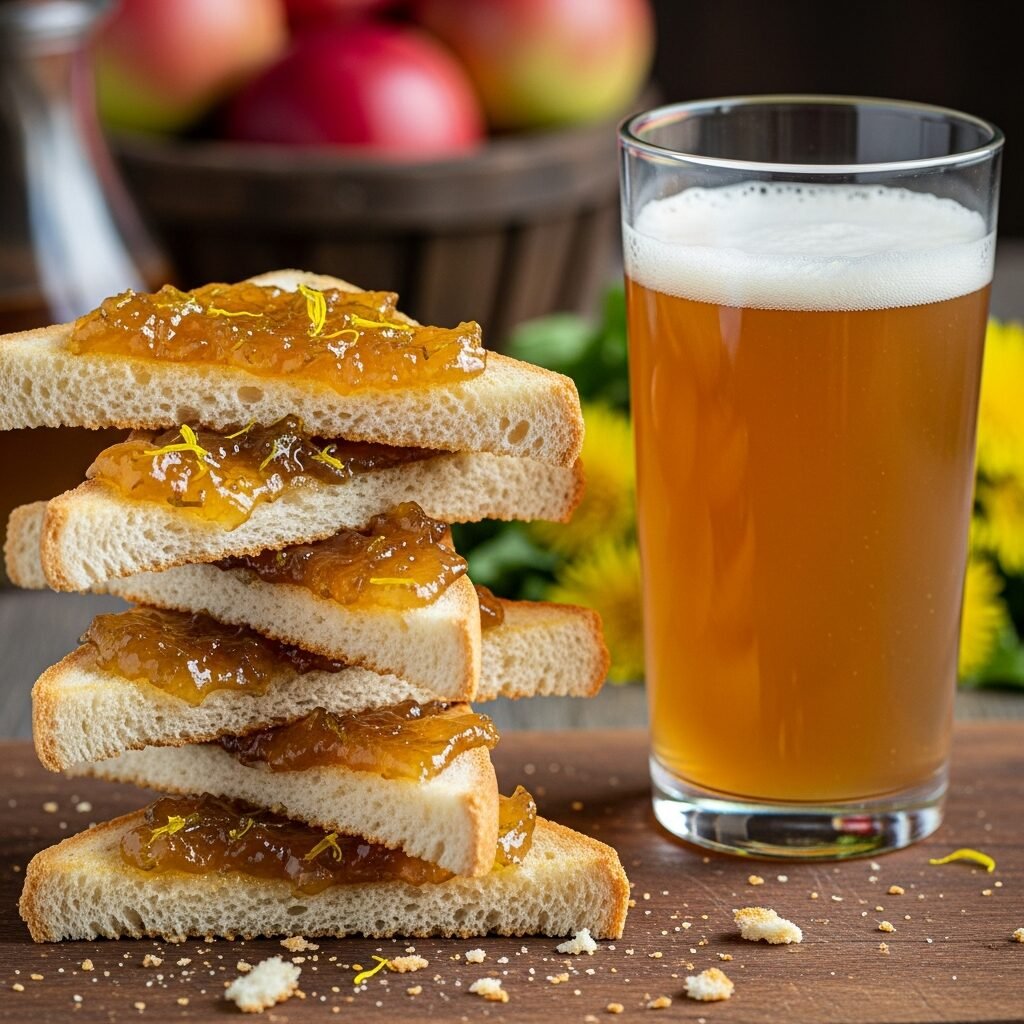
Using unsweetened apple juice as the liquid base instead of water adds a natural pectin boost and a subtle fruitiness. The malic acid in the apples helps to brighten the dandelion flavor and ensures a firm, reliable set. This method is often preferred by those who find the water-based version too light. The apple juice provides a golden-pink hue and a fuller body to the jelly. It is a robust version that holds up well in sandwiches or as a topping for yogurt parfaits.
8. Lavender and Dandelion Botanical Mix
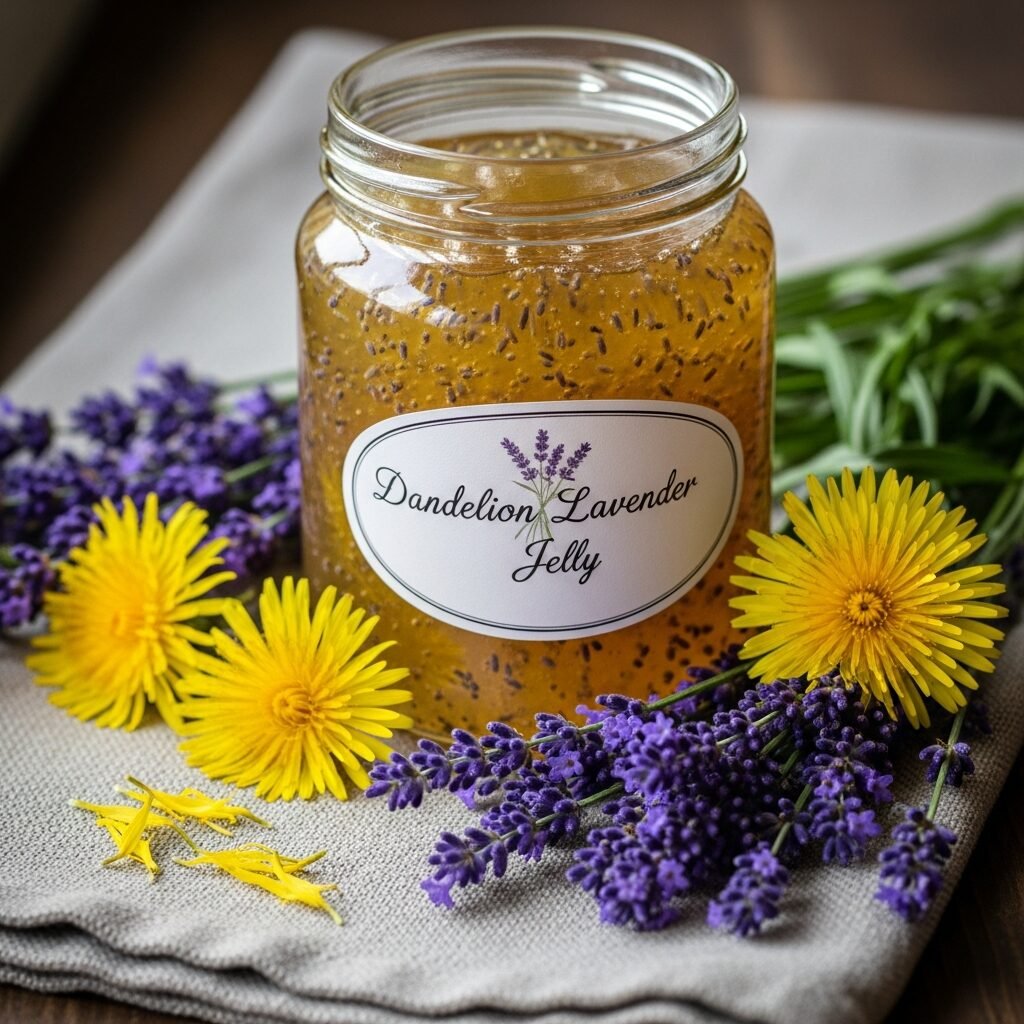
Combining two of spring’s most iconic flowers creates a powerhouse of botanical flavor. Add a teaspoon of culinary-grade dried lavender buds to the dandelion petals during the infusion stage. Be careful not to overdo the lavender, as it can become soapy if used in excess. When balanced correctly, the lavender provides a calming, aromatic quality that enhances the light floral notes of the dandelion. This jelly is particularly sophisticated and makes an excellent accompaniment to a cheese board featuring soft goat cheese or brie.
9. Cinnamon and Clove Spiced Dandelion Jelly
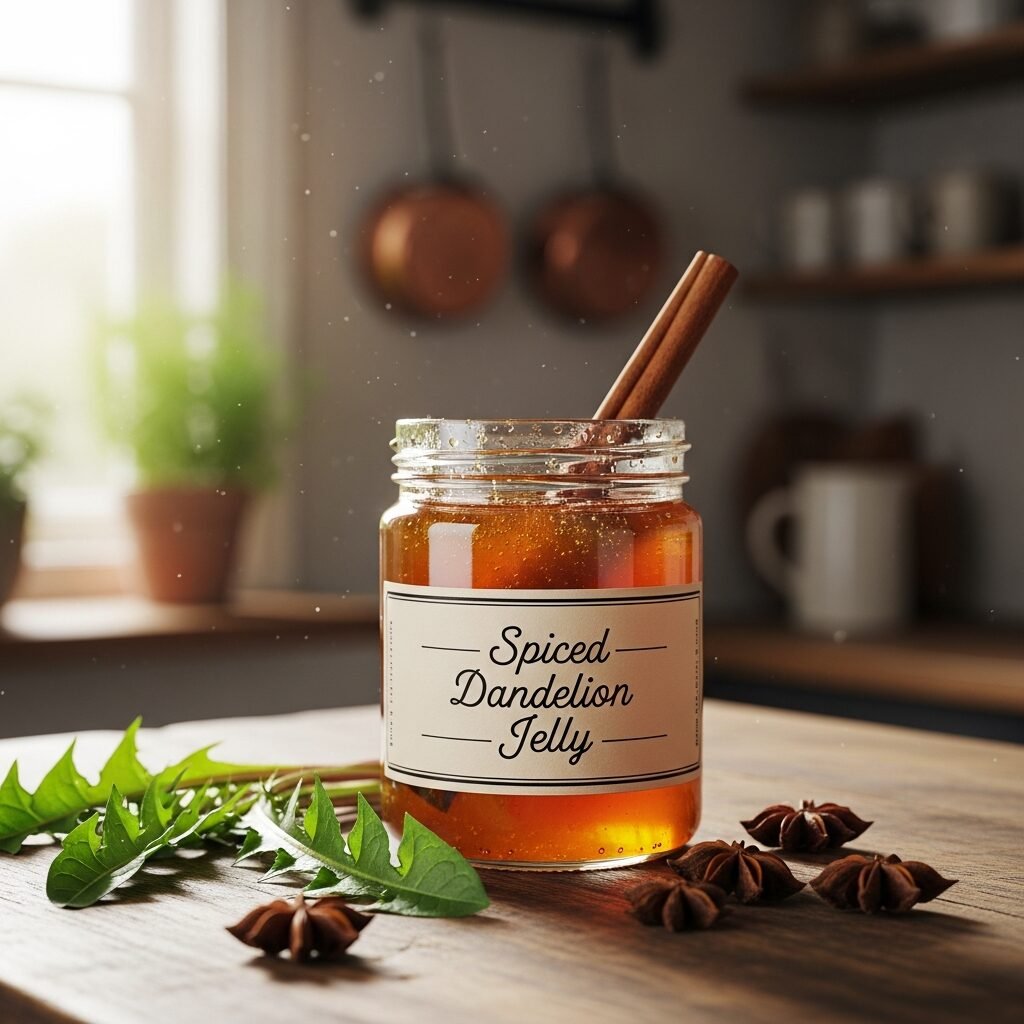
To create a warmer, more autumnal version of this spring preserve, add a cinnamon stick and a few whole cloves to the pot while the jelly is boiling. These warm spices transform the floral jelly into something that feels cozy and comforting. The spices complement the honey-like notes of the dandelion, making it taste similar to a light spiced cider. This version is particularly delicious when spread on warm biscuits or used as a filling for thumbprint cookies during the cooler months.
10. Low Sugar Dandelion Jelly
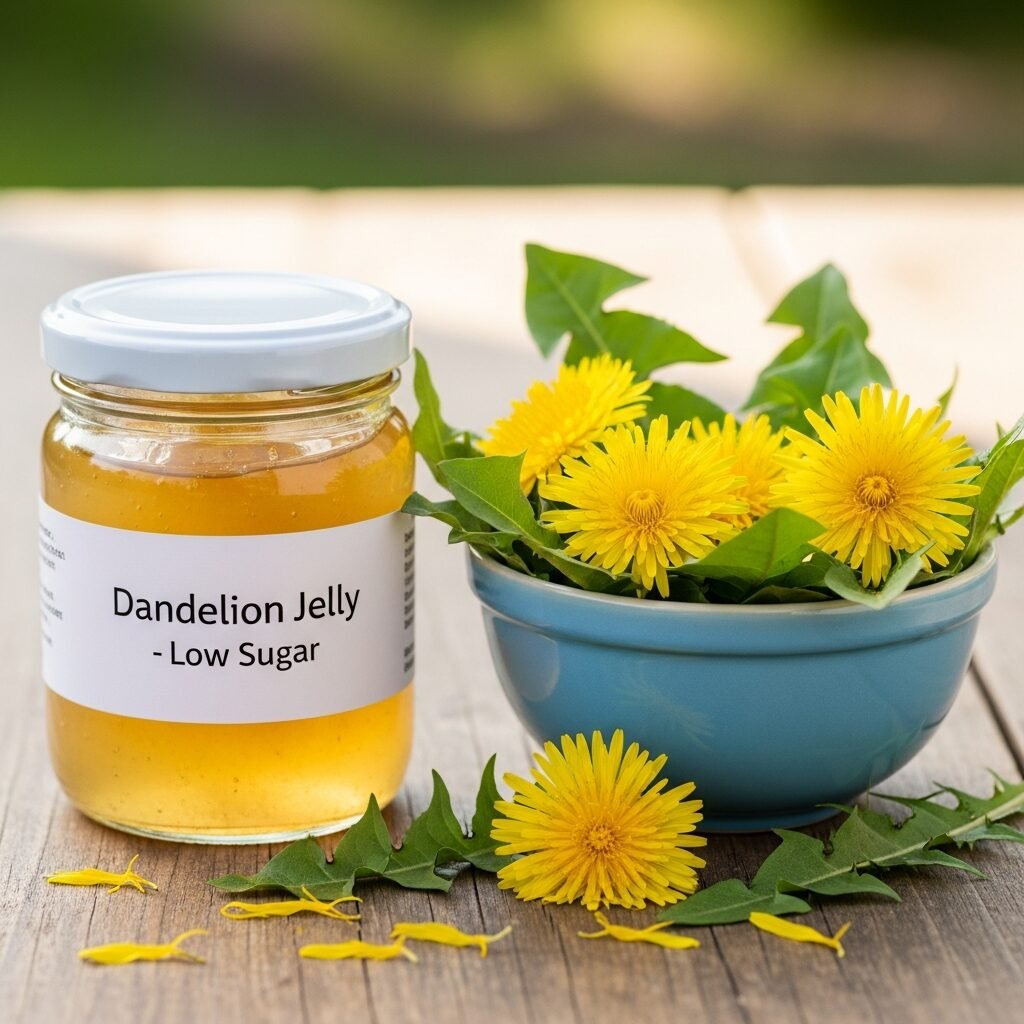
For those monitoring their sugar intake, a low-sugar version can be achieved by using a specific low-methoxyl pectin. This type of pectin reacts with calcium rather than sugar to create a set, allowing you to significantly reduce the amount of sweetener used. You can use a sugar substitute or simply a reduced amount of cane sugar. While the texture may be slightly softer than traditional jelly, the dandelion flavor is much more prominent because it is not masked by intense sweetness. This recipe is perfect for highlighting the pure essence of the flower.
Conclusion
Dandelion jelly is a remarkable way to preserve the fleeting beauty of spring. Whether you stick to the classic recipe or experiment with additions like ginger, lavender, or hibiscus, the result is always a light and floral treat that surprises the palate. By carefully foraging for the freshest petals and following proper canning procedures, you can enjoy these ten variations throughout the year. These recipes demonstrate that with a little creativity, even the most common backyard plants can be transformed into something truly extraordinary and elegantly delicious.