
11 Dandelion Drawing Ideas That Feel Delicate & Creative
Dandelions are a favorite subject for artists due to their intricate structures and the symbolic weight they carry regarding wishes , resilience, and the fleeting nature of time. Capturing the delicate seeds of a dandelion clock or the vibrant yellow of its bloom requires a balance of precision and artistic flow. Whether you are a beginner looking to practice fine lines or an experienced illustrator seeking new inspiration, these eleven creative ideas will help you explore the dandelion’s unique aesthetic through various styles and techniques.
1. The Classic Fluffy Seed Head
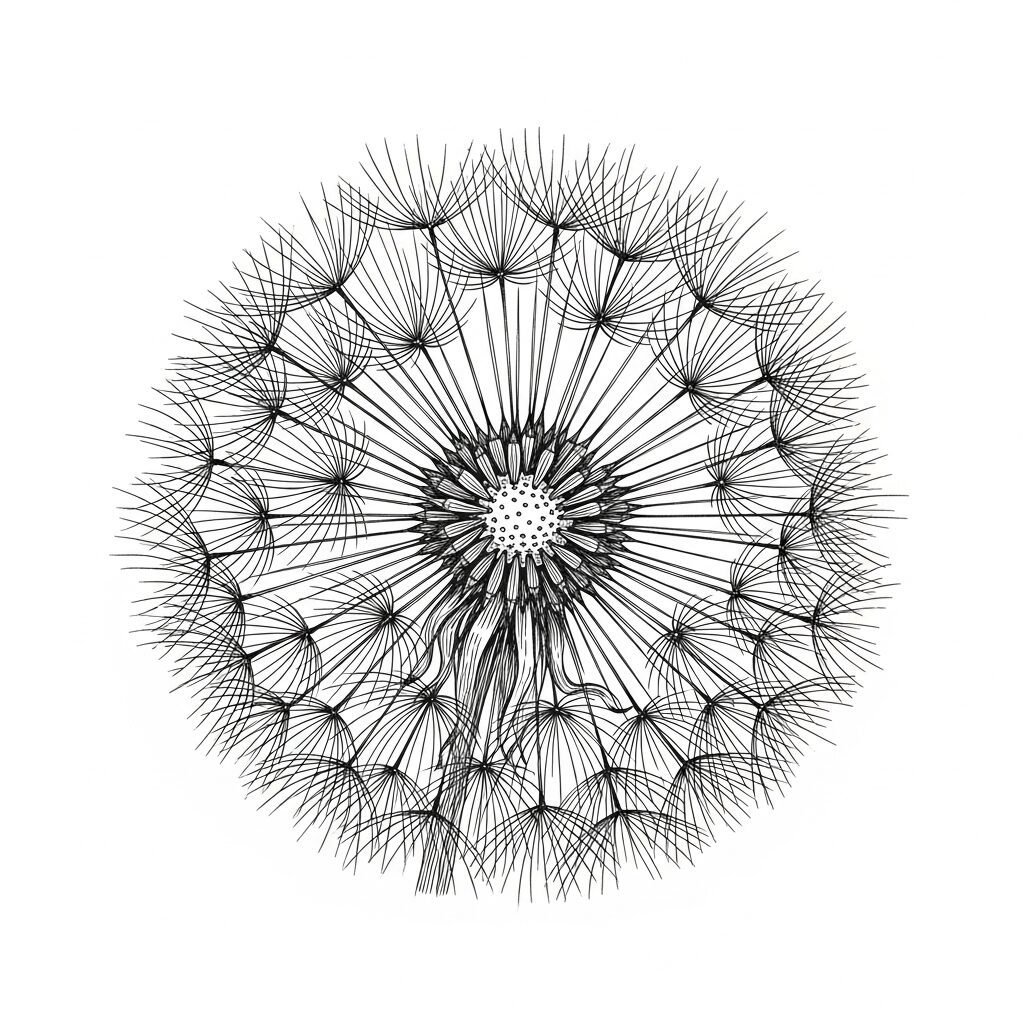
Start with the most iconic stage of the dandelion: the puffball. To achieve a delicate look, use a very fine-tipped pen or a hard pencil. Focus on drawing the central core first, then radiate thin lines outward. At the tip of each line, add a tiny starburst or a cross-hatch pattern to represent the individual seeds. This exercise is excellent for practicing radial symmetry and steady hand control.
2. A Single Seed in Mid-Air
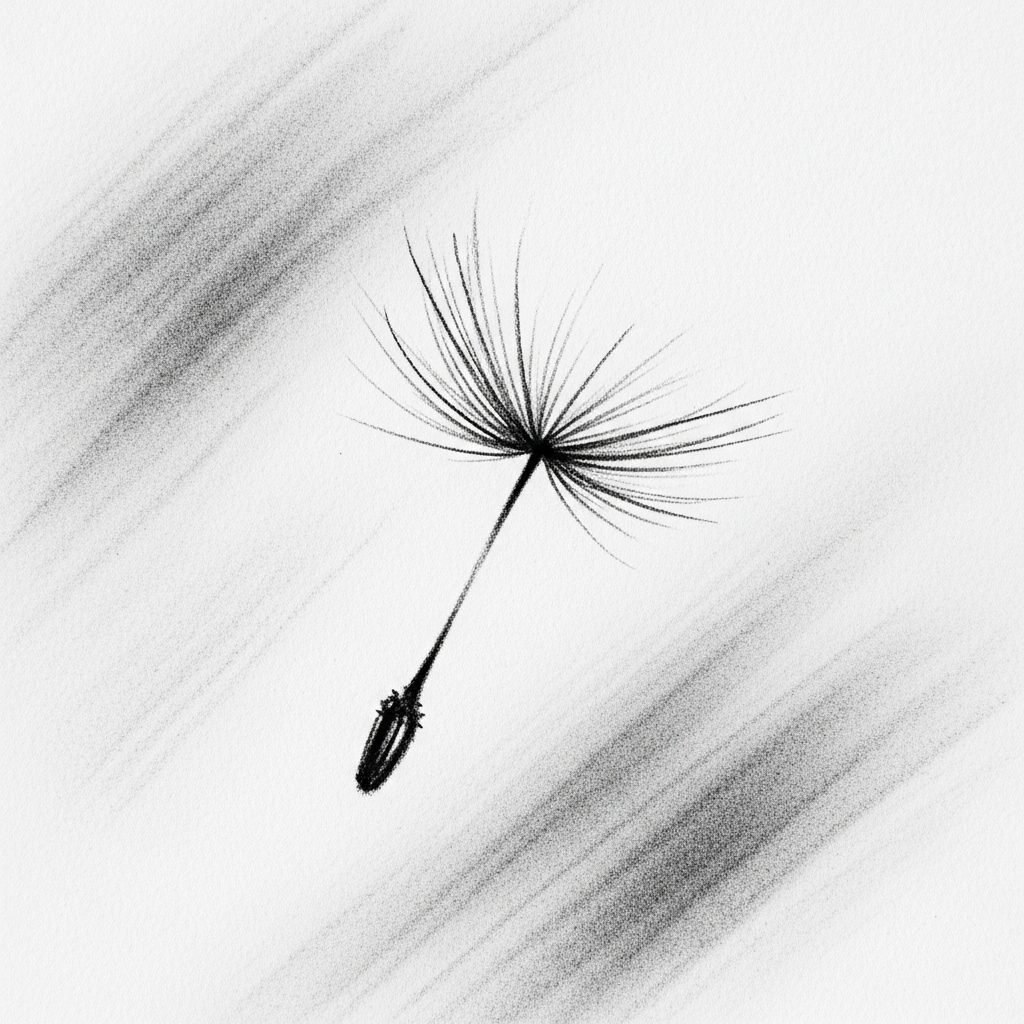
Sometimes less is more. Drawing a single dandelion seed floating away can evoke a sense of freedom and movement. Focus on the contrast between the heavy seed at the bottom and the feathery, umbrella-like structure at the top. Use light, wispy strokes for the parachute part to emphasize its weightlessness as it drifts through an invisible breeze.
3. Dandelion Geometric Deconstruction

For a modern twist, try deconstructing the dandelion into geometric shapes. Use perfect circles for the overall head and sharp, straight lines for the stems and seeds. This approach moves away from traditional realism and enters the realm of graphic design. You can experiment with varying line weights to create depth and visual interest while maintaining a clean , structured appearance.
4. Negative Space Silhouette
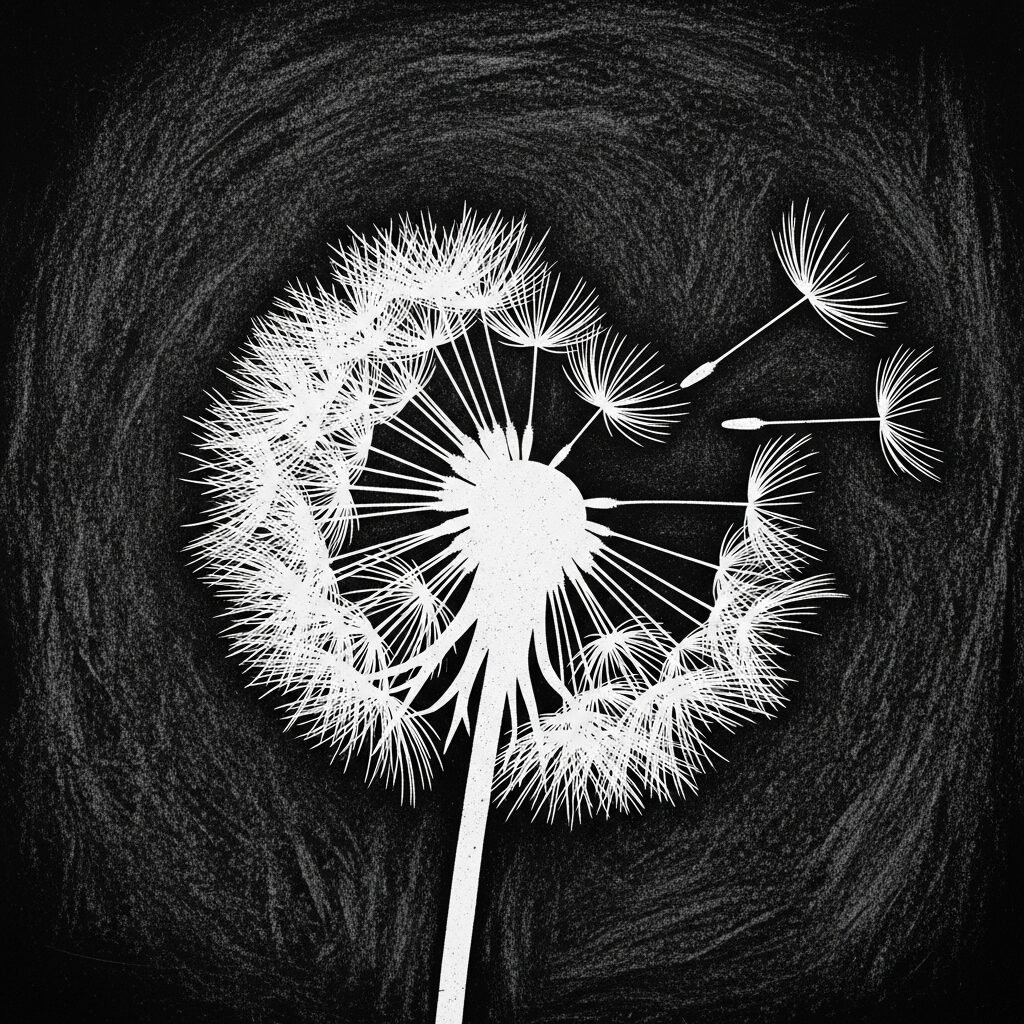
Instead of drawing the dandelion itself, try drawing the space around it. Fill the background with a dark wash of graphite, ink, or watercolor, leaving the shape of the dandelion white. This technique is particularly effective for showing the intricate ‘fuzziness’ of the seed head, as the dark background makes the delicate white edges pop with high contrast.
5. Watercolor Bleed Dandelions
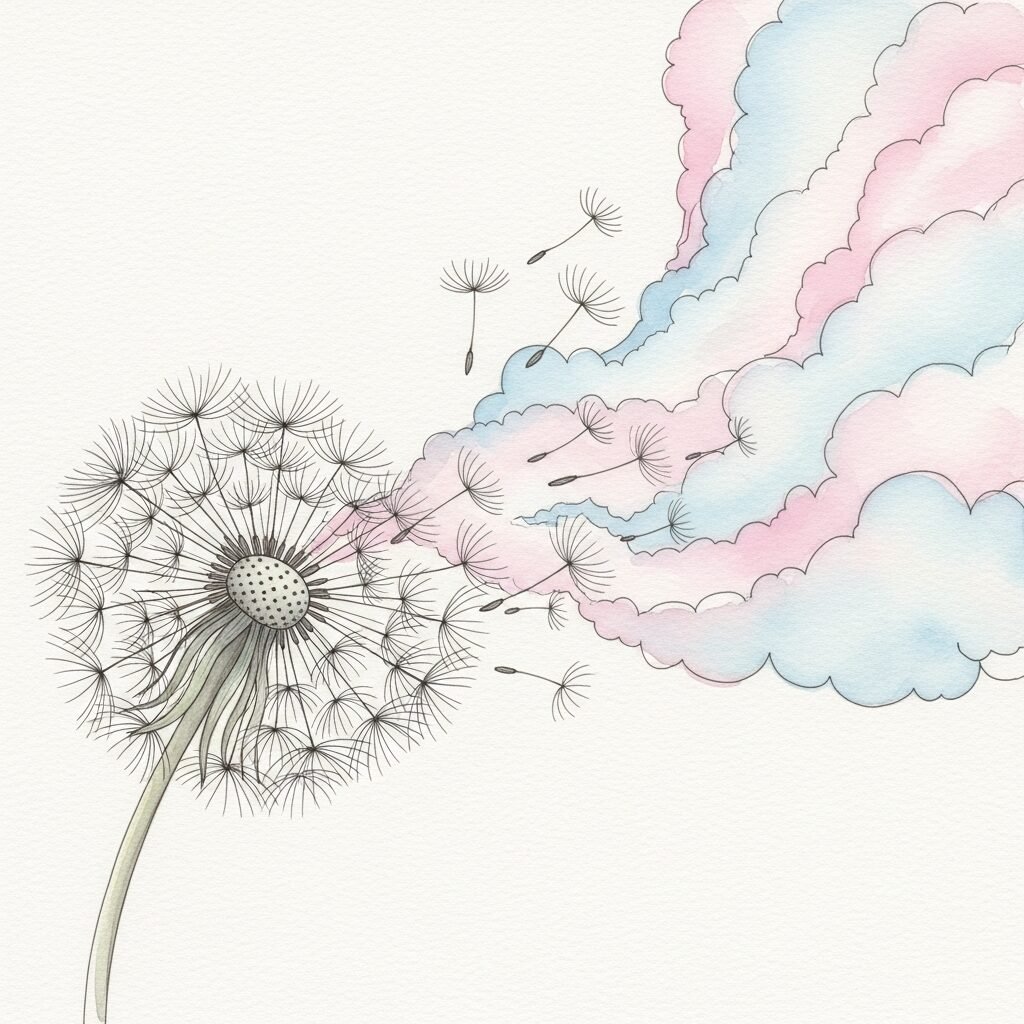
Combine the precision of drawing with the fluidity of watercolor. Draw the stem and core with a waterproof fineliner, then use a wet-on-wet watercolor technique for the seeds. Allow the colors to bleed outward in soft, pastel hues like lavender, light blue, or soft yellow. This creates a dreamlike, ethereal effect that captures the fragile nature of the plant perfectly.
6. The Budding Transition
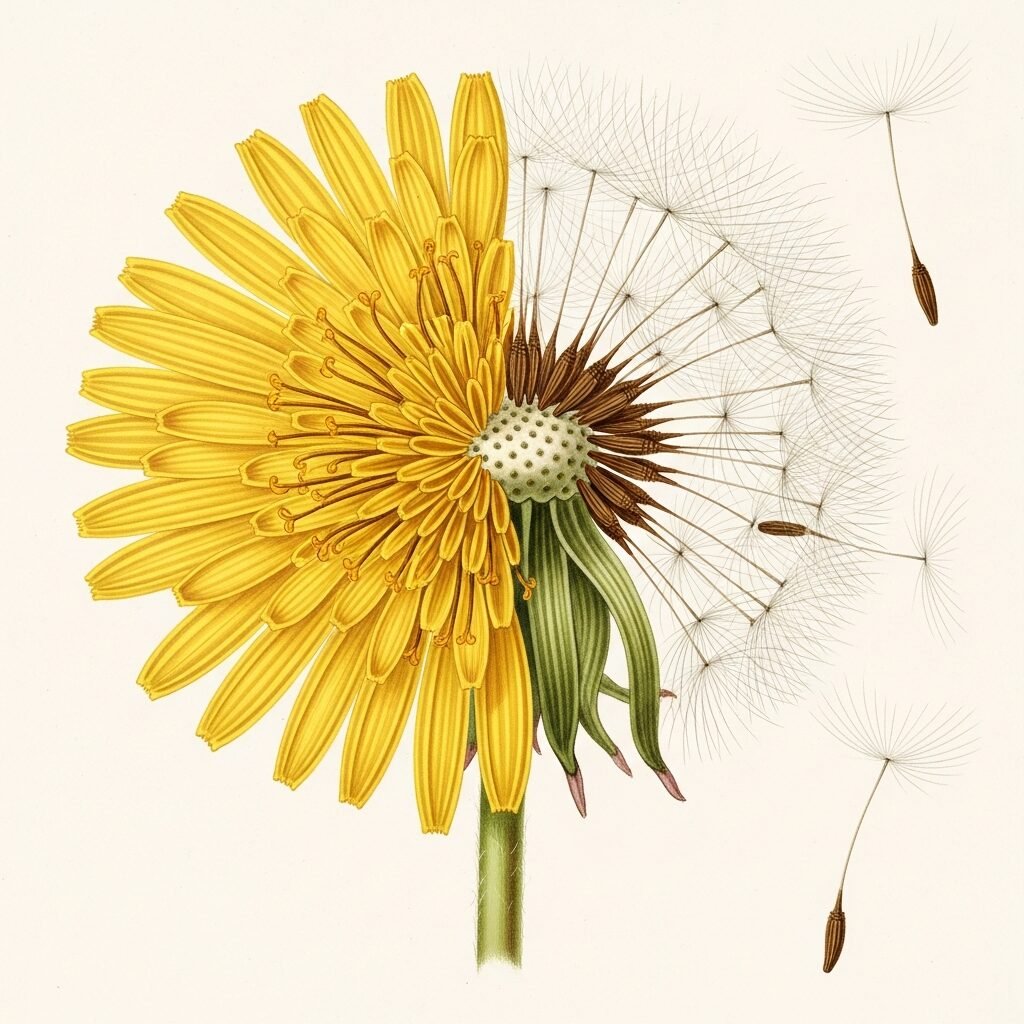
Capture the life cycle of the dandelion by drawing it in a state of transition. Show a stem that is half-yellow flower and half-white seed head. This provides a beautiful contrast between the solid, petal-heavy look of the bloom and the airy, transparent look of the seeds. It is a great way to practice different textures and color blending in a single composition.
7. Macro Detail of the Core
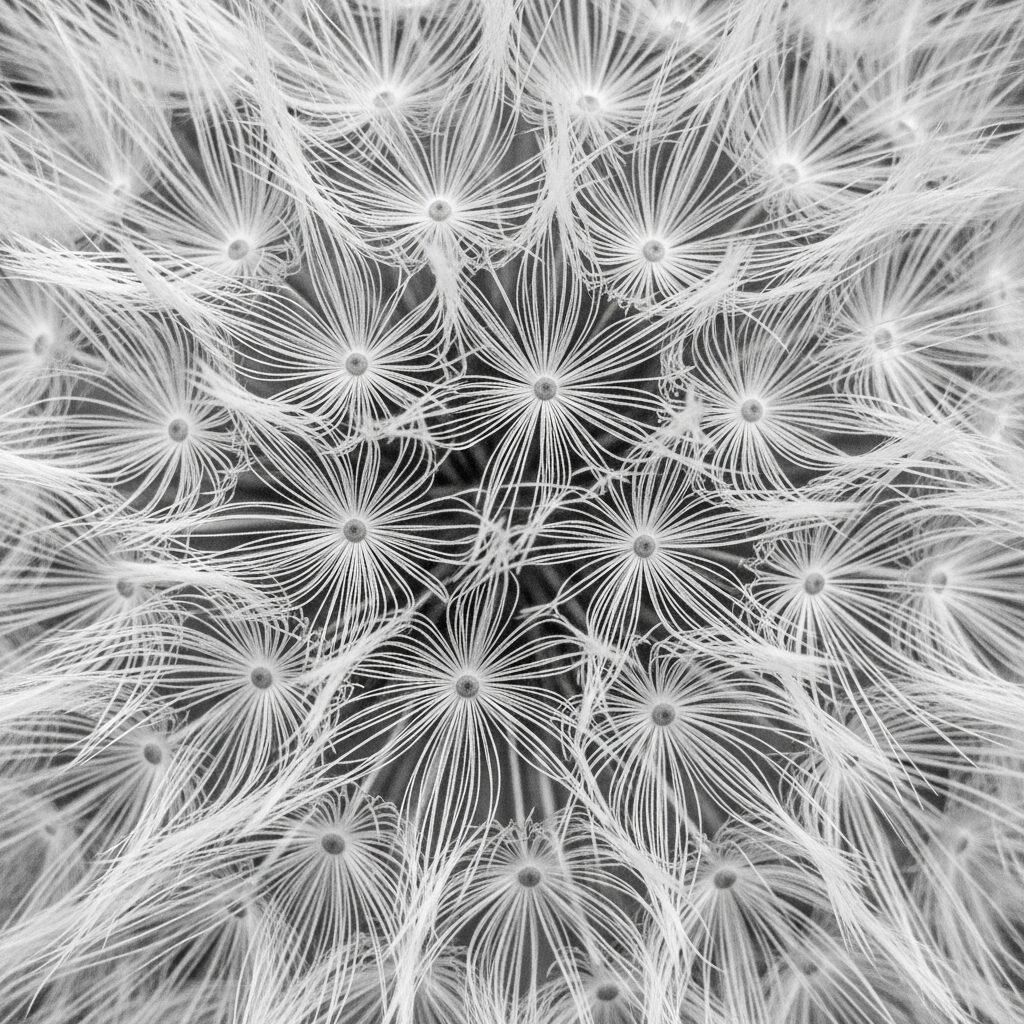
Zoom in and focus on the center where the seeds attach to the receptacle. This macro perspective reveals the fascinating, almost mathematical pattern of the seeds’ attachment points. Use shading to create a sense of three-dimensional volume, making the center look like a textured dome. This idea challenges your ability to observe and replicate complex patterns found in nature.
8. Dandelion and Whimsical Creatures

Add a touch of storytelling by including a small insect or animal. A ladybug climbing the stem or a tiny hummingbird hovering near the seeds can add scale and life to your drawing. Ensure the creature is drawn with the same level of delicacy as the plant to maintain a cohesive, whimsical atmosphere. This approach helps in practicing composition and focal points.
9. Monochromatic Pen and Ink Stippling
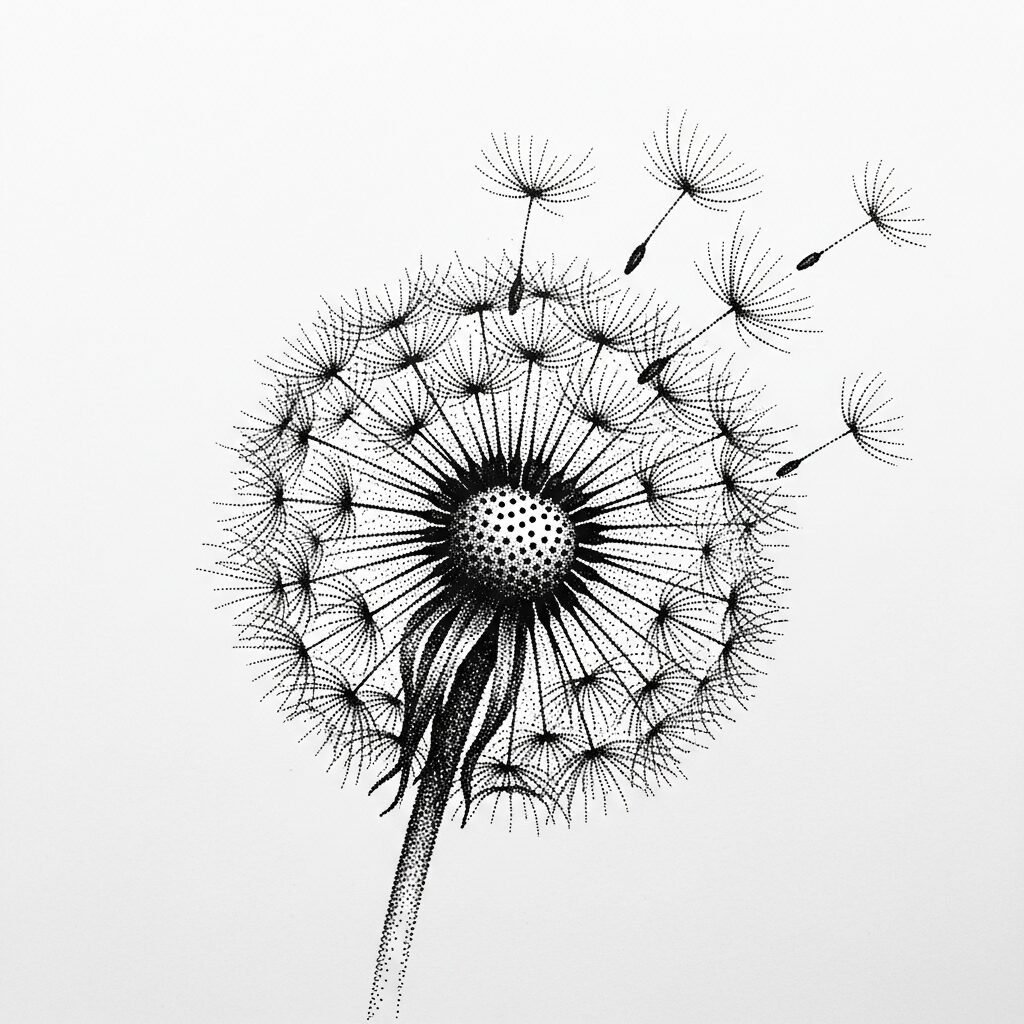
Use the stippling technique—creating an image through thousands of tiny dots—to render your dandelion. This method is perfect for the dandelion because it naturally mimics the speckled appearance of the seeds. By varying the density of the dots, you can create soft gradients and shadows that give the fluffy head a realistic, three-dimensional feel without using solid lines.
10. Abstract Wind Swirls
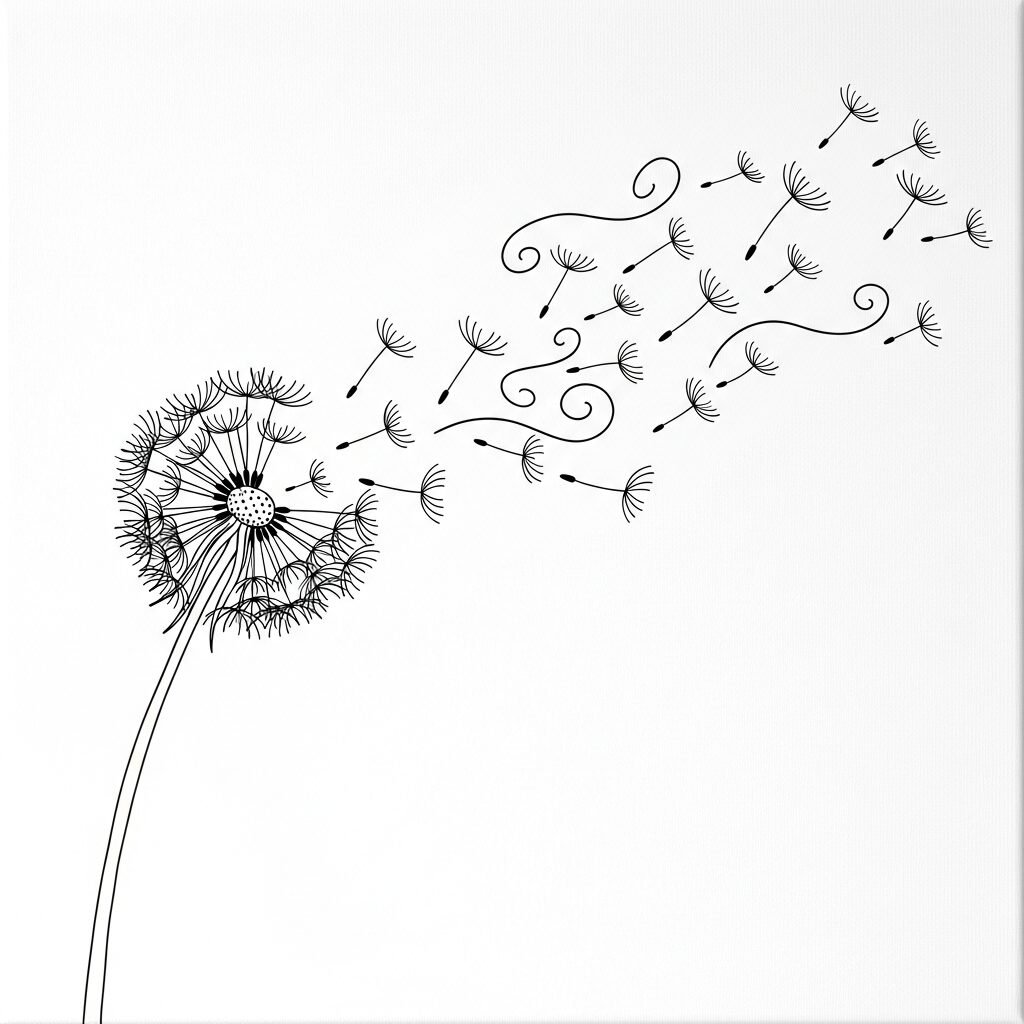
Instead of a static plant, draw the dandelion in the middle of a gust of wind. Use long, flowing curved lines to indicate the path of the seeds as they are blown away. This creates a sense of dynamic energy and tells a story of dispersal. Use light, quick strokes to convey speed and lightness, making the viewer feel the movement on the page.
11. Dandelions in a Glass Jar
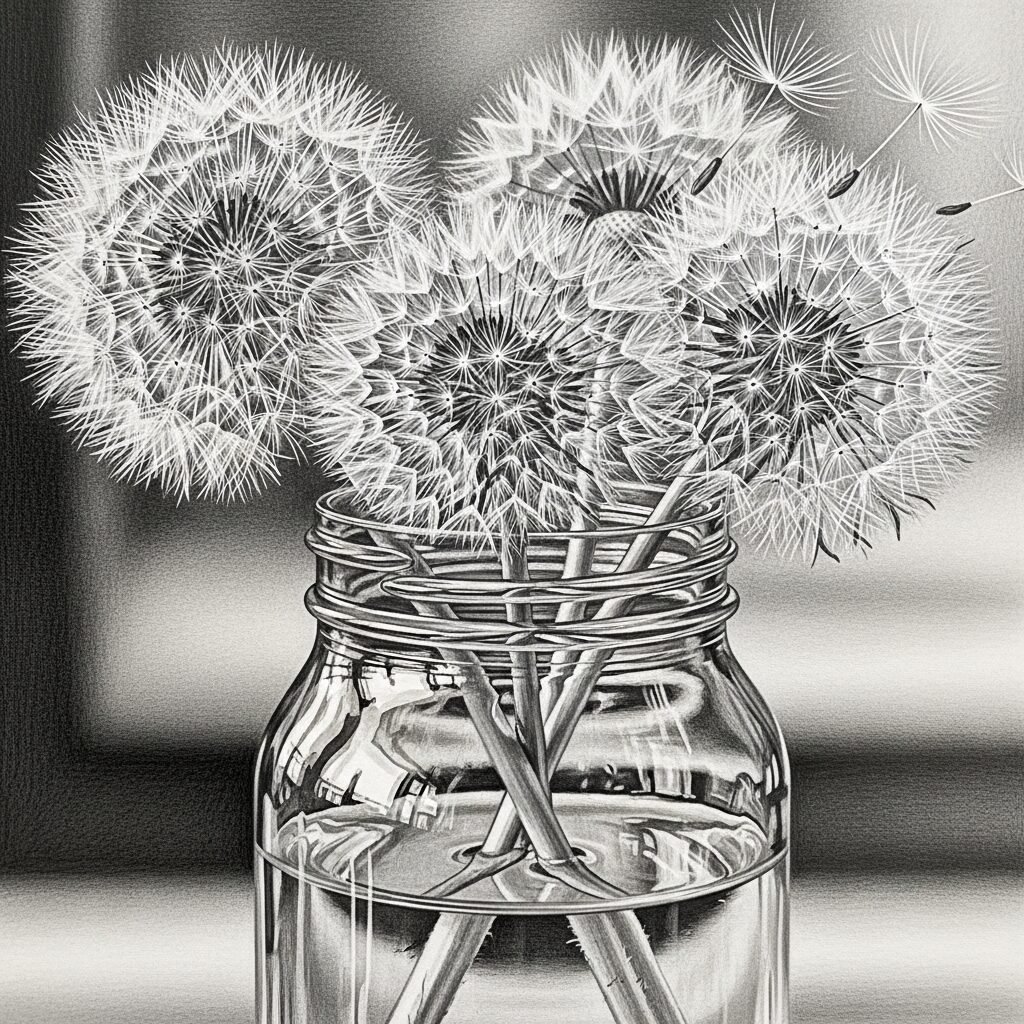
For a still-life approach, draw several dandelions placed in a simple glass jar. This allows you to practice drawing different materials like glass and water reflections alongside the organic textures of the plants. The transparency of the glass complements the transparency of the dandelion seeds, resulting in a sophisticated and calm composition.
Conclusion
Drawing dandelions offers a unique opportunity to practice fine motor skills and explore various artistic styles from hyper-realism to abstract design. By focusing on the delicate nature of the seeds and the vibrant life of the blooms, you can create pieces that are both technically impressive and emotionally resonant. Use these eleven ideas as a springboard to develop your own unique style and celebrate the simple beauty of this common yet extraordinary plant.