11 Doodle Drawing Ideas That Feel Effortless & Creative
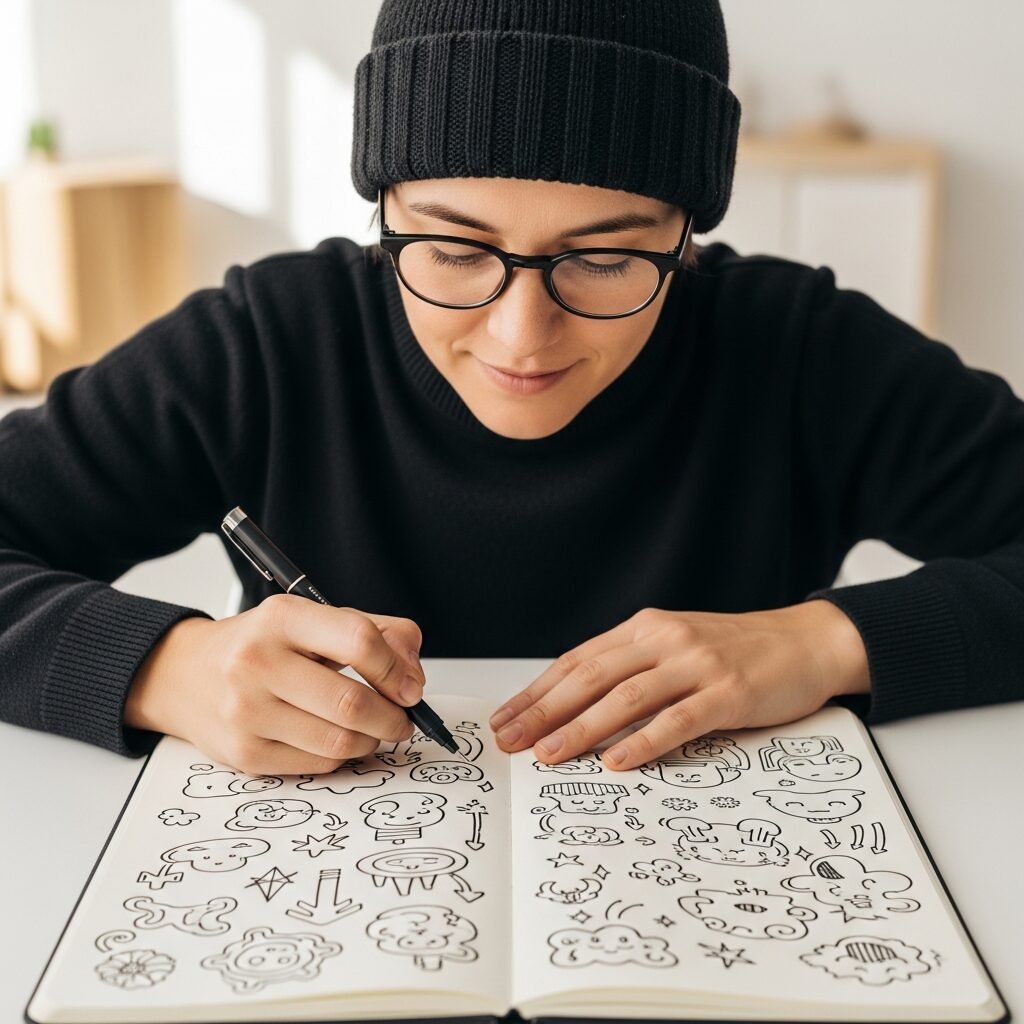
Doodling is more than just an idle pastime; it is a sophisticated method of enhancing focus, reducing stress , and unlocking creative potential. Many people feel intimidated by the prospect of a blank page, but the beauty of doodling lies in its accessibility. It does not require formal training or expensive supplies. By focusing on simple shapes and repetitive motions, anyone can produce visually appealing art that feels both effortless and professional. This guide explores eleven distinct ideas to help you start your doodling journey today.
1. Concentric Geometric Spirals
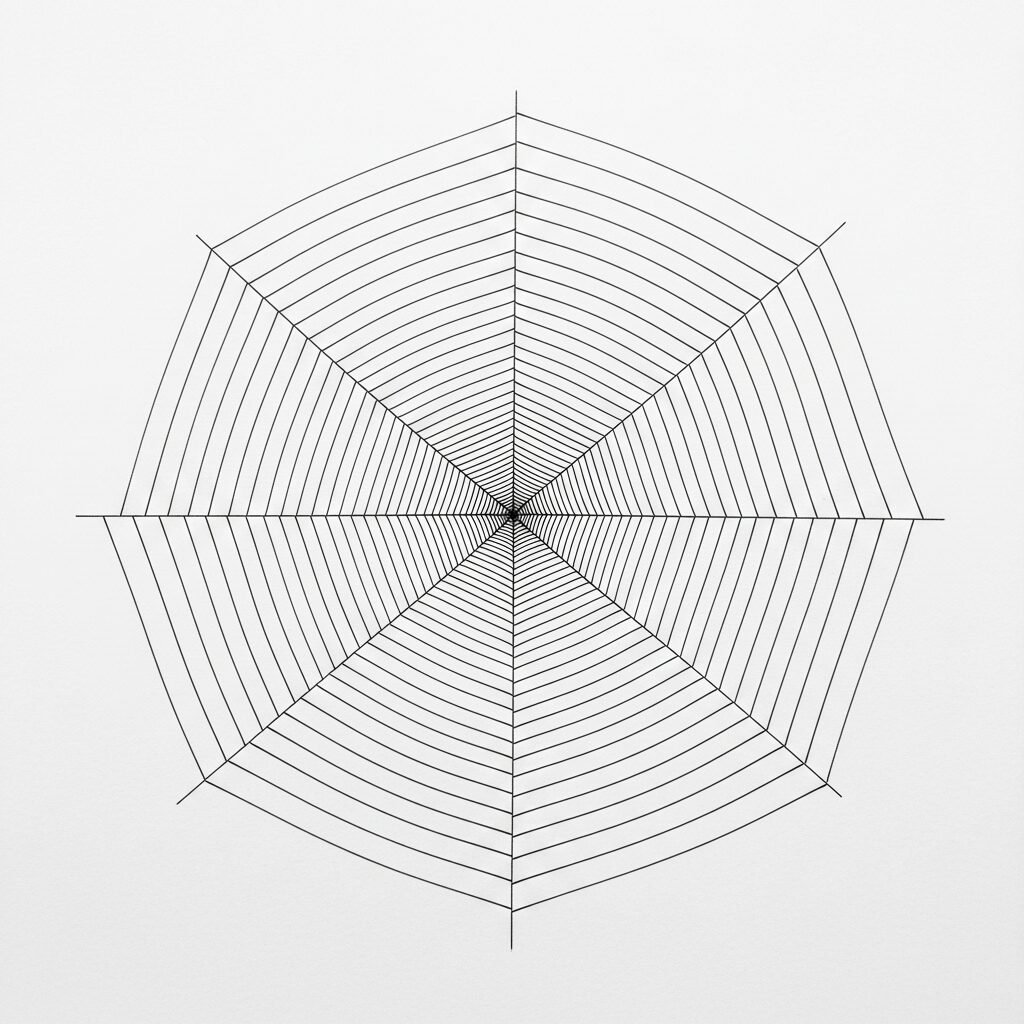
Begin by placing a single dot in the center of your page. Slowly draw a line that circles around the dot, gradually increasing the distance with each rotation. You can keep the lines smooth for a classic spiral or use sharp, angular turns to create a geometric square spiral. This repetitive motion is meditative and helps develop steady hand-eye coordination while resulting in a mesmerizing focal point for any page.
2. Cascading Leafy Vines
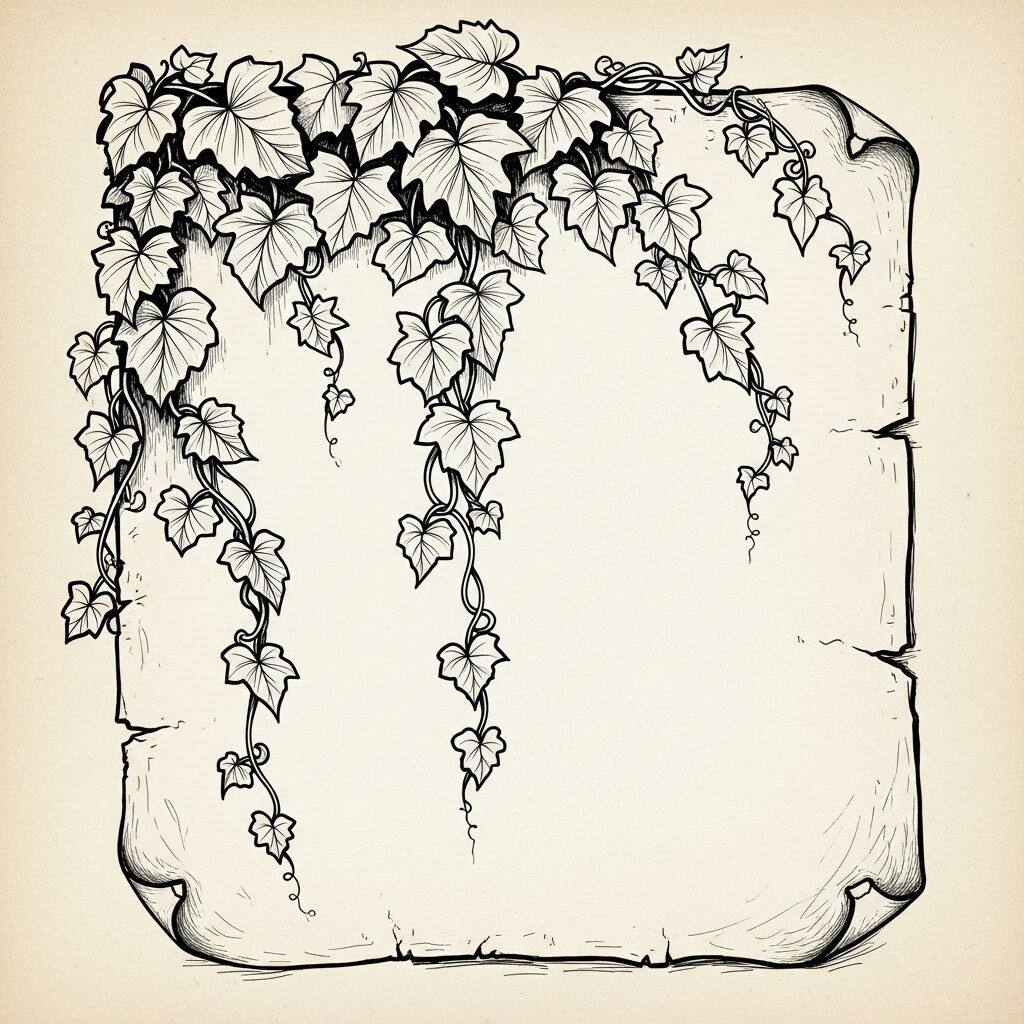
Draw a gently curving line that flows from one corner of the page toward the center. Along this line, add small teardrop shapes to represent leaves. To make the doodle look more professional, vary the size of the leaves and add a tiny line down the center of each. This organic pattern is perfect for framing text or filling vertical spaces in a journal.
3. Multidimensional Floating Bubbles
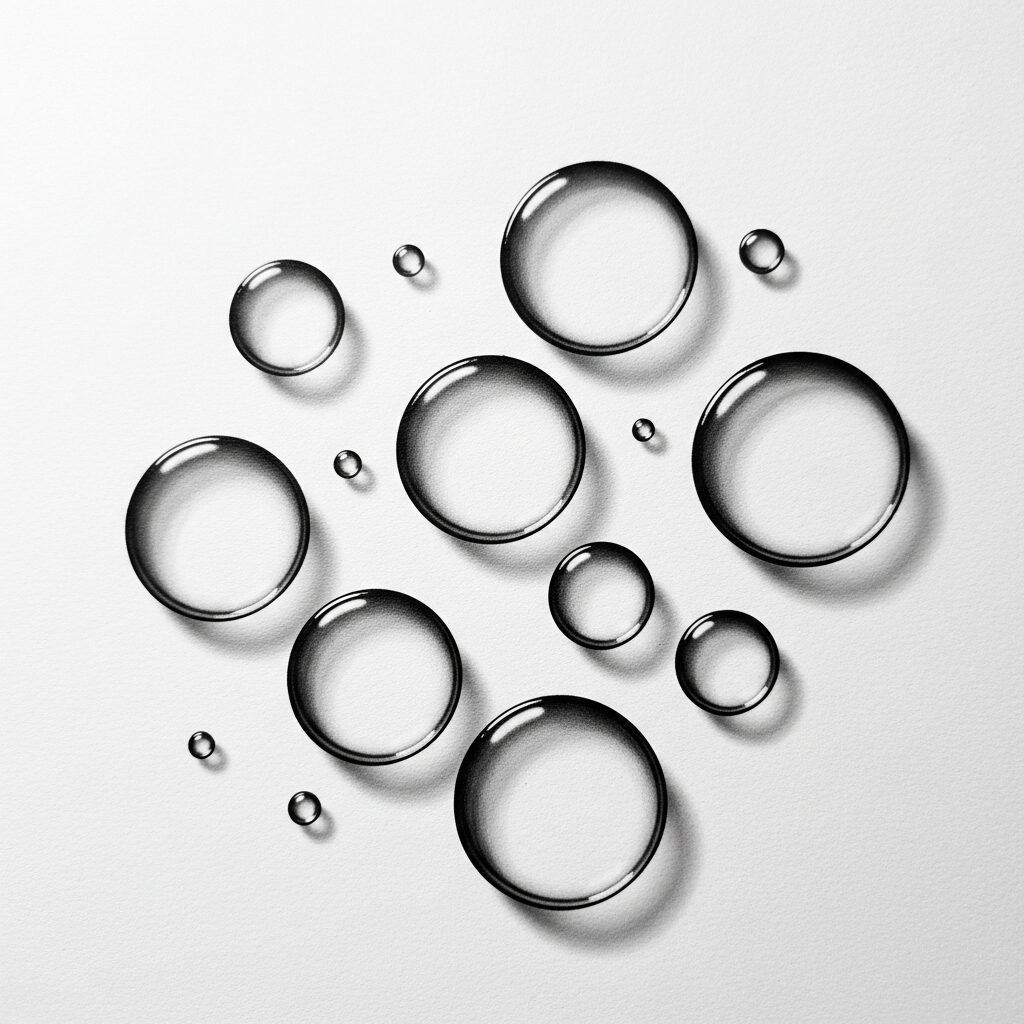
Circles are fundamental to doodling. Draw a variety of circles in different sizes, allowing some to overlap. To create a sense of depth, add a small crescent-shaped highlight in the upper right corner of each circle and a slight shadow on the opposite side. This simple technique transforms flat shapes into three-dimensional orbs that appear to float across the paper.
4. Gradient Abstract Stippling
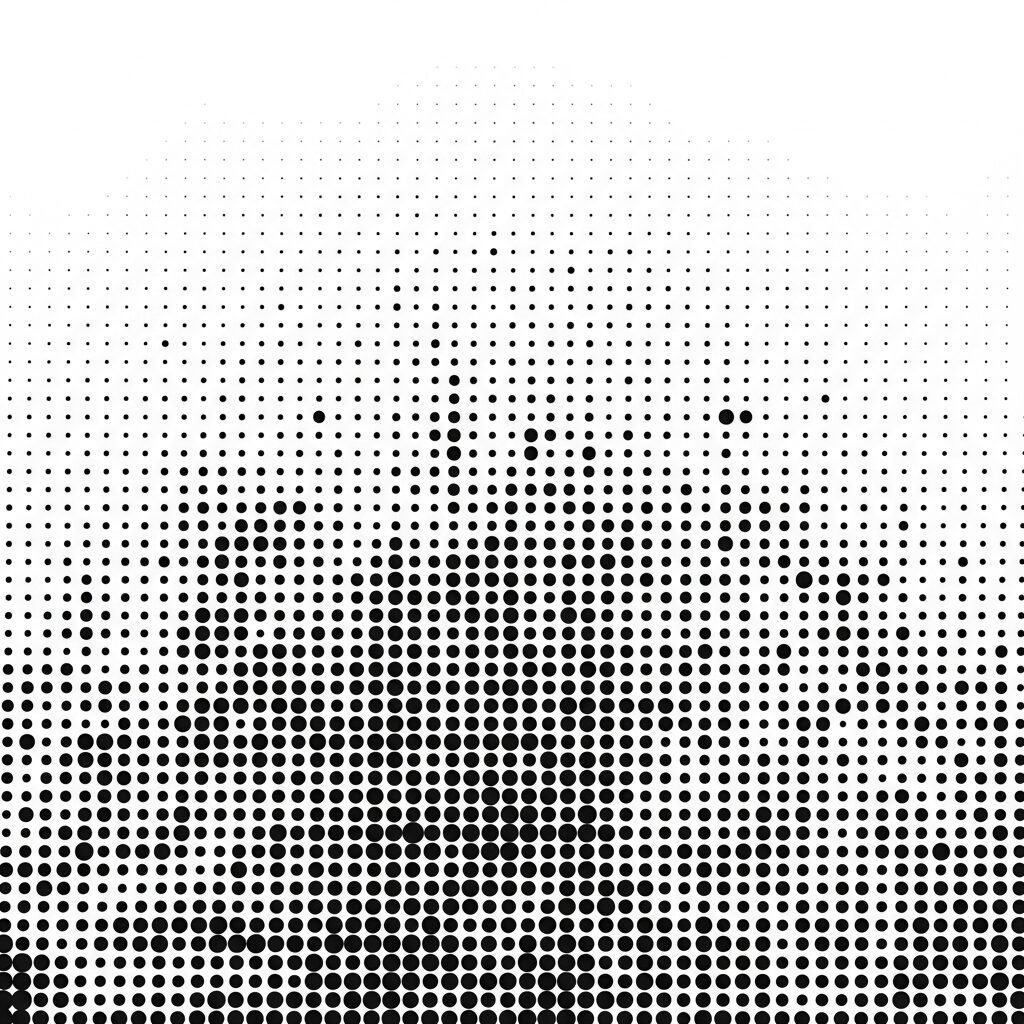
Stippling involves using small dots to create patterns and textures. Start by clustering dots tightly in one area and slowly spread them out as you move across the page. This creates a professional-looking gradient effect. Stippling is an excellent way to add texture to other doodles or to create abstract, cloud-like shapes that look complex despite the simplicity of the technique.
5. Continuous Line Minimalist Faces
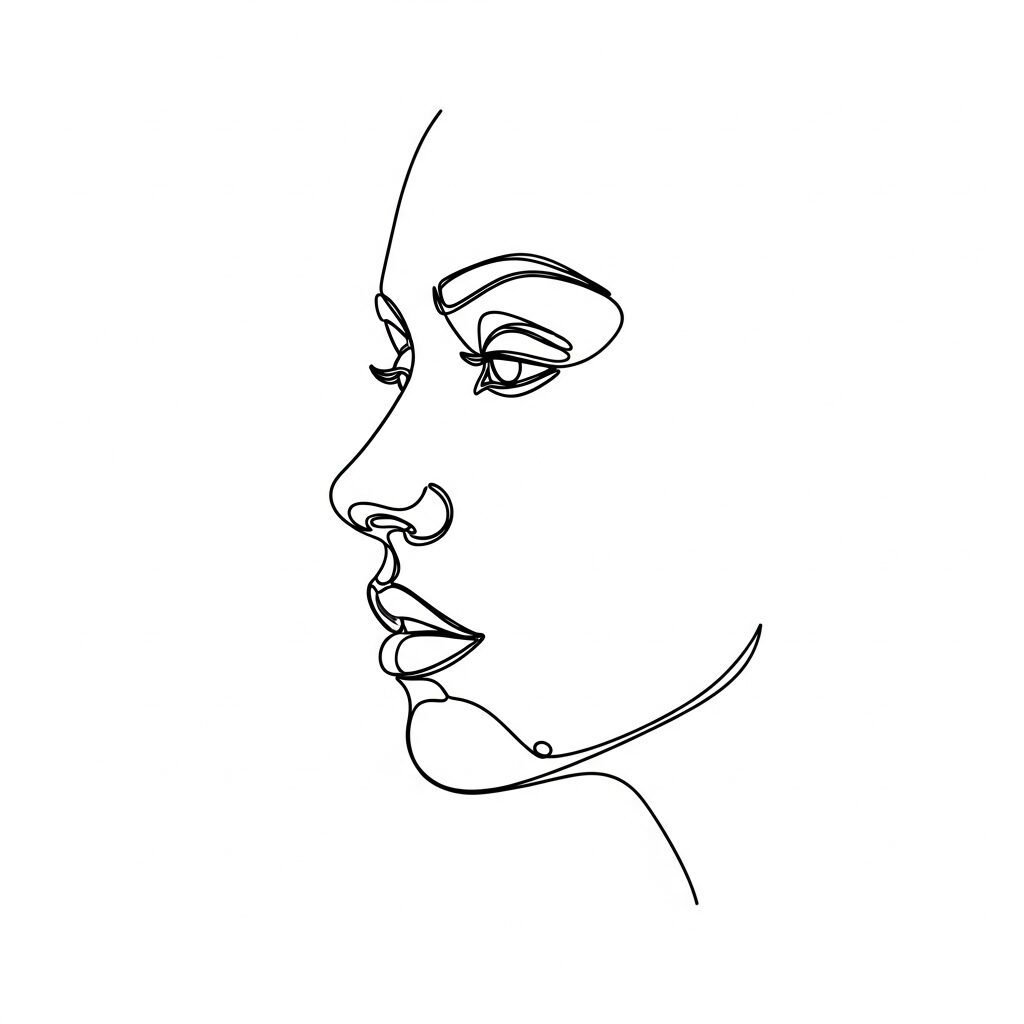
The continuous line drawing is a modern art staple. Without lifting your pen from the paper, try to sketch the silhouette of a face. Focus on the flow of the line rather than anatomical perfection. The result is often a sophisticated, abstract portrait that looks like it belongs in a contemporary art gallery. This exercise encourages artistic fluidity and discourages overthinking.
6. Illustrative Tiny Houses
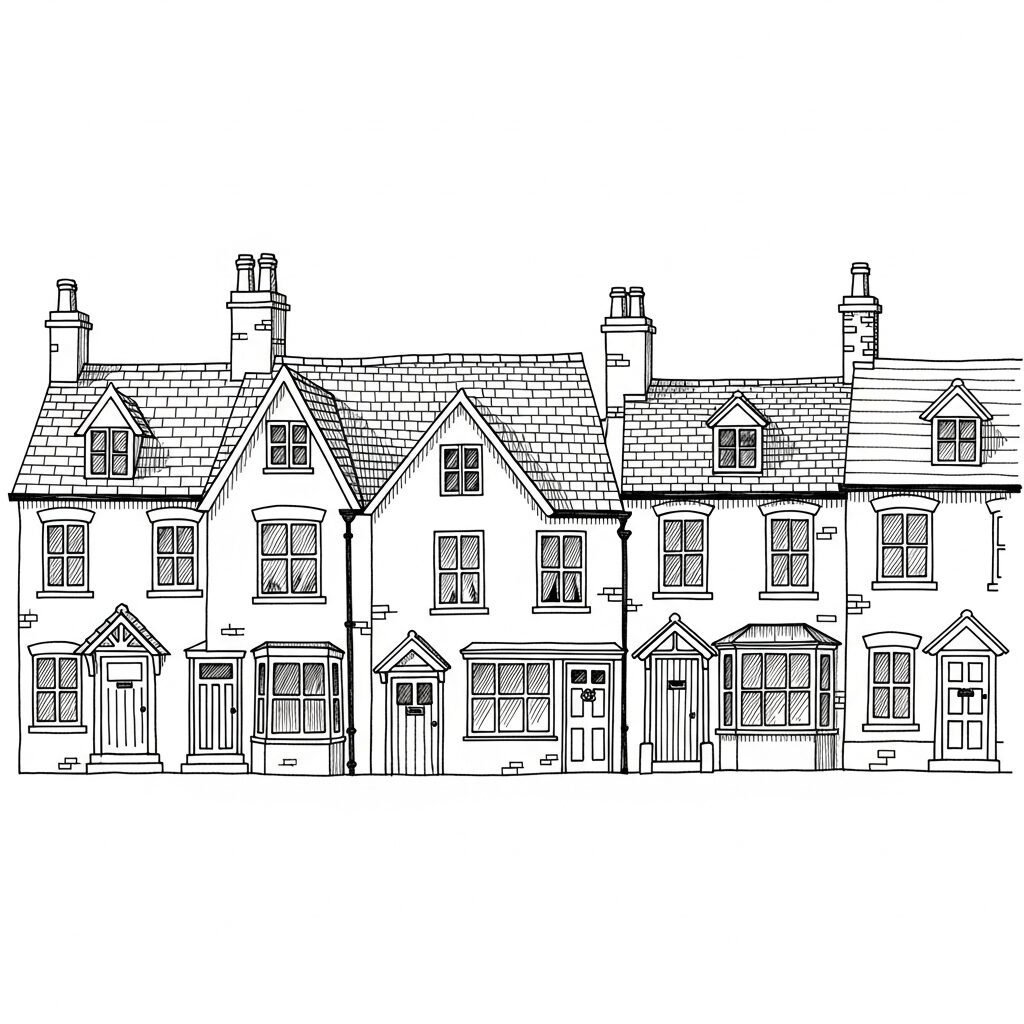
Drawing small, simplified buildings is a satisfying way to practice structure. Start with a square and a triangle for the roof. Add tiny details like a chimney, a window with a cross-pane, or a small door. When grouped together, these tiny houses can form a charming village scene. This doodle is particularly effective for those who enjoy clean lines and architectural elements.
7. Celestial Clusters and Stars
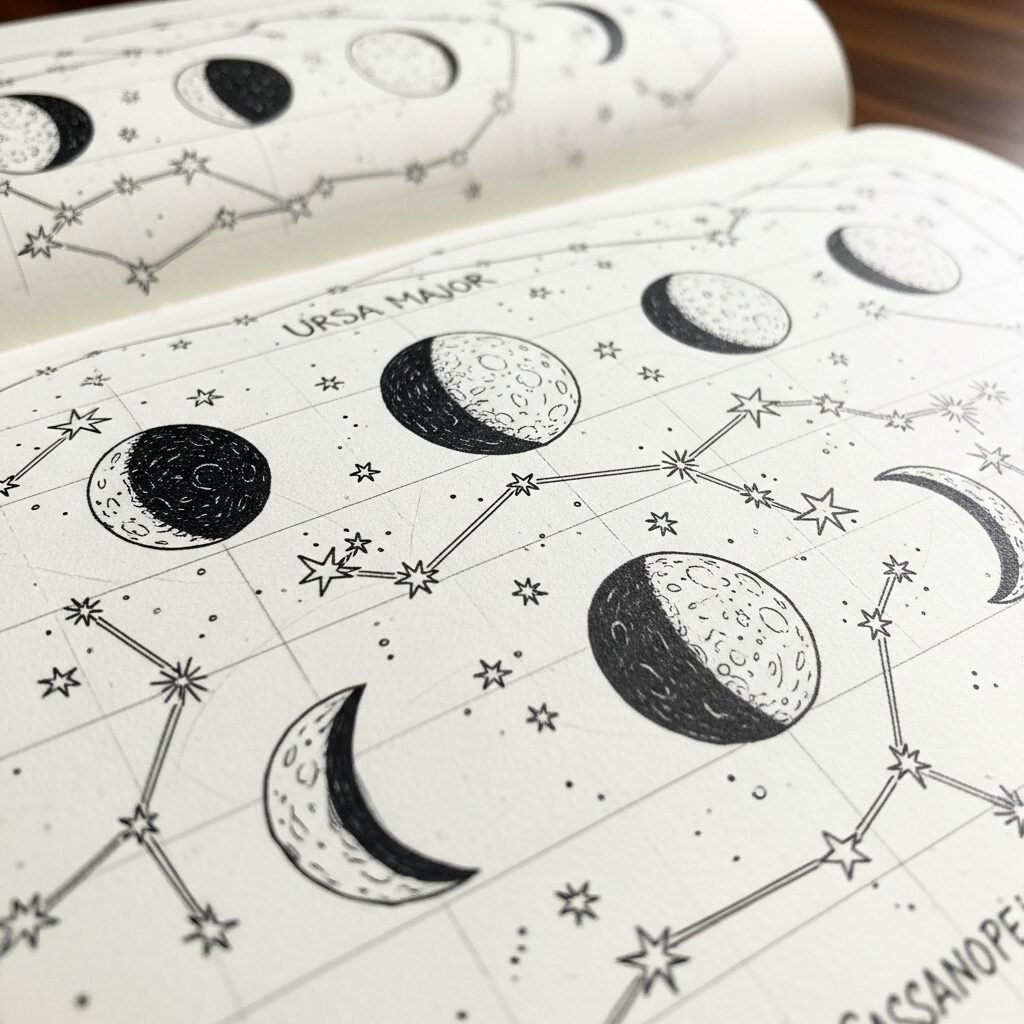
Celestial themes are timeless and easy to execute. Combine crescent moons, tiny five-pointed stars, and simple four-pointed sparks. To add a professional touch, connect some of the stars with thin, dotted lines to represent constellations. This theme is ideal for decorating the borders of planners or adding a touch of whimsy to personal notes.
8. Structured Pattern Blocks
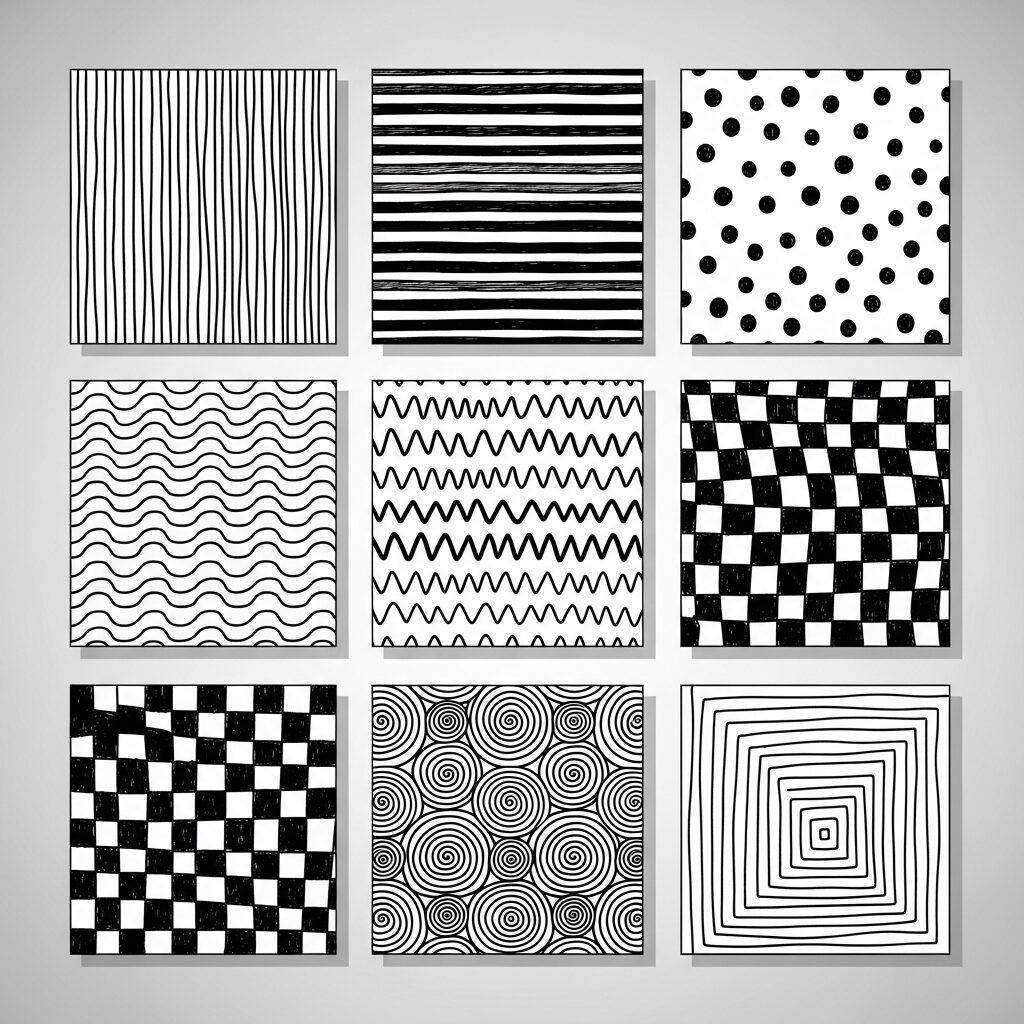
Divide a section of your paper into a grid of small squares. Fill each square with a different simple pattern, such as parallel lines, cross-hatching, tiny triangles, or zig-zags. This structured approach allows you to experiment with various textures without feeling overwhelmed by a large empty space. It is a great way to build a library of patterns for future projects.
9. Whimsical Scalloped Clouds
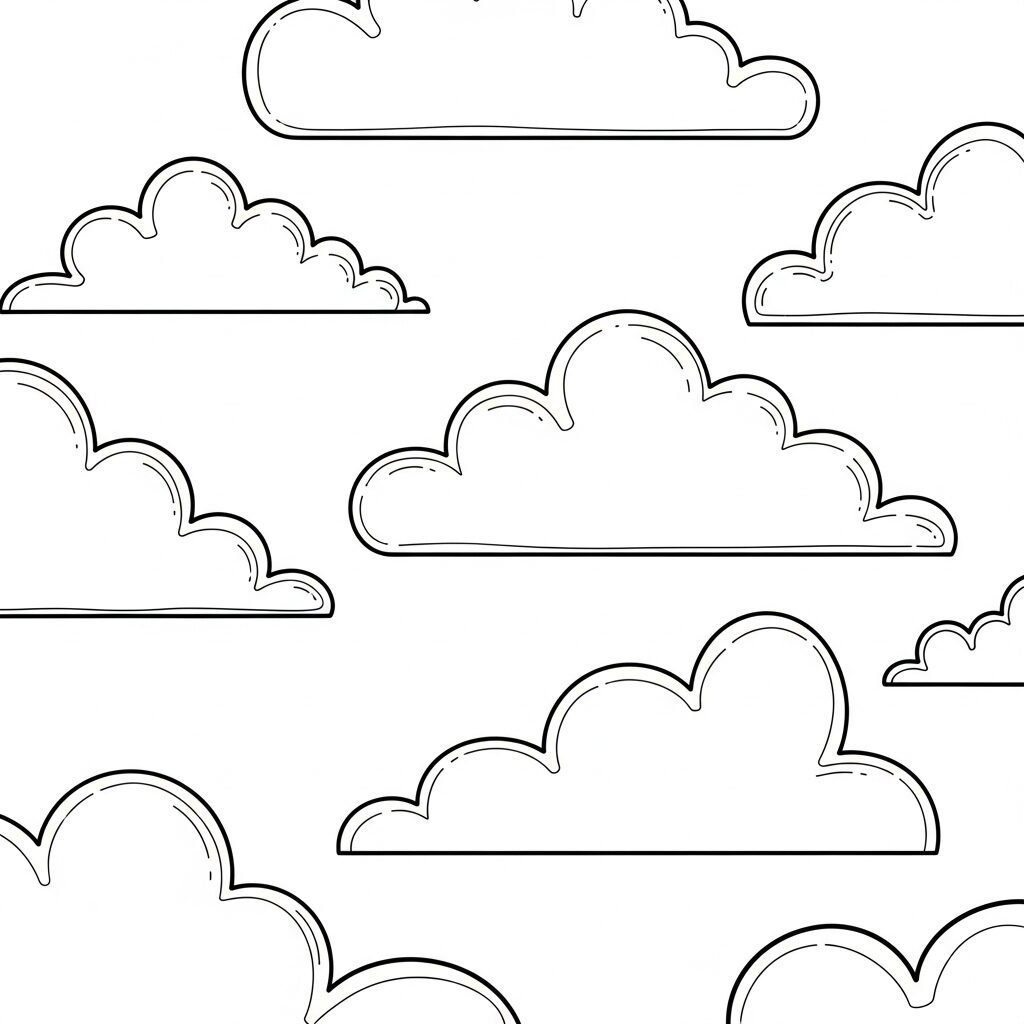
Clouds are some of the most forgiving shapes to doodle. Use series of connected semicircles of varying sizes to create fluffy, rounded shapes. You can leave them as outlines or add vertical lines underneath to represent rain. These clouds are excellent for filling top margins and adding a sense of atmosphere to your sketches.
10. Cozy Teacup Illustrations

Sketch a simple U-shape and add a flat top to create a basic teacup. Add a small handle on the side and a few wavy lines rising from the top to represent steam. You can decorate the surface of the cup with polka dots or floral patterns. This doodle evokes a sense of comfort and is perfect for casual journaling or personal stationery.
11. Botanical Border Accents
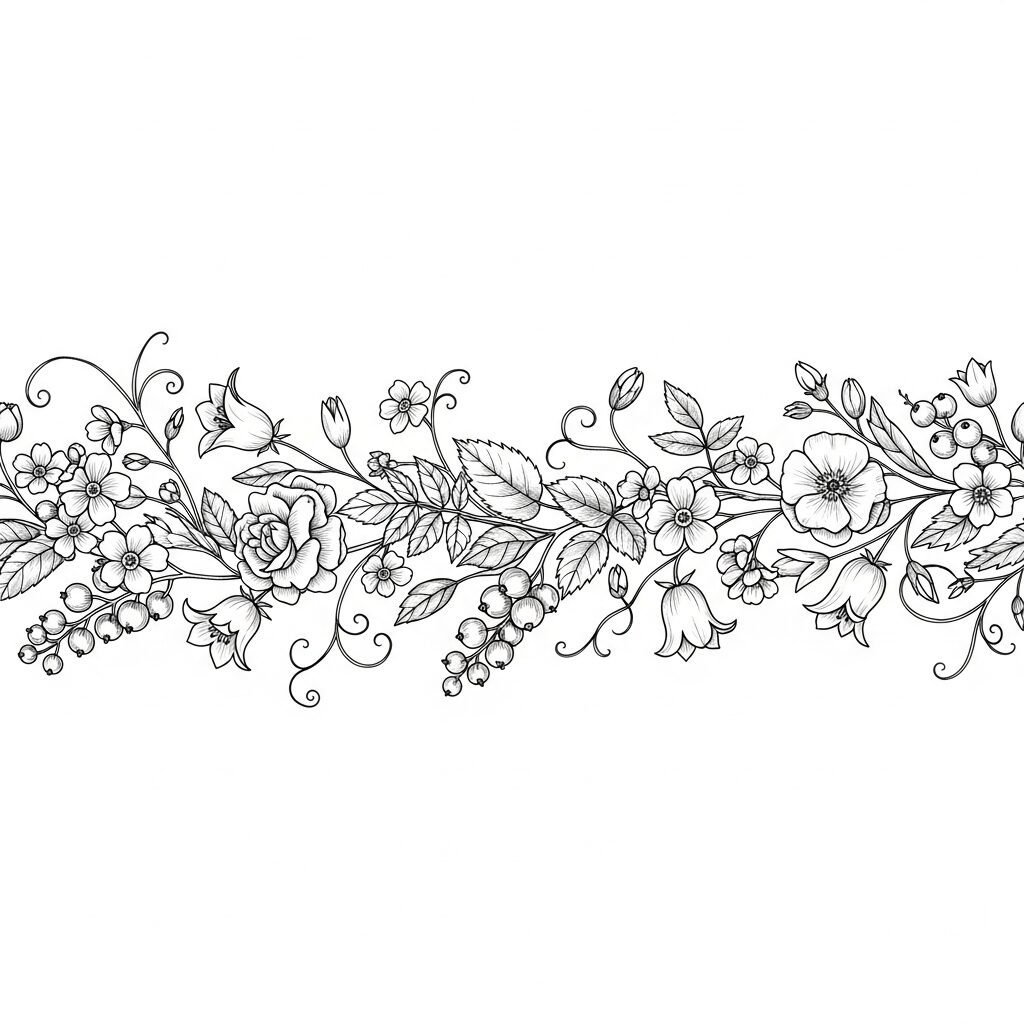
Create a professional frame for your work by drawing botanical accents along the edges. Use simple stems with small berries or tiny, five-petaled flowers. By keeping the shapes uniform and spacing them evenly, you create a sophisticated border that enhances the overall presentation of your page. This technique is widely used in professional calligraphy and bullet journaling.
Conclusion
Mastering the art of doodling is about embracing the process rather than worrying about the final product. By utilizing these eleven ideas, you can transform a simple pen and paper into a playground for your imagination. Whether you prefer the structure of geometric grids or the fluidity of botanical vines, these effortless techniques provide a foundation for a rewarding creative practice. Start small, remain consistent, and watch as your simple sketches evolve into intricate works of art.